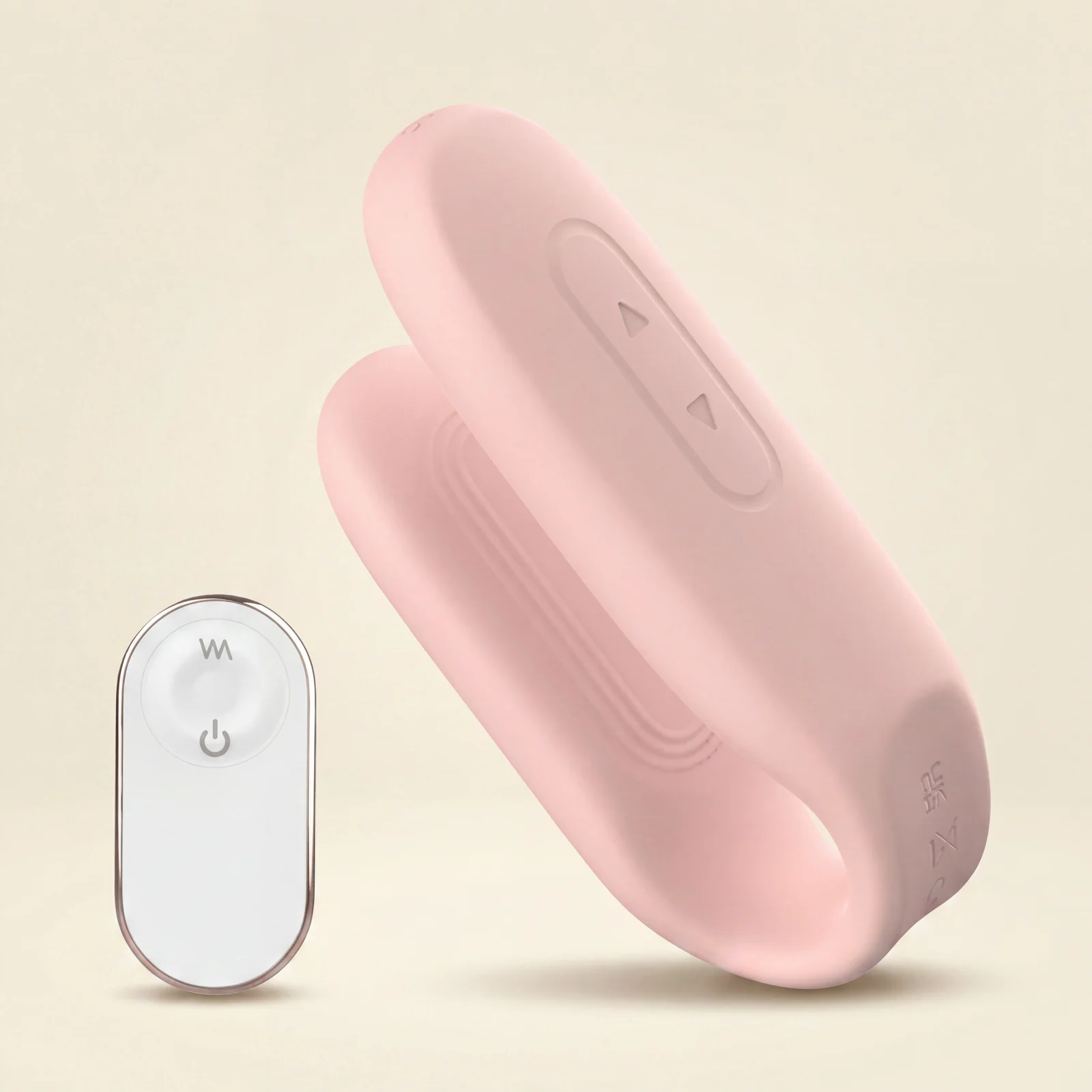
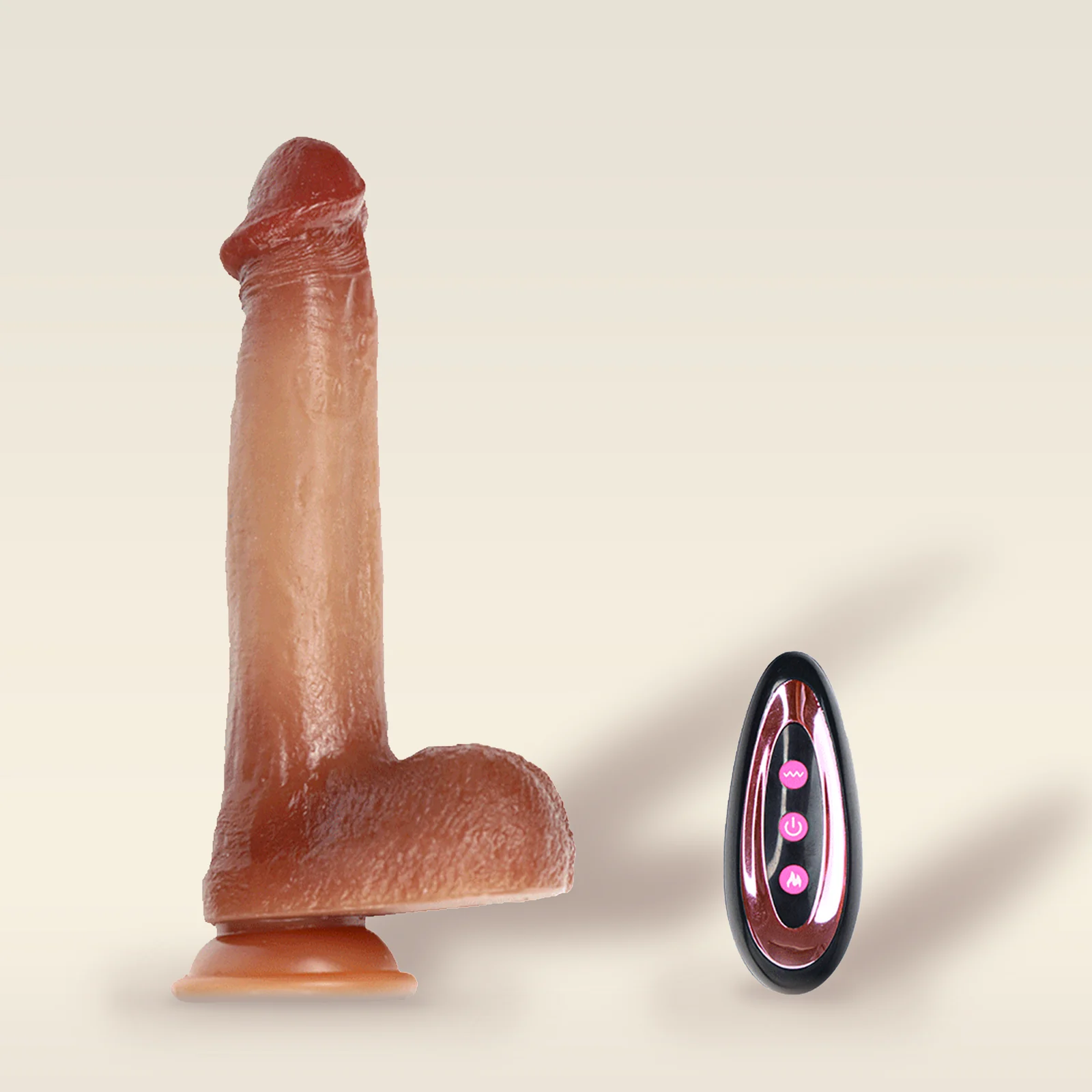
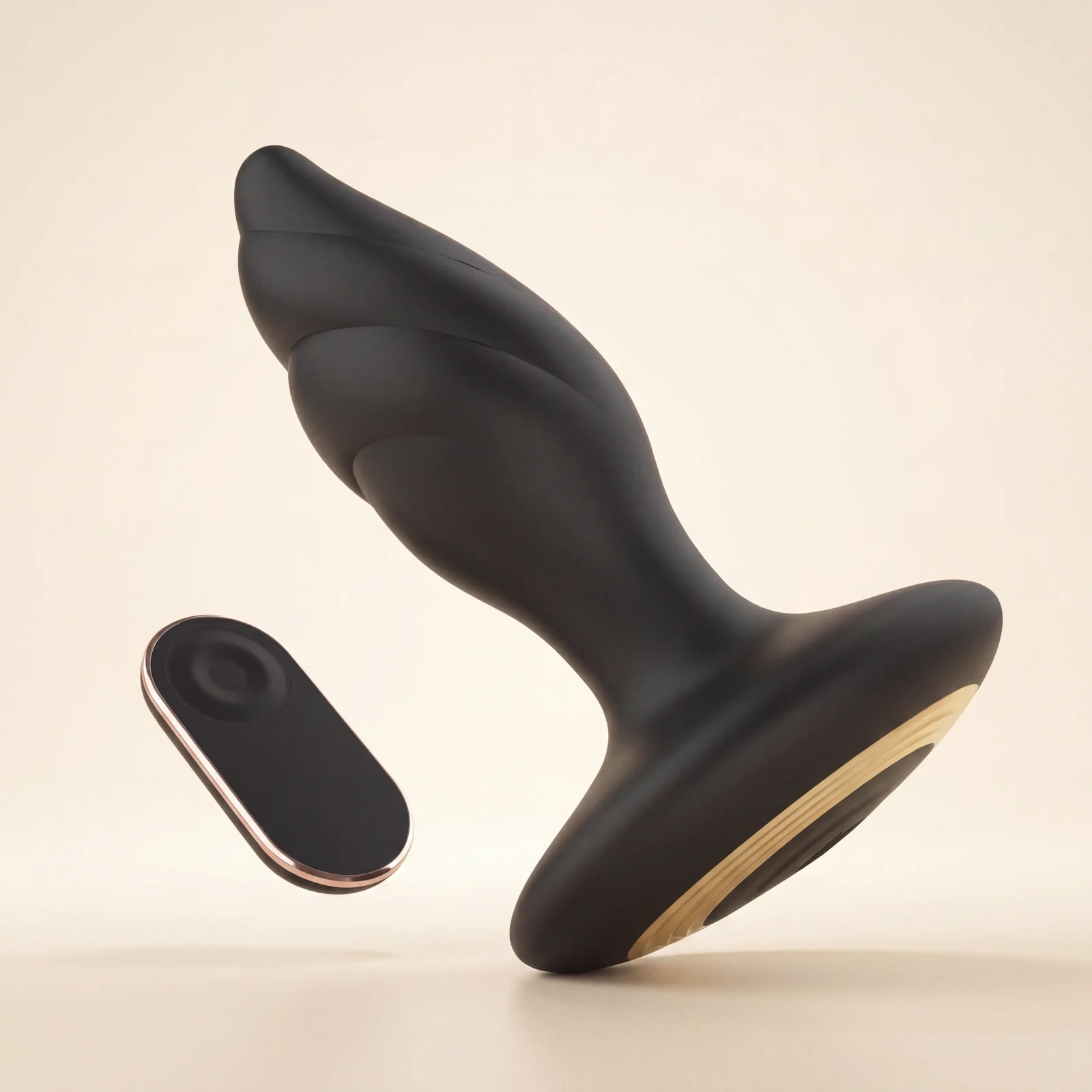
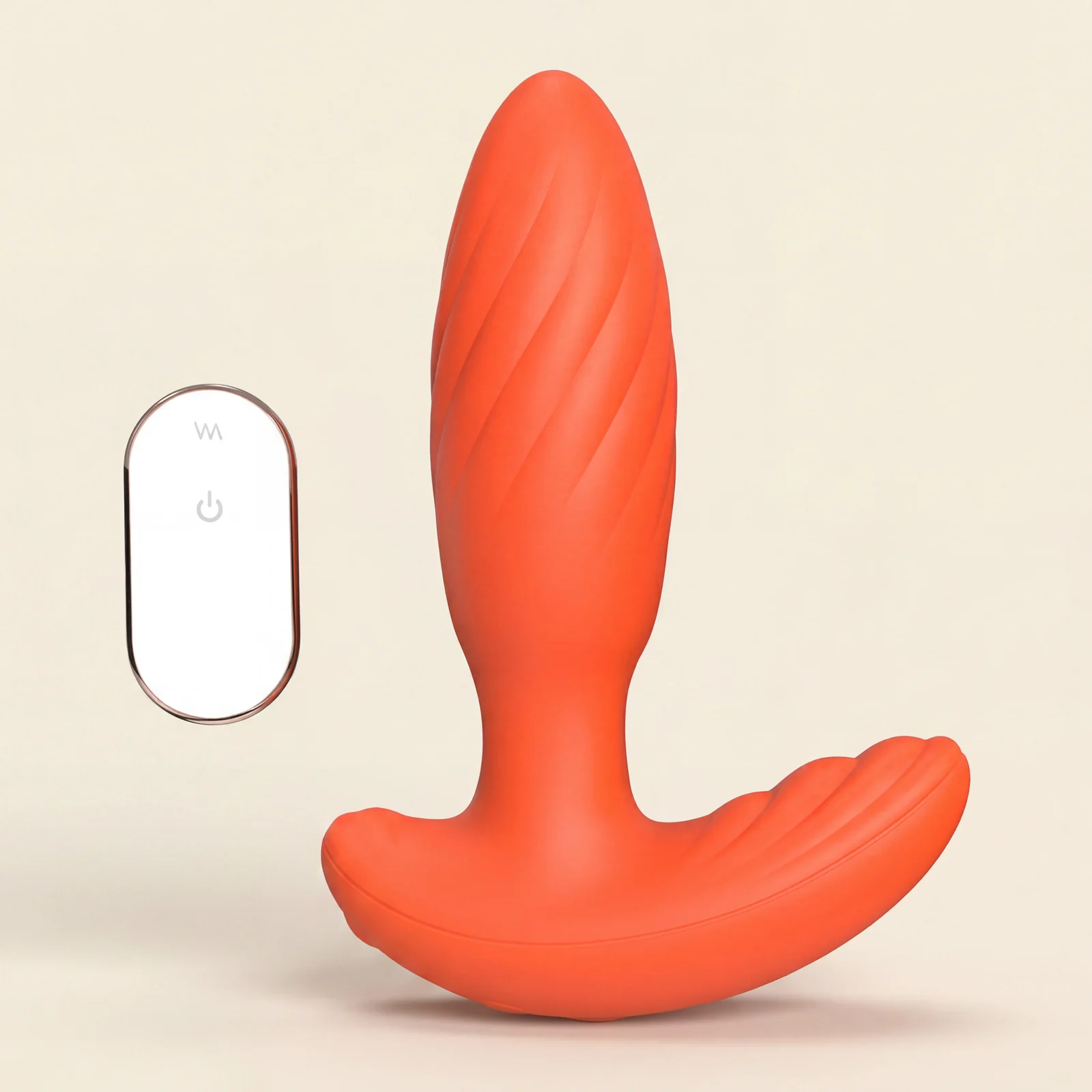
Adults 21+ only. Cleaning and storing a vibrator should not feel like a confession, a science project, or one more private thing you have to manage perfectly.
The better routine is smaller than that. You clean what needs cleaning. You let it dry. You keep the charger, pouch, and product in one calm place. You check the product page or care insert when a material, battery, or water-resistance detail is specific. Then you close the drawer and let the choice stay ordinary.
That is the thesis: vibrator care is not about making intimate wellness more serious. It is about removing friction so a private routine can be easy to return to.
Start With The Care Label, Not The Sink
The most common mistake is treating every product like it can be handled the same way. It cannot. A simple external silicone piece, a curved rechargeable product, a product with a charging port, and a product with separate removable parts may all need slightly different care.
External guides such as Healthline’s overview on cleaning sex toys and Bedsider’s sex-toy cleaning guide point readers toward the same practical idea: material, motor, and manufacturer guidance matter. For Lumisyla, the softer version of that rule is this: do not let a sink routine replace product-specific instructions.
If a product page says something specific about care, charging, water resistance, removable parts, or drying, that page is the source of truth. If the page does not answer your question, treat the product gently and ask before assuming it can be soaked, scrubbed, boiled, or cleaned with harsh products.
Lumisyla already frames this through The Sink Is Not a Water Rating. Water-friendly language and actual water-resistance limits are not the same thing. Cleaning is easier when the product is respected as a designed object, not treated like every other item on the counter.
A Calm Cleaning Routine Can Be Very Short
A care routine does not need a tray of supplies. For many nonporous external products, the everyday logic is simple: clean the surface according to the product’s instructions, avoid aggressive cleaners unless they are explicitly approved, rinse or wipe as appropriate, and let everything dry fully before storage.
The important part is not making the routine elaborate. The important part is making it repeatable. A product that takes too much work to clean, charge, dry, or put away can quietly become a product you avoid. Then the problem is not confidence. It is friction.
Try a small sequence that you can actually remember:
Check whether the product should be wiped, rinsed, or kept away from soaking.
Clean before storage, especially if it has been handled.
Let the surface dry before it goes into a pouch, drawer, or travel case.
Keep the charger away from damp surfaces.
Store it somewhere private, clean, and easy to return to.
That is enough for the emotional point of the routine. It says: this belongs in my life, and it does not need to take over my evening.
Drying Is Part Of Privacy
People often think of privacy as packaging, sound, or a discreet drawer. Drying belongs in the same conversation.
If a product is rushed back into storage while still damp, the routine starts to feel messy. If it has to sit somewhere visible for too long, privacy feels less protected. If the charger gets mixed into the same damp place, the whole setup becomes annoying instead of calm.
The solution is not complicated. Give drying a quiet place in the routine. A clean towel, a private shelf, or a short pause before pouching can make the difference between care that feels manageable and care that feels like clutter.
This is also where small-space storage matters. In a shared home, studio apartment, dorm-style room, or travel setup, a routine that needs too much visible counter space may not survive. Build the care plan around the room you actually have.
Keep Charging From Becoming The Weird Part
Charging is where many private routines lose their softness. A product feels easy until the cable is missing, the charger looks too obvious, or the product has to sit out longer than you want.
Do not make charging a separate mystery. Keep the charger with the product or in one known nearby place. Charge only in a dry setup. Avoid stuffing a damp product and charging cable together. If the charger has a specific connector, keep it labeled or stored in the same pouch so the routine does not become a search mission.
Lumisyla’s older Journal piece When the Charger Makes It Weird names the emotional problem clearly: the accessory can make the product feel less private than the product itself. A good care routine includes the charger because the charger is part of the real ownership experience.
If you are still choosing your first product, this is a useful filter. Before comparing every feature, ask whether the charging, cleaning, and storage pattern makes sense for your actual room. The low-maintenance first vibrator guide is a calmer place to start if you want fewer moving parts.
Storage Should Make Returning Easier
Storage is not hiding. Storage is how the routine stays available without becoming visual noise.
A good storage setup has three jobs. It keeps the product clean enough to feel easy to pick up again. It keeps privacy intact. It keeps the product, pouch, charger, and any care note from scattering across the room.
That can look like a soft pouch in a drawer, a small private box, a travel case, or a dedicated shelf space that does not invite questions. It does not need to look like a lifestyle photo. It only needs to work on an ordinary night.
If shared-home privacy is the main concern, start with Quiet Picks. If compact packing or drawer space is the real constraint, the Travel & Small Spaces category gives you a more practical comparison frame. The point is not to choose the smallest object automatically. The point is to choose the object whose care pattern you can actually live with.
Do Not Let Care Become A Confidence Test
There is a strange pressure around intimate-wellness products: once you buy one, you are supposed to become instantly confident about every part of owning it. Choosing it. Cleaning it. Charging it. Storing it. Talking about it. Not talking about it.
You do not have to be that polished.
Care can be private and still be thoughtful. You can read instructions slowly. You can pick the simpler product. You can choose a pouch before a product. You can decide that a product is not right for your current room because it would make storage stressful. None of that is a failure. It is the routine telling the truth.
That same emotional standard runs through Lumisyla’s private self-care routine approach. The product is not the proof. The way it fits into your life is the point.
A Simple Pre-Storage Checklist
Before putting a product away, use questions that are ordinary enough to repeat:
Did I follow the care guidance for this specific product?
Is the surface clean and fully dry before storage?
Is the charger dry, separate, and easy to find?
Is the pouch or case clean enough that I will want to use it again?
Is the product stored somewhere private without being hard to reach?
Do I know where to check product details if I am unsure?
That checklist is not meant to make you careful in a fearful way. It is meant to make the next return easier.
Where Product Choice Fits In
Product guidance should support the care routine, not interrupt it.
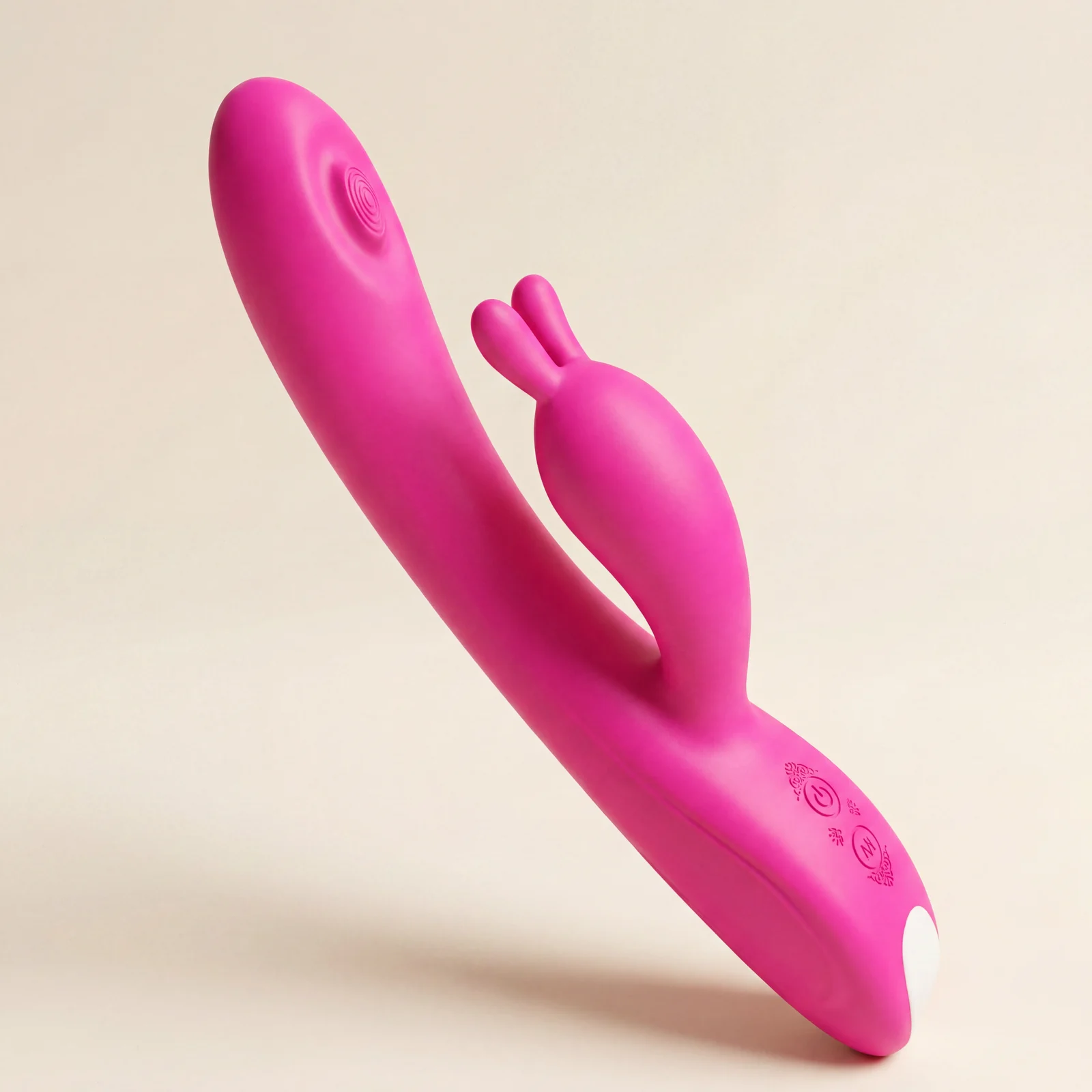
If this is your first step, First Steps is the gentlest place to compare. If you want a small, focused product whose page is easy to understand, LUMI Heart is a useful PDP to read for size, care, storage, and control details. If you are considering a curved format and want to think through fit before features, LUMI Soft Pulse gives you a more focused product page to evaluate slowly.
Read the PDP before you decide. Product availability, materials, charging details, care notes, and current specs belong there. The Journal can help you ask better questions, but the product page should carry the product truth.
The Quiet Ending
A good care routine ends quietly. The product is clean. The surface is dry. The charger has a place. The pouch is not lost. The drawer closes. Nothing about the routine asks you to explain yourself.
That is the kind of care Lumisyla is interested in: practical enough to repeat, private enough to feel safe, and gentle enough that it does not turn personal choice into another performance.
FAQ
How often should I clean a vibrator?
For adults 21+, clean it according to the product’s care guidance before storing it and whenever it has been handled in a way that makes cleaning appropriate. Keep the routine simple, but do not skip the product-specific instructions.
Can I wash every vibrator under running water?
No. Water resistance, charging ports, seams, and motor design vary. Check the product page or care insert first. If you are unsure, avoid soaking and treat the product gently until you have confirmed the right care path.
What is the best way to store a vibrator privately?
Use a clean, dry pouch, case, drawer, or private box that keeps the product easy to return to without making it visually exposed. Keep chargers and care notes nearby so the routine stays low-maintenance.
Should I choose a product based on cleaning and storage?
Yes, especially for a first purchase or shared-home routine. A product that fits your privacy, drying, charging, and storage reality is usually easier to return to than one chosen only for a long feature list.
Adults 21+ only. A vibrator self-care routine should not ask you to become louder, braver, more optimized, or more impressive before you are allowed to choose it.
It can be quieter than that. It can be a soft routine you return to because it fits your room, your drawer, your energy, and your actual private time. It can be something you understand without turning your evening into research. It can be one object, one pouch, one charging habit, one clear boundary, and no performance attached.
The broader wellness conversation is already tired of making every personal habit feel like a scoreboard. That is useful only if it changes the way we shop. For Lumisyla, the point is not to turn intimate wellness into another achievement. The point is to make a private choice feel easier to hold.
The 2026 Wellness Shift Is Away From Proving
That shift is showing up beyond intimate wellness. The Global Wellness Summit’s 2026 trend report frames the year around moving past optimization-at-all-costs and toward practices that feel more emotionally restorative, embodied, and repeatable. For Lumisyla, that matters because a private routine should not borrow the harshest parts of wellness culture. It should not make rest feel like a metric, confidence feel like a performance, or pleasure feel like something you have to justify.
A calmer intimate-wellness choice starts with the life around it: how much privacy you need, how simple storage can be, whether a first step feels easy to pause, and whether the object supports your evening instead of taking over the room. If the broader conversation is learning to trust smaller, steadier rituals, a vibrator self-care routine can follow the same rule: choose what helps you return to yourself without turning that return into another assignment.
Self-Care Does Not Need Another Score
Self-care can become strangely demanding. A morning routine needs the right order. A night routine needs the right mood. A product needs to look beautiful enough, sound quiet enough, store neatly enough, and somehow make you feel like the kind of person who has everything handled.
That is too much to ask from a private routine.
If intimate wellness is going to belong inside self-care, it has to remove pressure instead of adding it. It should not make you prove confidence. It should not make you perform empowerment for anyone else. It should not turn a quiet choice into a personality test.
Start with a smaller standard: does this choice make it easier to feel at home with yourself when nobody is watching?
That is the argument behind Lumisyla’s private self-care routine approach. The routine is not there to impress you. It is there to give a little space back.
What A Low-Pressure Routine Actually Protects
A low-pressure self-care routine protects the part of you that does not want to explain everything.
It protects privacy in a shared home. It protects the right to start slowly. It protects the option to close the drawer and come back later. It protects your ability to say, “not tonight,” without turning that into failure.
That matters because the first barrier is often not the product category. It is the emotional friction around the product. The tab you keep open. The package question. The sound question. The worry that you are choosing too much or not enough. The feeling that a private purchase has to announce a whole new version of you.
It does not.
If you are choosing your first intimate-wellness piece, the better filter is not “what is the most advanced option?” It is closer to the question in Lumisyla’s low-maintenance first vibrator guide: which choice makes your private life simpler, not louder?
Start With The Moment, Not The Product
A product-first routine often sounds practical, but it can become overwhelming quickly. Shape, settings, size, charging, materials, care, storage, sound, shipping, and returns all arrive at once.
A moment-first routine is calmer. Ask what kind of private moment you are actually protecting.
A quiet evening after everyone else is asleep.
A small apartment where storage matters.
A first purchase that should not feel dramatic.
A solo date at home that belongs to you.
A shared-home routine where sound and charging need to stay simple.
Once the moment is clear, the product decision gets less theatrical. You are no longer asking which option proves something. You are asking which option fits the life you already have.
Features matter. But they matter after the routine has room to exist.
A long feature list cannot fix a product that feels too stressful to keep, charge, clean, or store. A dramatic product page cannot replace the basic relief of knowing where something will go when you are done with it. A beautiful object still has to live in a real drawer.
For a low-pressure vibrator self-care routine, privacy is not only about sound. It includes packaging, checkout, the way the product looks in a room, how obvious the charger feels, how easy it is to store, and whether the page gives you enough information before purchase.
That is why “quiet” and “discreet” are not the same decision. If you are choosing between the two, read Quiet vs Discreet first. Then move into Quiet Picks if shared-home privacy is the main thing you want to protect.
Make Storage Part Of The Routine
Storage is not an afterthought. It is part of whether the routine survives.
If the product has nowhere calm to live, every return to it has a little friction. You notice the charger. You move it twice. You wonder whether the pouch is enough. You put it somewhere inconvenient, then forget the routine was supposed to feel easy.
A better routine has a home before it has a mood. One pouch. One clean dry place. One charging habit if charging applies. One rule for what gets kept together. Nothing elaborate.
For small spaces, the question is not whether you can hide everything perfectly. It is whether the routine can stay private without becoming another thing to manage. Lumisyla’s Travel & Small Spaces path is useful when storage, charging, and discreet packing are part of the decision.
Let Product Fit Serve The Mood, Not Interrupt It
The product should support the mood you want, not interrupt it with uncertainty.
If you want a softer first step, First Steps is the calmer category to start with. If you want something focused and easy to understand, a product like LUMI Heart may help you compare size, controls, storage, and shared-pacing questions without jumping straight into a larger decision. If you are curious about a curved format but still want a beginner-aware page, LUMI Soft Pulse is a better product page to read slowly, with the PDP as the source of truth for current details.
Notice the order. The product is not the identity. It is the support. The question is not “what does this say about me?” The question is “will this make my private routine easier to return to?”
That is a quieter kind of confidence. It does not need to be posted, explained, or turned into a lifestyle.
The Pre-Cart Pause
Before checkout, pause for the ordinary questions. They are not small. They are the routine.
Do I understand where this will live?
Do I know how it charges, dries, and stores?
Does the lowest setting or softest path sound right for the way I want to begin?
Have I checked delivery, packaging, and return details?
Does this choice make me feel more at home with myself, or more pressured?
If the answer is pressure, wait. That is not a lack of confidence. That is a boundary doing its job.
If the answer is calm, keep the routine simple. Read the product page. Read Shipping & Returns if eligibility matters. Choose the product that fits the room, the drawer, the energy, and the version of yourself that does not need to prove anything.
FAQ
Can a vibrator be part of a self-care routine?
For adults 21+, yes. It can be part of private self-care when it is chosen with privacy, storage, easy care, and emotional comfort in mind. It does not need to become a public statement or a complicated routine.
What makes the routine low pressure?
Low pressure means the product is easy to understand, easy to keep private, easy to store, and easy to pause. It also means the choice does not depend on proving confidence, intensity, or a new identity.
Should I start with a product or a category?
Start with the routine. If you want a softer first step, start with First Steps. If sound and shared-home privacy matter most, start with Quiet Picks. Then use product pages for the final details.
What should I check before buying?
Check size, controls, charging, care, storage, packaging, and return eligibility. Also check whether the choice feels calm enough to return to. A private routine should feel usable, not like another thing to manage.
Adults 21+ only. A first intimate-wellness purchase should not feel like a new project to manage. If the product asks for too much explanation, too much charging discipline, too much cleaning anxiety, too much storage planning, or too much confidence before you even begin, it may not be the right first choice.
The better filter is simple: choose the option that makes your private routine easier to keep. Not the one with the loudest claim, the longest feature list, or the most dramatic product story. The one that fits quietly into the way you actually live.
Low-maintenance is not the same as boring
When people search for a first vibrator guide, the results often push them toward categories, shapes, motor types, or long comparison grids. That information can be useful. But for many adults, the first barrier is not knowledge. It is emotional friction.
You may not want a drawer full of accessories. You may not want a product that needs a full decision tree every time you look at it. You may not want something that feels visually loud, difficult to store, or too intense for the kind of private time you are actually trying to protect.
That does not make you hesitant. It means you are choosing around your real life. A low-maintenance intimate-wellness piece can still be premium, thoughtful, and beautifully designed. The difference is that it does not ask you to perform confidence before you feel it.
Start with the life around the product
Before comparing shapes, begin with the conditions around the purchase. Where will it arrive? Where will it live? How private does the packaging need to feel? Do you want something compact enough for a small apartment, a shared bathroom, a suitcase, or a nightstand drawer that still has to look ordinary?
These questions are not side details. They decide whether a product becomes part of a soft routine or becomes another thing you avoid because it feels like too much. Lumisyla’s private checkout and discreet delivery guide and calm travel packing guide exist for the same reason: the practical edge of privacy matters.
If a product feels right only in a perfect version of your life, it may not be your easiest first choice. A better first choice works on an ordinary week, when you are tired, when your space is not perfectly arranged, and when you want your private care to feel calm instead of ceremonial.
A simple vibrator for beginners should reduce five kinds of friction
A simple first product is not defined by having fewer features. It is defined by fewer moments of hesitation. The right features depend on the person, but the friction usually falls into five areas.
1. Decision friction
If the product has many modes, controls, attachments, or intensity levels, ask whether that helps you or simply gives you more to manage. Some people like options. Others feel better with a clear, easy first step.
For a first piece, simple controls can be more emotionally useful than an impressive menu of features. You are not trying to win a comparison chart. You are trying to choose something you can actually reach for without negotiating with yourself.
2. Sound friction
Quietness is not just a technical preference. For many adults, it is part of feeling private. If sound is the thing that would keep you tense, browse the Quiet Picks category before you chase stronger claims or more dramatic shapes.
Do not treat quiet as a luxury add-on. If quietness is what lets you relax into your own space, it belongs near the top of the buying filter.
3. Storage friction
Storage is where many purchases stop feeling easy. A product can look beautiful online and still feel awkward if you do not know where to put it, how to keep the charger with it, or how to make the routine feel ordinary.
Compact pieces and clean storage habits can make the product feel more like private care and less like a secret problem. For smaller spaces, the Travel & Small Spaces category is a practical place to start.
4. Care friction
Care should be clear, not intimidating. Follow the product’s own instructions for cleaning, charging, storage, and material-specific handling. Avoid treating any single phrase such as waterproof, splash-safe, or body-safe as a promise unless the product page and documentation support it clearly.
A low-maintenance choice is one where you can understand the care routine before you buy. If the maintenance feels unclear, pause. Clarity is part of comfort.
5. Emotional friction
The first purchase can carry more emotional weight than the product deserves. You might wonder whether it is too much, too obvious, too bold, too beginner, or not enough. A calm first choice does not need to answer your whole identity. It only needs to support one private decision well.
This is why the private first-choice guide frames the purchase as something you are allowed to make quietly. You do not owe the decision a big announcement.
What to choose if you want the easiest first step
There is no single product type that is automatically right for every first-time shopper. A better approach is to match the product style to the kind of ease you want most.
If you want the decision to feel gentle and familiar, start with the First Steps category. Look for softer shapes, clear controls, and a size that does not make the product feel like a statement.
If privacy is the make-or-break factor, prioritize quietness, compact storage, and discreet delivery before comparing more specialized product features. A piece such as Soft Pulse can sit in the conversation as a soft, approachable option, while a small design like Heart may make sense when compactness and visual gentleness matter. Product pages should still control the final details, materials, dimensions, and care instructions.
If you are comparing product types and genuinely want a broader map, use the vibrator types guide. But do not let a taxonomy replace your own comfort. A product category can organize the shelf. It cannot decide what will feel easy in your room.
The best beginner choice may be the one you can ignore until you want it
There is a quiet kind of confidence in choosing something that does not demand attention. It can be stored neatly. It can be charged without drama. It can be cleaned according to straightforward instructions. It does not make your private routine feel like a personality test.
That kind of low-maintenance design matters because private care often happens in the margins of real life. It happens after work, before sleep, while packing, while reorganizing a drawer, or during a weekend when you finally have a little space to yourself. A product that only feels usable under ideal conditions may be less supportive than one that simply stays ready and easy.
This is also where emotional value and product guidance should meet. The emotional thesis is not “buy more.” It is “choose less pressure.” The product has a role only if it protects that feeling.
A low-maintenance buying checklist
Can I understand the controls without studying them?
Does the size fit my actual storage situation?
Would the sound level support the privacy I need?
Are the cleaning, charging, and storage instructions clear?
Does the product feel like something I can choose for myself without pressure?
Am I choosing this because it fits my routine, not because the feature list sounds impressive?
If several products look appealing, use this checklist before comparing price or novelty. The point is not to make the most optimized choice. The point is to make a choice that still feels like yours tomorrow.
What not to let into the decision
Do not let urgency make the decision for you. Do not let a dramatic product promise replace your own boundary. Do not let a long feature list convince you that more is automatically better. And do not let shame turn a practical privacy need into something heavier than it is.
For adults 21+, an intimate-wellness product can be chosen honestly without becoming graphic, public, or overexplained. It can be an ordinary private object that supports an ordinary private routine. That is enough.
The quiet rule
Here is the rule worth keeping: your first intimate-wellness piece should make your life simpler, not louder.
If it lowers the amount of thinking, hiding, explaining, charging anxiety, cleaning uncertainty, and emotional pressure around the purchase, it is doing useful work. If it adds more pressure, it may be a beautiful product, but it may not be your first product.
Choose the piece that lets the decision stay calm. Choose the one that can live quietly in your space. Choose the one that feels easy to return to, not because someone else says it is the best, but because it supports the private routine you are actually building.
Self-care is supposed to give something back to you.
Not another score. Not another shelf to maintain. Not another way to wonder whether you are doing your own life correctly.
That is why a private self-care routine deserves a quieter standard. It should be easy to begin, easy to pause, easy to care for, and easy to return to without feeling watched by the product, the page, or the version of yourself you think you are supposed to become.
For adults 21+, intimate wellness belongs in that conversation. Not as a loud declaration. Not as a performance of confidence. As one private part of personal care that can be chosen with clarity, privacy, and calm.
The broader wellness conversation is moving in this direction. Current 2026 trend coverage is pushing back against over-optimized wellness and making more room for sensory, emotional, human routines. Personal-care coverage is also treating intimate wellness as closer to body care, comfort, and everyday ritual than a separate, shame-heavy category.
That shift is useful only if it makes the actual decision easier.
For Lumisyla, the point is not to make intimate wellness louder. The point is to make it feel more allowed.
Self-Care Is Not Another Thing To Perform
The older version of self-care often sounded like more.
More steps. More products. More tracking. More proof that your morning, evening, body, home, and mood were being managed correctly.
The calmer version asks a better question: what can you return to without pressure?
That question matters for intimate wellness because this category is not only about a product feature. It is also about the conditions around the product.
Will the package feel discreet?
Will the lowest setting feel like a real beginning?
Will the product page explain care and storage without making you decode a dozen claims?
Will the charging cable be easy to keep private?
Will the product still feel like something you chose tomorrow, not something the page pushed you into tonight?
Those are not side questions. They are the routine.
Privacy is not a small note at the bottom of the page. It is part of the experience.
For one person, privacy means plain outer packaging and a shipping page that answers real questions before checkout. For someone in a shared home, it may mean sound, storage, charging, drying, and whether the product can return to a drawer without making the room feel complicated.
For someone buying a first intimate-wellness piece, privacy can also be emotional. The private part is not only “will someone see this?” It is “can I think about this without feeling judged by the website itself?”
A calm product page should not rush you into confidence. It should give you enough language to make the decision ordinary.
That is why discreet delivery, clear support pages, and quiet product categories matter. They do not hide what the product is. They make the practical parts easier to understand.
It begins when you name what would make the choice feel less tense. Maybe that means something compact. Maybe it means simple controls. Maybe it means a shape that is easy to understand. Maybe it means a curved format, but only if the product page makes fit, care, storage, and pacing questions clear.
Before comparing products, name the routine you want to protect:
I want a first choice that does not feel like too much.
I want something private in a shared home.
I want simple controls and a clear way to stop.
I want focused contact without a complicated shape.
I want to compare curved pieces carefully before deciding.
I want a small-space or travel-friendly routine.
Each answer points to a different shopping path. None of them is more mature than the others.
If you want a compact, focused browsing path, use Focused Touch.
The right routine is not the most impressive one. It is the one you can return to without negotiating with yourself every time.
Choose The Amount Of Presence You Want
One of the most useful intimate-wellness questions is not “what is the strongest option?”
It is “how much presence do I want this object to have?”
Presence can mean size. It can mean shape. It can mean sound, weight, color, modes, charging style, or the way the product looks in a drawer. A compact focused piece may feel calmer because it has less physical presence. A curved or fuller piece may feel right because it matches a more deliberate routine. A shared-use product may need more conversation and more clarity before it feels relaxed.
The mistake is treating every product type as a ladder.
Small does not mean beginner-only. Curved does not mean advanced by default. More modes do not automatically mean more useful. A quieter product is not less serious. A simpler product is not less adult.
Read the page for fit, control, storage, and care before reading it for excitement.
If a product gives you a clear way to pause, stop, clean, charge, and put it away, that is not a minor feature. That is what makes the routine feel like yours.
Discreet does not mean pretending the product is something else.
That distinction matters.
Honest intimate-wellness language should make the adult nature of the category clear enough for a reader, a search engine, and a platform reviewer to understand. But honest does not have to mean graphic. A page can be direct about intimate wellness while still being calm, premium, and non-sensational.
For the person buying, privacy is a feature because it reduces friction. It lets the choice enter real life without demanding a performance.
Look for the ordinary answers:
How is the product packaged?
What does the support page say?
Does the product page explain material and care without overclaiming?
Is the category language clear?
Does the page avoid fake urgency, fake proof, or exaggerated results?
The best private routine is not built on secrecy. It is built on enough clarity that the decision can stay small.
Care is where a product becomes part of a routine or quietly becomes something you avoid.
The care step should be plain. Clean according to product instructions. Let the product dry fully before storage. Keep charging points dry where the product instructions require it. Store the product somewhere clean, private, and easy to return to.
Do not assume every product has the same water-care boundary. Water-resistant language and waterproof language are not interchangeable. If the product page or instruction sheet gives a specific boundary, follow that boundary.
The goal is not to make intimate wellness feel clinical. The goal is to make care boring enough that it actually happens.
If you still have questions before checkout, use FAQ.
How To Choose Without Making It A Big Moment
You do not have to make the purchase into a declaration.
Sometimes the calmest choice is to narrow the field and stop there. Choose one category. Read two or three product pages. Check the same five things each time:
Does the scale feel manageable?
Do the controls look understandable?
Is the care routine clear?
Can you store and charge it privately?
Does the product still feel like something you would choose tomorrow?
If the answer is no, that is useful. It does not mean the product is bad. It means it may not belong in this routine.
If the answer is yes, you do not need to keep proving the choice by opening ten more tabs.
That is the emotional value of a good private self-care routine: it gives you permission to stop comparing.
Am I choosing this because it fits my routine, not because the page made me feel behind?
Do I understand the product type and size?
Do I know where it will live?
Do I know how it charges?
Do I know how to clean and dry it according to instructions?
Do I understand the shipping and return boundaries?
Does this choice feel easy enough to return to?
If one answer is unclear, pause. Use the FAQ, Lab, category pages, or support information before buying. A slower choice is still a choice.
The point of intimate wellness is not to become a different person at checkout. It is to make one private part of life feel more considered, more comfortable, and more yours.
FAQ
Is intimate wellness really part of self-care?
For many adults, yes. It can sit beside privacy, body awareness, rest, relationship communication, and personal routine. It should not be framed as a cure, treatment, or medical promise. For Lumisyla, it is private personal wellness for adults 21+, with honest product language and calm decision support.
What if this is my first intimate-wellness purchase?
Start with the conditions around the product, not the loudest feature. Look for scale, controls, care, storage, delivery privacy, and whether the product page gives you enough room to decide without pressure. Lumisyla First Steps is built for that kind of browsing.
Should I choose a small product first?
Small can be a good first choice, but it is not the only calm choice. Some people prefer compact focused pieces. Others prefer a more deliberate format after reading fit and care details. The better question is whether the product fits your room, routine, storage plan, and comfort level.
How do I keep the routine private in a shared home?
Plan the ordinary details before checkout: where the product rests, where it dries, where the charger lives, and what the package experience will be. Quiet Picks, Travel & Small Spaces, FAQ, and Shipping & Returns are the best starting points.
Is discreet wording hiding what the products are?
No. Lumisyla should be honest that this is an intimate-wellness category for adults 21+. Discreet language means calm, non-graphic, privacy-aware wording. It does not mean disguising adult products as something else.
For adults 21+.
Yes, you can travel with a vibrator.
That answer is simpler than the feeling around it. A private object can suddenly feel very public when it is inside a suitcase, moving through airport security, sitting in a shared hotel bathroom, or waiting in a carry-on that might be opened in front of someone else.
The practical rules are not usually the hardest part. The harder part is the small emotional math: will it turn on by accident, will the charger make it obvious, will a security check become awkward, will there be a clean place to store it, and will the whole thing still feel like your private routine once you are away from home?
Travel should not turn private care into a performance.
This guide keeps the answer calm. It covers the basic TSA and battery points, then moves into the part most packing guides skip: how to choose, pack, store, clean, and bring an intimate-wellness piece home without making the trip feel more complicated than it needs to be.
The Calm Answer: Yes, With Common Sense
The TSA’s public What Can I Bring page for adult toys currently lists them as allowed in both carry-on and checked bags. The same page also notes that the final decision at the checkpoint rests with the TSA officer.
That means the baseline is not “hide everything and hope.” The baseline is: pack it like an ordinary personal item, make sure it cannot activate by accident, keep related liquids within the carry-on liquid rules, and avoid creating a messy or confusing bag.
For most travelers, the goal is not to make the object invisible. It is to make the packing clean, calm, and easy to inspect if inspection happens.
That distinction matters. Trying to over-disguise an adult-wellness item can make packing feel more stressful. A small pouch, a clean storage sleeve, a separated charger, and a switched-off device are usually more useful than pretending the product is something it is not.
2026 Update: Use A Checklist Before You Pack
Travel rules are not the only thing to check. Before a trip, it helps to run through the quieter parts of the routine: sound, storage, charging, drying, and whether the product still feels easy to return to when the suitcase is unpacked.
Lumisyla now keeps a separate travel and small-space vibrator checklist for that decision. Use it when you are choosing between a compact travel piece, a quiet shared-room choice, or a product that may be better left at home until the care and storage plan feels simple.
At home, privacy has a rhythm. You know where the product lives. You know where the charger is. You know whether the wall is thin, whether the drawer closes, and whether the packaging can stay out or needs to disappear.
Travel removes that familiar map.
A hotel room has different surfaces. A shared bathroom has different timing. A family trip, friend trip, or work trip may add another layer of privacy. Even solo travel can make small details feel less settled because everything is temporary: the pouch, the outlet, the drawer, the laundry bag, the return flight.
That is why a good travel routine starts before the trip. The best question is not only “Can I bring this?”
The better question is: will this still feel easy to manage away from home?
If the answer is no, the product may be fine for your bedroom but wrong for this trip. That is not a failure. It is a useful boundary.
Carry-On Or Checked Bag?
TSA allows adult toys in carry-on and checked bags, but the best choice depends on the object.
If the product is rechargeable, battery-related guidance matters. FAA PackSafe guidance says spare lithium batteries and power banks belong in carry-on baggage, not checked baggage. Devices with installed batteries should be completely off, protected from accidental activation, and packed to avoid damage if they are placed in checked baggage. In practice, many travelers keep rechargeable personal electronics in their carry-on because they remain accessible.
For an intimate-wellness piece, that translates into a simple packing rule:
If it has a rechargeable battery, make sure it is off, locked if the product has a travel lock, and protected from accidental activation.
If it has removable batteries, remove them when possible and store them safely.
If you carry lubricant or toy cleaner, follow TSA’s liquids rule for carry-on bags.
If you check the bag, make sure the product cannot turn on or be crushed.
This is not about panic. It is about removing the one moment that makes people nervous: the bag starts buzzing, the charger floats loose, or a pouch opens when it did not need to.
Battery Rules Without The Panic
Battery language can make travel advice sound more complicated than it is.
Most small rechargeable intimate-wellness products are personal electronic devices, not industrial battery packs. The common-sense part is still important: switch the product fully off, use the travel lock if there is one, do not pack loose batteries where they can short against metal objects, and keep power banks or spare lithium batteries in the cabin.
If you are not sure what kind of battery a product uses, check the product instructions before you pack. If the product is damaged, swollen, overheating, or behaving strangely, do not travel with it.
The emotional rule is just as useful: do a quiet test at home before the trip.
Charge it. Turn it off. Put it in the pouch. Move the pouch around. Make sure the button is not easy to press through fabric. If the product has a travel-lock sequence, practice it once before you are standing over an open suitcase.
Private routines are easier when the little mechanics do not surprise you.
The Packing Checklist That Keeps Things Ordinary
A calm packing setup does not need to be elaborate. It needs to be boring in the best way.
Use a clean pouch. Keep the product separate from shoes, makeup spills, coins, keys, and anything that can scratch or press buttons. Pack the charger beside it, but not tangled around it. If you bring lubricant or cleaner, keep liquids sealed and sized for the way you are traveling. Lumisyla’s small-space storage guide is a useful companion if the real concern is where everything goes after the bag is unpacked.
Before you zip the bag, check:
Is the product fully off?
Is travel lock enabled if available?
Are removable batteries taken out if the design allows it?
Is the charger easy to identify without digging through the whole bag?
Is the product clean and dry before storage?
Is the pouch something you would not mind a security officer seeing if your bag is inspected?
That last question is not about shame. It is about reducing friction. A clean pouch communicates: this is a personal item, packed intentionally.
Shared Rooms, Small Bags, And The Return Trip
The outbound flight is only one part of the routine.
The return trip is where people often forget the quiet details: the product may need time to dry after cleaning, the charger may be in a different pocket, the pouch may have moved into a bathroom bag, or the room may be shared on the last morning.
If privacy matters, plan the return before the first night away. Choose one storage spot. Keep the charger with the pouch. Let the product dry fully before packing it again. Do not leave charging cables in plain view if that makes the trip feel exposed. If chargers are the part that makes the routine feel less private, read When the Charger Makes It Weird.
Shared rooms are not only about sound. They are about ordinary visibility: where the pouch sits, whether the outlet is shared, whether the bathroom counter is crowded, whether the product’s shape reads loudly when someone else opens the wrong drawer.
The most travel-friendly routine is the one that does not ask you to manage ten tiny risks at once. That is also why ordinary packaging matters; A Good Box Is Boring explains the same idea from the delivery side.
What Makes A Piece Travel-Friendly
A travel-friendly vibrator or intimate-wellness piece is not automatically the smallest one. Small helps, but the better checklist is more practical:
It has a clear off state.
It has a travel lock or buttons that are not easy to trigger by accident.
It is easy to clean and dry before storage.
It does not need a complicated charging setup.
It fits a pouch without sharp pressure on the controls.
It feels emotionally manageable for the trip you are actually taking.
For some adults, that means a compact focused piece. For others, it means a softer rose-style form that feels easier to pack. For someone staying in a shared space, Quiet Picks may matter more than novelty. For someone traveling light, Travel & Small Spaces may be the better starting point.
The point is not to pack the boldest object you own. The point is to pack the one that still feels like yours when the room, bag, and schedule change.
Where Lumisyla Fits
Lumisyla’s travel angle is simple: privacy starts before checkout.
The product page should help you think about scale, charging, care, sound, storage, and how much presence you want the object to have in your real routine. That matters at home, and it matters even more away from home.
If you are choosing specifically for travel, start with the Travel & Small Spaces edit. If sound and shared walls are the main concern, compare Quiet Picks. If this is your first intimate-wellness purchase and travel is only one part of the decision, First Steps may be calmer than jumping straight into a feature-heavy comparison.
Adults 21+ should also keep the bigger boundary in mind: airport rules are not the only rules. Destination laws, hotel privacy, airline-specific baggage policies, and your own comfort matter too. When in doubt, check the destination before you pack, review Lumisyla’s FAQ, and choose the lower-drama option.
A private routine does not need to prove anything. It only needs to come with you in a way that still feels calm.
FAQ
Can you bring a vibrator on a plane?
In the United States, TSA’s public guidance lists adult toys as allowed in carry-on and checked bags, while noting that final checkpoint decisions rest with TSA officers. Pack the item cleanly, switch it off, protect it from accidental activation, and follow liquid and battery rules.
Should a vibrator go in carry-on or checked luggage?
Both may be allowed under TSA’s adult-toy listing, but rechargeable devices and battery-related items need more care. FAA guidance says spare lithium batteries and power banks belong in carry-on baggage. If the device has an installed battery and goes in checked baggage, it should be fully off, protected from accidental activation, and packed against damage.
What if it turns on in my bag?
Prevent that before you leave. Use travel lock if available, remove batteries if the design allows it, pack the product in a pouch where buttons are not pressed, and test the packed pouch at home.
Can you bring lubricant or cleaner?
For carry-on bags, liquids usually need to follow the TSA 3.4-ounce / 100 ml liquids rule and fit in the required liquids bag. Larger liquids are generally better suited to checked luggage when allowed.
What makes a vibrator good for travel?
Look for a clear off state, easy storage, simple charging, easy cleaning, a practical pouch, and a size or shape that still feels private in a hotel, shared room, or small bag. A travel-friendly choice is the one that lowers management, not the one with the most features.
For adults 21+.
The private part of an intimate-wellness purchase does not end when you press checkout.
It moves into the hallway. The mailbox. The delivery photo. The shared lobby shelf. The email subject line. The return label you hope you never need. The small pause before you pick up a box and decide whether it feels ordinary enough to carry inside without rehearsing an explanation.
That is why discreet delivery is not a minor shipping feature. It is part of the product experience.
For many adults, the hardest part of buying a vibrator online is not curiosity. It is exposure. A product can be beautifully designed, softly photographed, and described in calm language, but if the delivery moment feels loud, the whole choice can feel louder than it should.
The goal is not impossible secrecy. Real delivery has labels, tracking codes, addresses, carrier scans, payment records, and practical limits. The better goal is quieter management: fewer unnecessary signals, fewer surprises, and a checkout path that lets a private choice stay private enough.
This guide explains what discreet vibrator shipping and private delivery can realistically mean, what it cannot promise, and how to plan the order so the moment after checkout still feels like it belongs to you.
The Box Is Not the Whole Privacy Story
Plain packaging matters. It matters because the first person to see a package may not be you. It may be a building attendant, a roommate, a family member, a neighbor, a coworker at a mailroom, or a delivery driver setting the box on a visible step.
When the outside of the package avoids product photos, category words, jokes, bright adult-retail branding, or suggestive design, it removes one obvious source of pressure. A box can simply look like a box.
But the box is not the whole privacy story.
There is still a carrier label. There may be a sender or return name, service level, tracking code, address, weight, barcode, or delivery photo. There may be order emails, account pages, payment records, and return instructions. There may be a shared mailbox or a building shelf where timing matters more than packaging.
That is why strong privacy language should not say “no one will ever know.” It should say what is controlled, what is not controlled, and what the shopper can decide before ordering.
The difference is emotional as much as practical. Absolute promises can sound soothing for a second, then create more anxiety when the real world appears. Honest boundaries make the order easier to manage.
Why Checkout Can Feel Bigger Than the Cart
Shopping privately often has two phases.
The first phase is curiosity. You compare shapes, sizes, categories, price, quietness, care, and whether a product feels like too much for your first choice. You may open tabs, close them, come back later, and change your mind more than once.
The second phase is ownership. Once the order is placed, the question changes. It is no longer “would this fit my routine?” It becomes “can I bring this into my life without making it a performance?”
That second question is why checkout can feel bigger than the cart.
For a private product, the delivery path carries emotional weight. You may be comfortable with the decision but not with a package sitting outside too long. You may want the product but not want a shared inbox full of obvious order language. You may be ready to buy, but only if returns, support, and delivery details do not ask you to over-explain yourself.
This is not embarrassment as a flaw. It is normal boundary-setting. Adults are allowed to want privacy around intimate wellness, even when the purchase is healthy, legal, and chosen freely.
What Discreet Packaging Can Actually Do
Discreet packaging can reduce unnecessary attention at the most visible moment: when the order is moving from the carrier into your space.
At its best, discreet packaging does a few simple things well:
It avoids product photos on the outside.
It avoids product names and explicit category wording on the outside.
It avoids novelty jokes or branding that turns the package into a conversation.
It keeps the outside visually ordinary.
It lets the package be picked up without making the shopper feel displayed.
Lumisyla’s existing packaging note follows this plain-language standard: plain outer packaging, no product photos, no product names, and no category wording on the outside. That is the right kind of promise because it is specific.
Specific privacy is better than theatrical privacy. A calm box does not need to pretend the order has no trace. It needs to avoid adding signals that do not have to be there.
If you are comparing adult-wellness shops, this is the level of detail worth looking for. “Discreet” by itself is too vague. Ask what that means on the actual outside of the package.
What It Cannot Promise
Discreet delivery has limits, and those limits should be named plainly.
A shipping label still has to exist. A carrier may still scan the package, photograph delivery, send tracking notifications, or leave the parcel where other people can see it. A return process may still require an address or label. A payment record may still appear wherever you manage payment history. Emails may still reach the inbox you used at checkout.
That does not make discreet delivery meaningless. It makes planning more important.
If privacy is a high concern, think beyond the box:
Who can see the delivery location?
Who can access the mailbox, parcel locker, porch, lobby, or mailroom?
Are delivery notifications going to the right email or phone?
Is your account logged in on a shared device?
Would a carrier pickup point feel calmer than home delivery?
Do return rules require you to keep packaging or labels?
Carrier options vary by region, address, service, and shipment type. UPS Access Point, FedEx Hold at Location, and USPS hold services are examples of delivery-management paths that can help some shoppers reduce doorstep or shared-lobby exposure. They are not universal guarantees, and they do not replace the seller’s shipping policy. They are simply options to consider when home delivery feels too visible.
The private choice is not only “what do I buy?” It is also “where should this arrive?”
Delivery Choices That Lower the Drama
The calmest delivery plan is usually the one you decide before checkout, not after the tracking email arrives.
Start with the address. Home delivery may be easiest if you live alone or have a private entry. A workplace address may be convenient but can create a mailroom privacy problem. A shared home may be fine if you control the mailbox, but stressful if packages are opened casually. A pickup point may feel better for some shoppers, but only if it is available and comfortable for you.
Then think about timing. If the package might sit outside all afternoon, notifications matter. If someone else usually collects mail, delivery instructions matter. If you are traveling, the order may need to wait.
This is not about making a private purchase feel complicated. It is about making one quiet decision early so you do not have to manage five awkward decisions later.
A simple pre-check can help:
Use an email inbox you control.
Confirm the shipping address and delivery access.
Read the shipping and returns page before ordering.
Watch for carrier tracking once the order ships.
Choose the least dramatic delivery location available to you.
Keep the package pickup ordinary; you do not owe anyone a story.
The last point matters. Privacy is not only a logistics problem. It is also permission. You are allowed to pick up a plain box and keep walking.
Email, Account, and Return Details Matter Too
Many shoppers focus on the box because the box is visible. But digital traces can be just as important for a calm experience.
Order confirmation emails, shipping updates, support replies, saved addresses, account pages, browser history, payment records, and return instructions are all part of the private path. None of these should be handled with panic, but they should be handled intentionally.
If you share devices, use a private device for shopping. If you share an email account, use one you control. If you are worried about notifications appearing on a lock screen, adjust them before ordering. If returns are a possibility, read the policy before the package arrives so you are not trying to understand it while feeling exposed.
For brands, this is where privacy copy needs discipline. It should not blur together packaging privacy, data privacy, marketing consent, support conversations, and return logistics as if they are one thing. They are related, but different.
Lumisyla’s Lab note on privacy and discreet order language makes that distinction: plain packaging answers a different concern than account privacy or marketing consent. That is the right framework. A shopper should be able to understand each layer without being forced into legal language at the exact moment they are trying to make a simple purchase.
Choosing a Product That Matches Your Privacy Needs
Discreet delivery is not separate from product choice.
A smaller product may be easier to store, charge, pack, and receive quietly. A product with a clear off state may feel easier to manage if it will be moved between drawer, bag, and bathroom. A quiet category may matter if the delivery is only one part of a larger privacy concern: shared walls, shared rooms, travel, or limited storage.
That does not mean everyone needs the smallest or quietest product. It means the right product should match the routine it will live inside.
If you are buying your first intimate-wellness piece, start with the questions that reduce pressure:
Will I know where to store it?
Will I understand how to clean and charge it?
Will the size feel manageable in my space?
Does the product page answer enough before I order?
Does the delivery path feel calm enough for the address I am using?
For many adults, this is where First Steps and Quiet Picks are more useful than a dramatic feature comparison. The product should not ask you to perform confidence you do not feel yet. It should help you keep the promise you made to yourself: I can choose this privately, calmly, and without turning it into another thing to manage.
Where Lumisyla Fits
Lumisyla’s position is simple: privacy is part of the purchase, not a decorative line near checkout.
That means the product page, category page, Lab note, shipping page, and post-purchase experience should all point in the same direction. Plain packaging matters. So does honest language about its limits. So does a product edit that helps adults 21+ choose by routine, quietness, storage, care, and comfort instead of only by intensity or novelty.
The best private purchase is not the one that pretends nothing adult is happening. It is the one that respects the adult making the choice.
No loud box. No unnecessary outside signal. No false promise that the real world disappears.
Just a calmer path from curiosity to possession.
FAQ
What does discreet vibrator shipping usually mean?
It usually means the outside of the package avoids obvious product photos, product names, explicit category wording, or loud adult-retail branding. The exact meaning depends on the seller, so look for specific packaging language rather than a vague “discreet” promise.
Does discreet packaging mean nobody can know what I ordered?
No. A carrier label, tracking code, address, delivery photo, payment record, email, or return detail can still exist. Discreet packaging reduces unnecessary outside signals, but it is not the same as total anonymity.
How can I make delivery feel more private?
Use an email and device you control, choose the least visible delivery address available to you, track the shipment, read return rules before ordering, and consider carrier pickup or hold options when they are available and appropriate.
What should I check before buying a first intimate-wellness product online?
Check the product size, care requirements, charging method, storage needs, shipping policy, privacy policy, and whether the product category matches your real routine. A calm first choice should feel manageable after it arrives, not only appealing in the cart.
Is this article medical advice?
No. This is adult 21+ shopping and privacy education. Lumisyla products are adult personal wellness or novelty items unless explicitly stated. They are not intended to diagnose, treat, cure, or prevent any disease or medical condition.
A solo date at home can sound simple until it starts to look like another thing to perform correctly.
You see the soft lighting, the clean counter, the book stack, the perfect robe, the elaborate evening routine. It can be beautiful. It can also quietly turn into pressure. The point of time alone is not to prove that you know how to romanticize your life. The point is to come back to yourself without needing an audience, a partner, a plan, or a perfectly edited version of the night.
That matters because solo time is having a more serious cultural moment than another pretty routine video. Recent lifestyle coverage has been reframing intentional singlehood as autonomy, self-trust, and well-being, while social conversation around solitude keeps showing how many women want quiet without being treated as lonely. The useful part of the trend is not the label. It is the permission to stop waiting for someone else to make private time feel valid.
That also fits the wider 2026 wellness shift toward simpler, more personal care. The better routine is not the one with the most steps. It is the one you can return to without overthinking it: a room that feels calm, a choice that feels private, and, if it belongs in the night, an intimate-wellness piece that stays honest, discreet, and easy to care for.
Lumisyla’s angle is quieter: a solo date at home should still belong to you after the trend moves on. It should feel easy enough to return to on an ordinary night, not like a performance you can only keep when everything is clean, styled, and emotionally perfect.
A solo date is not a performance
The best solo date at home begins with a smaller question than “What should I do?”
Ask: what would make tonight feel like mine?
For one person, that might be a shower, clean sheets, and a paperback. For another, it might be a slow dinner, a movie no one else would choose, and a phone left in another room. For someone else, it might be twenty quiet minutes with the door closed and nothing to explain.
The point is not to create a full ritual. The point is to remove the feeling that your private time has to earn its place. If the evening is only restful when it looks beautiful, it is still asking you to work. A better solo date gives you less to manage.
This is also where intimate wellness can either help or get in the way. A private wellness piece should not make the night feel louder, more complicated, or more pressured. It should support the feeling you already chose.
If it does not, skip it. That is still a complete routine.
Start with the kind of privacy you actually need
Privacy is not one thing. It changes with your home, your schedule, your comfort level, and the way you shop.
Some people need sound privacy because they share walls, roommates, or a sleeping partner. Some need storage privacy because they do not want personal objects sitting in a drawer where anyone might look. Some need delivery privacy because the doorstep, tracking emails, or return process feels more stressful than the purchase itself.
Before choosing anything, name the privacy problem honestly.
If the issue is noise, start with Lumisyla’s Quiet Picks rather than chasing the strongest-looking product. If the issue is hesitation, the First Steps collection is a better place to begin. If the issue is space, travel, or shared storage, Travel & Small Spaces will matter more than a long feature list.
That is the difference between shopping from anxiety and shopping from use. Anxiety asks, “What if I choose wrong?” Use asks, “What would make this easier to keep private, clean, and simple?”
Choose one feeling for the night
A solo date at home becomes easier when you stop trying to cover every version of self-care at once.
Choose one feeling.
Soft reset
This is the night when you are not trying to become better. You are trying to become less crowded. The best objects for this kind of night are quiet, easy to clean, and easy to put away. A simple robe, a warm lamp, a short playlist, a private storage pouch, and one considered wellness piece can be enough.
For this mood, a beginner-aware piece or a lower-intensity option usually fits better than something with too many modes. The goal is less decision-making, not more.
Quiet confidence
Some nights are less about rest and more about remembering that your preferences count. You choose the film. You choose the food. You choose when the phone goes away. You choose what stays private.
For this mood, the product question is not “What is impressive?” It is “What feels like something I would actually reach for again?” A piece from The Quiet Edit can work when you want the decision narrowed down before you start comparing shapes, settings, or categories.
Not too much
“Not too much” is an underrated standard.
Not too loud. Not too complicated. Not too large for your drawer. Not too clinical. Not too obvious in the delivery flow. Not too hard to clean. Not too much to explain to yourself.
If this is the feeling you want, respect it. You do not have to graduate into something more intense just because a product page makes it sound like the next step. The right first choice is often the one you are comfortable owning, storing, and returning to.
If a product belongs, it should make the routine easier
Product guidance belongs in a solo-date article only if it protects the central point: your private time should feel easier to keep.
Here is a calmer way to choose.
Start with First Steps if you want a lower-pressure entry point. This is for the person who wants fewer surprises, softer positioning, and a first choice that does not feel like a public declaration.
Start with Quiet Picks if shared walls, late nights, or discreet storage are the main concern. Quietness is not a luxury detail when it is the thing that lets you relax.
Start with Travel & Small Spaces if the object needs to live in a pouch, a small drawer, a weekender bag, or a shared room. Smaller does not mean less considered. Sometimes small is what makes the routine possible.
Start with Focused Touch if you already know you want a more precise design direction and you are not looking for a broad product-type education session.
If you still feel unsure, read the first intimate wellness piece shopping guide before adding anything to cart. The best choice is not the one that looks most advanced. It is the one that fits your privacy, care, storage, and comfort boundaries.
Build the room before you build the routine
A solo date at home does not need a full transformation. Small changes usually do more because they are easier to repeat.
Put the phone somewhere that makes checking it slightly less automatic. Choose one surface to clear, not the whole room. Pour water before you start. Put the charger where it belongs. Keep the product pouch or storage box ready before the night begins, not after.
The room should answer three practical questions:
Can I relax without interruption?
Can I clean and store everything without making the night feel awkward?
Can I return to this setup next week without rebuilding it from scratch?
That last question is the one most routines ignore. A night that only works once is an event. A night that is easy to repeat becomes part of your life.
Keep care and storage boring on purpose
Care is not the glamorous part of intimate wellness, but it is the part that decides whether the routine stays calm.
Before your solo date, make sure the product is charged if it needs charging. Afterward, follow the care instructions for the item you own. Let it dry as directed. Put it away in a clean, private place. Do not turn cleaning into a dramatic ritual, and do not skip it because the night felt soft and you do not want to break the mood.
Boring is good here. Boring means you know where the charger is. Boring means the pouch is ready. Boring means the product is not loose in a drawer with cosmetics, dust, or random cables. Boring means the next time you want a quiet evening, you are not starting with friction.
If delivery and returns are part of your hesitation, read Lumisyla’s Shipping & Returns page and Privacy Policy before ordering. Discreet shopping is not only about the box. It is also about knowing what records, emails, tracking pages, and returns may involve.
When not to buy anything yet
Sometimes the most confident choice is waiting.
Do not buy because a trend told you solo time should be upgraded. Do not buy because a routine video made private care look effortless. Do not buy because you feel behind. Do not buy if you are trying to solve a medical question, relationship conflict, pain, anxiety, or body concern that deserves professional support.
Lumisyla can help with product choice, privacy, storage, care, and a calmer first step. It should not replace medical advice, therapy, consent conversations, or your own boundaries.
If the only honest answer tonight is “I want a clean room and no one asking me for anything,” that is enough. Make tea. Take the long shower. Read the page. Close the tabs. Come back another day.
A simple solo-date checklist
Use this as a loose guide, not a test.
Choose the feeling: soft reset, quiet confidence, or not too much.
Choose the privacy need: sound, storage, delivery, or decision privacy.
Set the room: one clear surface, one soft light, one drink, phone away.
Choose the object only if it supports the night.
Check care and storage before you begin.
Keep the product mention private, honest, and adult.
Stop when the night feels complete.
The checklist is intentionally short because the routine should not become another thing to manage. Private time works best when it has enough structure to feel safe and enough softness to feel like yours.
The quiet point of the night
The real value of a solo date at home is not that it looks romantic. It is that no one else has to approve it.
You can choose quiet. You can choose privacy. You can choose a product, or you can choose not to. You can make the night smaller than the internet makes it look. You can make it practical. You can make it repeatable.
That is the part worth keeping.
If an intimate-wellness piece supports that feeling, let it be simple, discreet, easy to care for, and honest about what it is. If it does not, leave it for another night.
A solo date at home should not ask you to become someone else. It should give you a little more room to feel at home in the life you already have.
Adults 21+.
Pelvic wellness is becoming easier to talk about. That is a good thing. It also creates a new kind of pressure.
Once a private topic becomes visible, it can quickly become another checklist: strengthen this, track that, fix this, optimize that, buy the right tool, follow the right routine, become the kind of woman who has everything under control. The language may sound softer than old shame, but it can still leave you feeling inspected.
Lumisyla’s position is simpler: pelvic wellness should not become another performance. A tool can support a private routine. It should not become proof that you are disciplined, desirable, healed, advanced, or doing your body correctly.
That distinction matters because pelvic health is showing up more often in mainstream wellness conversations. Editorial trend reports are putting sexual and pelvic health inside the broader wellness category. Social platforms have made pelvic floor language more familiar. A newer wellness-trend scan also points to a broader consumer correction: people are tired of feeling behind, and many are moving back toward simpler, foundational routines instead of endless optimization. But visibility is not the same as medical guidance, and a product page is not the same as a diagnosis.
This guide is not medical advice. It is a calm buying framework for adults 21+ who are curious about pelvic wellness tools or Kegel weights and want to stay honest about privacy, care, comfort, and choice.
Pelvic wellness is not a test
The quiet problem with many wellness categories is that they turn care into measurement.
How often did you do it? How long did you hold it? Did you move up a level? Are you improving fast enough? Are you consistent enough? Did you choose the more advanced version?
That is not the tone Lumisyla wants to bring into pelvic wellness.
A private routine should start with permission, not performance. Permission to be curious. Permission to move slowly. Permission to skip a tool. Permission to stop using one if it does not feel right. Permission to keep the whole thing practical instead of symbolic.
Pelvic wellness tools do not need to sit at the center of your identity. They can be small objects with clear boundaries: cleaned, stored, used only if appropriate, and put away without drama.
What pelvic wellness tools are, and what they are not
Kegel weights and pelvic wellness accessories are usually designed to support pelvic floor awareness or gradual practice. Some are simple weighted sets. Some include different sizes or resistance levels. Some are more structured, with adjustable intensity or feedback-style features.
What they are not: a cure, a diagnosis, a guaranteed result, or a replacement for care from a qualified professional.
That boundary is important. Medical sources commonly describe pelvic floor exercises as useful for some people, but they also warn that technique and context matter. More squeezing is not automatically better. Some people may need relaxation, breathing, physical therapy, or professional assessment rather than strengthening. If there is pain, new symptoms, pregnancy/postpartum context, surgery history, pelvic floor dysfunction, or uncertainty about whether a routine is appropriate, that belongs with a healthcare professional.
Lumisyla can help with the shopping questions. It should not pretend to answer the medical ones.
The calm question before any purchase
Before comparing product shapes or weights, ask one question:
Would this make my routine easier to return to, or would it make me feel managed?
If the answer is easier, keep exploring. If the answer is managed, pause.
“Easier” might mean a set that stores neatly. It might mean a product page that explains materials without turning the copy into a science performance. It might mean a quiet object that does not make the room feel loud. It might mean discreet delivery because privacy is the condition that lets you feel calm enough to try anything at all.
“Managed” feels different. It sounds like forcing yourself to buy because a trend made you worry you were behind. It sounds like upgrading before you understand the first step. It sounds like treating a private wellness object as a self-improvement assignment.
That matters now because wellness language is full of tools, tracking, supplements, devices, and expert routines. The useful response is not to reject every tool. It is to choose fewer objects with clearer reasons. In pelvic wellness, that means a product should earn its place by making privacy, care, storage, and understanding easier, not by turning your body into another project.
That is the wrong entry point.
When to pause before buying
The most useful buying guide should also tell you when not to buy.
Pause if you are trying to solve pain, leaking, pressure, tightness, or a health concern with a product page. Pause if you are pregnant, postpartum, recovering from surgery, or managing a diagnosed condition and have not checked what is appropriate for you. Pause if the language of “strengthening” makes you ignore discomfort. Pause if you are only buying because the topic is suddenly everywhere.
Pausing is not failure. It is a form of body respect.
If the question is medical, get medical guidance. If the question is practical, such as “Which item is easier to clean, store, and understand?” then a product guide can help.
How to compare Kegel weights without turning it into pressure
The safest tone for this category is practical and modest. You are not choosing a trophy. You are choosing whether a small private object fits your real life.
Start with the smallest routine
Do not start by asking which product looks most advanced.
Start with the smallest routine you would actually repeat: read the instructions, check the material notes, clean before and after use, dry fully, store privately, and stop if it does not feel right. If even that feels like too much right now, the right answer may be to wait.
For a simpler entry point, LUMI Miracle is positioned as a five-piece set with a small storage case. LUMI Rose is another graduated-weight option with a beginner-aware framing. The point is not to rush through levels. The point is to have a structure that stays understandable.
Choose storage and cleaning first
Storage and cleaning are not afterthoughts. They decide whether a private routine remains calm.
Look for a storage case or pouch, a clear way to keep the item dry, and care notes you will actually follow. If an object is hard to clean, hard to hide, or easy to forget in an awkward place, it may not fit your life no matter how polished the product image looks.
For pelvic wellness products, details matter because the object is personal and private. Read material notes, weight structure, care boundaries, and product type before you compare price or appearance.
If you want a more guided device, LUMI Secret Love is listed as a compact trainer with adjustable intensity and a small display. That may appeal to someone who wants a clearer routine structure. It may be too much for someone who wants the least complicated first step.
Neither choice is more mature. They are simply different fits.
Where Lumisyla fits the category
Lumisyla’s pelvic wellness category should stay calm, specific, and honest.
That means no fear-based copy. No promise that a product will change your body. No fake clinical confidence. No before-and-after language. No implication that every woman should be improving something. No turning a private care object into a symbol of whether you are taking yourself seriously.
The category works best when it sits beside First Steps and Quiet Picks: beginner-aware, private, easy to store, and clear about care. It also connects naturally to the broader guide to vibrator types, because pelvic wellness tools are one category among many, not the destination every shopper needs to reach.
The right product mention should answer a real question:
Is there a gradual set?
Is there a case?
What is the material?
Is it easy to clean?
Is the delivery discreet?
Can I keep it private without turning my drawer into a project?
That is enough.
Privacy is part of pelvic wellness
Privacy is not a vanity detail in this category. It is often the condition that makes the whole question feel possible.
Someone may be comfortable reading about pelvic wellness but not ready to discuss it at home. Someone may want the object but not want the package to announce the category. Someone may want a routine that fits into a small apartment, a shared bathroom, a carry-on pouch, or a drawer that does not invite questions.
That is why care, storage, shipping, and returns belong in the buying decision. Lumisyla’s Shipping & Returns and Privacy Policy pages should be part of the path, not links people only find after they feel nervous.
Discreet delivery does not make the product non-adult. It makes an adult choice easier to receive with calm.
A simple pre-cart checklist
Use this before adding a pelvic wellness tool to cart:
I understand this is a non-medical wellness accessory, not a treatment.
I am not trying to solve pain, symptoms, or a health concern with a product page.
I know where I will store it.
I know how I will clean and dry it.
I have read the material and care notes.
I am choosing because it fits my routine, not because I feel behind.
I am comfortable pausing if my body says no.
If those points feel clear, the choice can stay small. If they do not, waiting is still a valid choice.
The point is permission, not proof
Pelvic wellness becoming more visible should make life easier, not louder.
You do not need to turn it into a project. You do not need to announce it. You do not need to graduate through products. You do not need to make private care look impressive from the outside.
The better standard is quieter: does this help me feel more at home with my own choices?
If a pelvic wellness tool supports that, choose slowly. If it does not, leave it. Your private routine does not have to prove anything to be real.
Adults 21+.
The first question is not which product is the most powerful.
It is whether the choice still feels like yours once the page, the package, the drawer, and the routine become real.
A first vibrator can carry more emotion than the object itself deserves. Some people arrive curious. Some arrive nervous. Some have already read ten guides and now feel less clear than when they started. Some want something simple and quiet, but the internet keeps handing them superlatives: strongest, best, most intense, top-rated, must-have, no-regrets, life-changing.
That is too much weight for a first private object.
Lumisyla’s position is calmer: your first vibrator should feel like a private choice, not a big announcement. It should fit your space, your pace, your storage habits, your need for discretion, and your right to choose without turning the moment into proof of confidence.
This is a 21+ buying guide for adults who want a beginner-aware way to think before adding anything to cart.
The first choice is allowed to be quiet
Wellness culture is correcting itself. Current 2026 trend coverage keeps pointing to the same fatigue: people are tired of turning care into measurement, optimization, and another thing to get right. The Global Wellness Summit described an over-optimization backlash, with wellness moving toward meaning, emotional repair, embodied care, and less performance pressure.
That correction matters here.
Intimate wellness does not need to borrow the loudest parts of the internet. A first vibrator does not have to be a milestone, a personality statement, or a dramatic before-and-after story. It can be a small object chosen because you want private time to feel less overthought.
Quiet is not the same as shame. Quiet can mean edited. Intentional. Protected. Yours.
If the product, packaging, controls, size, or copy makes the choice feel too exposed, that is useful information. A beginner-friendly product should not make you feel managed by the category. It should make the category feel easier to understand.
Why beginner advice often feels too loud
Many beginner guides start in the wrong place.
They start with power. Or novelty. Or top-ten lists. Or a rush of product types before the reader has named what would actually make the purchase feel comfortable.
For a first choice, the better order is different:
privacy first
storage second
cleaning and care third
size and shape fourth
controls fifth
product type after that
That order may sound unglamorous. It is also how real life works.
If you live with roommates, packaging may matter more than features. If you share a bathroom, drying and storage may matter more than color. If you travel often, a compact form and pouch may matter more than intensity. If you feel overwhelmed by settings, simple controls may matter more than a long pattern list.
The first product is not the product that wins on paper. It is the product you can receive, understand, clean, store, and return to without feeling like you created another problem for yourself.
Start with the kind of privacy you need
Privacy is not a cosmetic feature in this category. It is part of the product experience.
Before comparing models, ask what kind of privacy you need:
Do you need discreet delivery because the package may be seen by someone else?
Do you need a smaller product because storage space is limited?
Do you need a pouch or case because a loose object in a drawer would make you anxious?
Do you need a quieter option because the walls are thin?
Do you need a product page that explains the basics without pushing explicit language at you?
Do you need the whole decision to feel practical rather than dramatic?
These are not side concerns. They are the conditions that let the choice feel calm.
Lumisyla’s Shipping & Returns and Privacy Policy pages belong in the buying path for that reason. A private adult choice should stay honest about what it is, but it should not ask you to surrender more attention than you want to give it.
Choose by the routine, not the fantasy version of you
The easiest way to overbuy is to imagine a future version of yourself who wants every feature.
Maybe that person likes ten modes. Maybe she wants an app. Maybe she wants a fuller shape, a remote, a warmer setting, or something more advanced. Maybe she exists later.
Your first purchase should serve the real routine you can picture now.
Size and shape
Small does not mean unserious. Simple does not mean immature.
A compact product can be easier to store, easier to hold, easier to charge, and easier to stop using if you decide it is not right. For many first-time shoppers, that control matters more than the biggest feature set.
Lumisyla’s First Steps category is the natural place to start because the products are grouped for easier entry rather than spectacle. LUMI Soft Pulse is framed as a quieter first choice with modular tips and plain packaging. LUMI Rose Pro 3 is a pocketable Rose Line option. LUMI Heart is a low-profile form made to be carried rather than announced.
Those mentions are not a ranking. They are examples of different kinds of “first.”
Controls
Beginner-aware does not mean weak. It means understandable.
Look for controls you can explain to yourself before the product arrives. If the product page makes the interaction feel complicated, slow down. A first product should not require you to study a private object like a new appliance.
This is one reason some shoppers prefer a lower-profile option first. Fewer settings can be a relief when the real goal is not to explore everything. The real goal is to have one calm, private choice that does not ask for too much attention.
Quietness
Quietness is emotional, not only technical.
A quieter product can make the room feel less exposed. It can make the choice easier in a shared home. It can help the routine feel contained. It is one of the reasons Lumisyla keeps Quiet Picks and The Quiet Edit as useful shopping paths.
Do not treat quietness as a small bonus if privacy is one of your main concerns. For some people, quietness is the difference between curiosity and avoidance.
Cleaning and storage
Cleaning and storage are not aftercare details. They are part of the decision.
Before buying, know where the product will live. Know how it will dry. Know whether it has a pouch, case, or box you would actually keep. Know whether you can follow the care notes without turning the object into a task you quietly resent.
Lumisyla’s water-resistant care routine page is useful before a first purchase because it keeps the category practical. Cleaning, drying, and storage are what make the product feel ordinary enough to own.
A calm way to compare Lumisyla first-step options
Use this as a softer comparison path, not a rule.
If you want the least complicated first step, start with First Steps. The category is there for shoppers who want a more approachable entry point.
If privacy and sound are the main concern, start with Quiet Picks. This keeps the question focused on discretion before intensity.
If storage and small spaces matter, look at Travel & Small Spaces. A product that is easy to put away is often easier to live with.
LUMI Soft Pulse: a quieter, modular first-choice option for someone who wants flexibility without a loud product story.
LUMI Rose Pro 3: a smaller Rose Line piece for someone who wants a compact, travel-ready form.
LUMI Heart: a low-profile option for someone who wants something easy to carry and store.
LUMI KING-2: a slimmer core option for someone comparing curved comfort but not ready for a fuller form.
The right first product is not the one that sounds most advanced. It is the one whose practical details make you exhale.
When a more advanced product can wait
There is nothing wrong with advanced features. There is something wrong with buying them because the simpler choice feels insufficient.
Wait on a more advanced product if:
you cannot picture where you would store it
the controls already feel like too much
the size makes you tense
the product page makes you feel rushed
you are choosing it because it sounds more impressive
you are not sure whether you want a private object or a private routine
That last distinction matters.
A private object is something you buy. A private routine is something that fits into your life after the order arrives. It includes the package, the first read-through, the charging cable, the care instructions, the drawer, the towel, the quiet moment when you decide whether this is still something you want.
If the routine does not feel possible, the object can wait.
What to read before adding anything to cart
Before your first purchase, read less but read better.
Read the product size. Read the material notes. Read the care instructions. Read the charging or battery details. Read the shipping and returns page. Read the privacy page if discretion is part of your concern. Read one category guide if you are choosing between shapes.
Do not read until you become numb.
The goal is not to become an expert in every vibrator type. The goal is to know enough to make a private adult choice without feeling pushed by the page.
Use this pre-cart check:
I understand what kind of product this is.
I know where it will be stored.
I know the care routine is realistic for me.
I am comfortable with the size and shape.
I am not buying because a guide made me feel behind.
I can choose a simpler option without treating it as a compromise.
I can close the tab and wait if the decision stops feeling calm.
That is a stronger buying framework than any ranking.
The decision can stay small
There is a quiet confidence in letting a first choice stay small.
You do not need to make the purchase symbolic. You do not need to explain it to anyone. You do not need to choose the most dramatic product to prove that you are comfortable. You do not need to become a different kind of woman by Tuesday.
You can choose the object that fits your drawer, your pace, your privacy, and your actual evening.
If that is a compact first-step product, choose that. If it is a quiet pick, choose that. If it is reading one more guide and waiting a week, choose that too.
The point is not to perform confidence. The point is to keep the choice close enough to yourself that it still feels like yours.
Curved intimate-wellness pieces tend to attract confident language.
They are often described by what they can do: more contact, more pressure, more motion, more shape, more features. That can be useful if you already know exactly what you like. It can also make the page harder to read if you are still deciding whether a curved internal piece belongs in your routine at all.
For a first or early purchase, the better question is not “which one has the most modes?”
The better question is: will this shape feel manageable in my real life?
That is the difference between shopping by hype and shopping by fit. A g-spot massager, curved vibrator, or internal massager is not automatically more advanced because it has a curved profile. It simply asks a different set of questions: scale, pressure, controls, care, privacy, and whether you want a more focused external design instead.
This guide is for adults 21+ who want a calmer way to compare curved intimate-wellness pieces before buying.
The Better First Question Is Not “How Many Modes?”
Mode count is easy to market because it looks measurable. Ten patterns sound more impressive than three. A longer feature list can make a product feel more complete. But feature count does not answer the private questions that usually decide whether someone keeps using an intimate-wellness piece after the first week.
The questions are quieter:
Is the shape easy to understand?
Does the first setting feel like a beginning, not a jump?
Can I turn it down or off quickly?
Will I know how to clean it without worrying?
Is it discreet enough for my home?
Does the product page tell me the size, material, charging, care, and privacy details before checkout?
A curved vibrator or g-spot massager should not ask you to perform confidence you do not feel. It should give you enough information to decide whether the form is right for your body, your pace, and your storage reality.
That is why the most useful buying language is often less dramatic than the category usually sounds. Words like fit, pressure, control, surface, scale, cleaning, charging, and storage matter because they are the words that turn an object into a routine.
What A Curved Shape Changes
In broad buyer language, curved internal pieces are built to create a different kind of contact than a straight or purely external piece. Health and sexual-wellness explainers often describe g-spot toys as naturally curved or angled, and general vibrator buying guides usually separate internal, external, and combination designs because each one answers a different preference.
For Lumisyla’s purposes, the practical takeaway is simple: shape changes the buying decision.
A curved piece usually has more presence than a small focused external massager. It may ask more from storage, cleaning, grip, and pacing. It may also offer the kind of pressure or contact that some shoppers are actively looking for. Neither side is better in a universal way. The point is to know which question you are answering.
If your main concern is simplicity, start/stop control, and a lower learning curve, a focused external piece may feel more natural. If your main question is internal fit, fullness, or curved pressure, a curved internal piece may be worth comparing. If you want both contact styles in one object, a dual-action design adds another layer, but also more variables.
The right choice is not the loudest product. It is the one whose variables you can live with.
Fit Questions To Ask Before You Compare Features
Before you compare products by motor, pattern, or product name, read the page for fit.
Is the scale realistic for your routine?
Scale is not only length. It is how the object fits into the life around it.
Ask whether the product looks like something you would actually reach for when you are tired, private, and not in the mood to decode instructions. A larger curved design may be the right choice for someone who wants more presence and does not mind a more deliberate routine. It may be the wrong first choice for someone who wants the smallest, simplest, most discreet object possible.
Look for real dimensions, weight, and product photos that make the size understandable. If a page hides scale behind only polished images, it is asking you to guess.
Do the controls give you an easy exit?
Control is underrated.
For a curved internal piece, the ability to adjust or stop quickly can matter more than the number of patterns. A product page should make the button layout, remote, app, or control style easy to understand. It should also explain enough about the lowest setting or simple starting point that the product does not feel like an all-or-nothing purchase.
This is where a buyer should be skeptical of feature-heavy pages. More motion, warming, remote control, or layered settings can be useful, but only if the controls stay legible.
If the page leaves you wondering how to turn it down, pause, or move back to a simpler setting, that is not a small detail. It is part of fit.
Does the care routine fit your life?
Care is not glamorous, but it decides whether a product stays usable.
For silicone pieces, Lumisyla’s safer baseline is to follow the product instructions, clean before and after use with mild soap and warm water where appropriate, let the surface air dry fully before storage, and use water-based lubricant with silicone pieces unless the product instructions say otherwise. General lubricant guidance from consumer-health sources also treats water-based lubricant as the broadest, easiest-to-clean option for many routines.
The important buying question is not whether the care language sounds fancy. It is whether it is clear enough that you will actually do it.
Look for:
material notes
charging style
water-care boundary
storage guidance
whether the product should be rinsed only or can handle more water exposure
whether the charging points need extra drying
A product can look beautiful and still be a poor fit if the care routine is too vague.
Why Pressure And Pace Matter More Than Drama
Curved pieces often invite pressure-based language. That does not mean the page needs to become explicit. A useful product page can simply explain that this shape is about fit and contact style, not just vibration strength.
For many buyers, the difference between a product that feels manageable and one that feels like too much is pace.
Pace means the ability to begin softly. It means not being forced into the highest setting just to understand the product. It means the page respects the buyer who wants time, not theatrics.
This is especially important for people who are choosing a curved piece after using smaller or simpler products. A bigger or more shaped object can be appealing, but it should not be positioned as an upgrade everyone needs. It is a different format. It may suit one routine and feel unnecessary in another.
The more honest comparison is:
focused external pieces often suit simpler contact and easier stop/start control
curved internal pieces often suit shoppers comparing fit, pressure, scale, and grip
dual-action pieces suit shoppers who want layered contact and accept more complexity
advanced-motion pieces suit shoppers who already want more presence, more controls, or a fuller routine
When the buying question is framed this way, the shopper can choose without being pushed.
Curved, Focused, Or Dual-Action: A Plain Comparison
Question
Focused External Piece
Curved Internal Piece
Dual-Action Design
Best starting question
Do I want simple contact and easy control?
Do I want curved fit, pressure, and more presence?
Do I want layered contact in one object?
Learning curve
Usually lower
Moderate, depends on size and control style
Higher, because fit variables stack
What to inspect first
control layout, lowest setting, noise
dimensions, curve, grip, care, water boundary
fit alignment, controls, cleaning, flexibility
Privacy factor
often easier to store
depends on size and shape
depends on shape and storage needs
Good product-page proof
clear buttons and quietness notes
scale, material, care, charging, control details
plain explanation of what each part does
This table is not a ranking. It is a filter.
If you feel calm reading one column and tense reading another, that response is information. The right intimate-wellness piece should not make you feel behind before you have even bought it.
Privacy, Storage, And The Box After Checkout
Privacy is part of product experience, not a footnote.
For a curved or internal piece, storage may matter more than it does for a tiny external massager. The object may need more room. It may need to dry fully before it goes back into a pouch or drawer. It may need a charging cable or remote kept nearby. If you live with other people, those details are not minor.
A useful page should answer privacy in plain language:
how the order ships
whether the outer package is discreet
what the product page says about care and storage
where to find return or support information before checkout
At Lumisyla, discreet delivery and plain packaging sit close to the buying decision because they lower friction before the cart. The goal is not to pretend the product is something else. The goal is honest language that does not make a private purchase feel exposed.
Where Lumisyla’s Curved Comfort Edit Fits
Lumisyla’s Curved Comfort edit is for shoppers comparing internal fit, pressure, size, care, and controls before choosing a more shaped piece.
That does not mean every Curved Comfort product is a beginner piece. Some are more sculpted, larger, remote-controlled, or motion-led. The collection is better read as a comparison space: a place to slow down and ask whether the object matches your routine before the feature list starts making decisions for you.
If you are reading with a first-choice mindset, begin with the category rather than one dramatic product claim. Compare:
shape and scale
listed material
control style
charge and runtime
water-care boundary
storage reality
delivery and return language
For more conservative product-detail reading, Lumisyla’s Lab and FAQ can help you check material, care, privacy, and support language before you buy. If your biggest concern is an intensity jump, the Journal piece When the Lowest Setting Says No is the better companion read.
Then ask one final question: does this product make me feel more at home with the decision, or more pressured to prove I can handle it?
The better choice is the calmer one.
FAQ
Is a g-spot massager the same as a curved vibrator?
Not always. In shopping language, the terms can overlap because many g-spot-focused pieces use a curved or angled shape. But “curved vibrator” is broader. It can describe internal pieces, sculpted massage pieces, or combination designs. Read the product page for the actual shape, size, controls, and care notes instead of relying only on the label.
Is a curved vibrator beginner-friendly?
It can be, but not automatically. Beginner-friendly should mean clear controls, understandable size, manageable settings, simple care, and honest privacy details. A smaller or focused external piece may be a better first choice for some shoppers. A curved internal piece may be a better fit for someone who already wants that shape and is comfortable comparing scale and care.
What should I check before buying a curved internal piece?
Check dimensions, material, control style, lowest setting, charging, runtime, water-care boundary, cleaning guidance, storage needs, discreet delivery, and return/support language. If those details are missing or vague, the page is not giving you enough to buy calmly.
Should I choose a curved internal piece or a dual-action design?
Choose by contact style and complexity. A curved internal piece focuses the decision around shape, fit, and pressure. A dual-action design adds layered contact and may add more fit variables. If you want simplicity, do not let a longer feature list pull you into a more complex product than you actually want.
Does Lumisyla give medical advice through this guide?
No. This guide is buyer education for adults 21+. Lumisyla products are intimate wellness products and personal accessories, not medical devices. For pain, health concerns, pelvic symptoms, or medical questions, speak with a qualified clinician.
Shopping for a first intimate wellness piece should feel quieter than it often does.
The category is more visible than it was a few years ago. It appears in beauty conversations, personal care aisles, ecommerce edits, and wellness content that speaks more openly about privacy, confidence, and self-relationship. That visibility matters. It gives more people permission to ask a question they may have kept private for years.
But visibility is not the same as clarity.
For a first-time buyer, the hard part is rarely one simple question like “which product is best?” The harder part is that the category asks the buyer to decode too much at once: shape, intensity, controls, sound, materials, cleaning, delivery, storage, language, and whether the whole decision will feel manageable once the box arrives.
That is why a first purchase can still feel harder than it should. The buyer is not only choosing a product. She is choosing whether the page in front of her feels calm enough to trust.
The Category Is Bigger, But Not Automatically Easier
Recent industry coverage keeps pointing to the same tension. Sexual and intimate wellness is moving further into mainstream personal care, while education and shopper guidance are still trying to catch up. Retail coverage has framed the opportunity around reducing shopper friction, and brand-side news in 2026 has emphasized expert education, stigma reduction, and more credible conversations around intimate wellness.
For Lumisyla, the useful lesson is not “the market is growing.” That is too broad to help a buyer.
The real lesson is simpler: when a category becomes more visible, the first purchase still needs to become more legible.
A person shopping for a first piece does not need a page that performs confidence at her. She needs a page that answers the private questions she may not want to ask out loud:
Will this feel like too much?
Can I understand the controls quickly?
Is it quiet enough for my home?
Will the package be discreet?
Is cleaning straightforward?
What makes this a reasonable first choice instead of an ambitious one?
If those questions are left unanswered, the buyer may close the tab even if she likes the product.
First-Purchase Friction Usually Starts Before The Cart
Most first-purchase friction begins before checkout. It starts in the few minutes when the buyer is trying to understand whether the product is made for her level of comfort.
The page may show a polished image but leave the practical details vague. It may list too many modes without explaining whether the first setting is gentle. It may call a product “powerful” when the buyer is looking for controlled. It may use confident language while skipping the details that create trust: material, care, storage, charging, privacy, and shipping.
This is where the first purchase becomes emotional.
Not dramatic. Not loud. Emotional in the ordinary way a private decision is emotional: the buyer wants to feel allowed to choose for herself without being rushed, embarrassed, or talked down to.
A better product page reduces that pressure. It does not need to over-explain. It just needs to make the product easier to picture in real life.
A Readable First Choice Has Fewer Surprises
For a first intimate wellness piece, “beginner-friendly” should not mean childish, cheap, or vague. It should mean fewer surprises.
The shape should be easy to understand. The controls should not require a manual before the first use. The first settings should feel like a place to begin, not a leap. The product page should make privacy details visible before the buyer has to search for them.
This is why feature count is often the wrong starting point.
Nine modes can sound generous. A long list of intensities can sound impressive. A dramatic product name can sound confident. But for a first purchase, the more useful question is whether the product gives the buyer a sense of control.
Control can mean:
a simple button layout
clear charging information
a lower setting that does not feel excessive
a shape that is not confusing
clean material and care language
a discreet delivery promise that is easy to find
a return or support page that does not hide behind vague wording
The first choice should feel like something she can live with, not another thing she has to manage.
Privacy Is Part Of The Product Experience
Privacy is not only packaging. Packaging matters, but it is only one layer.
For many first-time buyers, privacy includes the whole path:
how the product appears in the cart
how the shipping page describes delivery
whether storage feels realistic
whether charging is easy to keep calm and ordinary
whether the product name or page language feels too exposed
whether customer support feels respectful instead of awkward
This is why Lumisyla’s First Steps collection should stay quiet in tone. The point is not to make the buyer feel daring. The point is to make the decision feel personally owned.
For shoppers 21+, a good first purchase is often the one that keeps the emotional temperature low. It lets the buyer choose privately, read clearly, and move at her own pace.
What A Better Product Page Should Tell You
A product page does not need to answer everything. It should answer enough of the right things.
Before buying a first intimate wellness piece, look for five kinds of clarity.
1. What the product is best suited for
The page should help you understand whether the design is simple, focused, curved, dual-action, shared-use, or better suited for someone who already knows what she wants. If the page uses only broad promises, it is asking you to guess.
2. How simple the controls are
Controls matter because the first use should not feel like troubleshooting. A first product should have a button logic that makes sense quickly. If the product has several modes, the page should still make the starting point feel approachable.
3. Whether the pace feels manageable
Headline power is not the same as comfort. A better first choice gives you a low starting point, a way to pause, and a sense that you can stop without fumbling.
4. What the material and care language actually says
Material and cleaning notes should be concrete. Avoid treating vague wellness language as proof. If the page mentions silicone, charging, water resistance, or easy cleaning, it should do so carefully and accurately.
5. Whether privacy is handled before checkout
You should not have to hunt for delivery and packaging reassurance. If privacy is part of the product experience, the page should make that visible through clear links to shipping, returns, FAQ, and support information.
Where Lumisyla Fits
Lumisyla’s First Steps collection is meant to support buyers who want a calmer starting point. The collection should not be read as a promise that one product is perfect for everyone. It is a shopping path for people who want softness, privacy, clarity, and fewer unnecessary decisions.
If you are comparing several options, start with First Steps.
If your hesitation is less about product type and more about the feeling of closing the tab, this related Journal note may help: The Tab You Closed Was Still a Question.
A Short Pre-Cart Checklist
Before you buy your first intimate wellness piece, pause for one minute and ask:
Do I understand what this product is designed to do?
Do the controls look simple enough for a first choice?
Is there a lower starting point or a clear way to pause?
Is the sound/privacy expectation realistic for my home?
Can I find care, storage, charging, and delivery information?
Does the page make me feel calm, or does it make me decode too much?
The best first choice is not necessarily the most advanced one. It is the one that lets you feel at home with the decision before it asks you to feel excited about the product.
That is the quiet standard a first purchase deserves.
For adults 21+.
Choosing a vibrator is easier when the question changes.
Instead of asking which product is “best,” start with what kind of shape, control, and routine makes sense for you. Some pieces are small and focused. Some are curved for internal fit. Some are made for layered contact. Some are designed for hands-free wear, remote control, or anal use. Others, like pelvic wellness tools, belong near the same drawer but are not vibrators at all.
This guide breaks down the main vibrator types in plain language: what each style is, who it may suit, who may prefer something else, and which Lumisyla pieces fit that category. The goal is not to make the choice louder. It is to make the choice clearer.
Quick Comparison: Common Vibrator Types
Type
What It Usually Means
Lumisyla Pieces to Compare
Compact external vibrators
Small pieces for focused external contact
LUMI CANDY, LUMI Sex Lips, LUMI Hot Lips, LUMI Rose Pro 3
Rose and flower-style vibrators
Sculptural, compact, or dual-form pieces with a softer visual presence
LUMI Rose Pro 3, LUMI Rose Pro 7, LUMI Twin Blossoms
G-spot and curved internal vibrators
Curved pieces made for internal fit, pressure, and placement
LUMI Soft Pulse, LUMI Cool Stick, LUMI KING-2, LUMI KING
Rabbit and dual-action vibrators
Designs that combine internal reach with a second contact point
LUMI Sandra, LUMI Sabrina, LUMI Rose Pro 7
Wearable and hands-free vibrators
Low-profile shapes meant to stay closer to the body with less hand-holding
LUMI Heart, LUMI Popping
Remote-controlled vibrators
Pieces with separate control for easier adjustment or shared pacing
Products designed specifically for anal use, usually with an anchored base
LUMI Whirlwind Remote, LUMI RCT Ocean Wave
Pelvic wellness tools
Weighted or guided routine tools, not standard vibrators
LUMI Rose, LUMI Miracle, LUMI Secret Love
1. Compact External Vibrators
Compact external vibrators are small, easy to place, and usually less visually demanding than larger internal pieces. They are often the simplest category to understand because the job is direct: focused contact, easy storage, and simple handling.
The main advantage is control. A smaller object can be easier to hold, easier to reposition, and easier to put away without turning the purchase into a whole event. For shoppers who do not want a large product, a broad wand shape, or a long internal form, this category is usually the cleanest starting point.
Lumisyla pieces to compare:
LUMI CANDY Focused tapping rhythm for shoppers who want precision rather than a broad vibration surface.LUMI Sex Lips Palm-sized and pressure-led, with a close-contact shape and easy storage.LUMI Hot Lips A small handheld piece framed around softness, warmth cue, and slower pacing.LUMI Rose Pro 3 The smallest Rose Line piece for shoppers who want a compact rose-shaped form.
Who it may suit:
Someone buying a first external piece.
Someone who prefers focused placement over a large surface.
Someone who wants a small object for quiet storage.
Who may prefer another type:
Someone who wants internal reach.
Someone who wants remote control.
Someone who wants a fuller dual-action shape.
2. Rose and Flower-Style Vibrators
Rose and flower-style vibrators are popular because they feel less mechanical on the shelf. The shape matters: it changes how the product reads before it is ever used. For many shoppers, that softer presentation makes the first choice feel more approachable.
The category is broad. Some rose-style pieces are compact and focused. Some are larger and more layered. Some use a flower shape as part of a dual-ended design. The right question is not simply “Do I want a rose toy?” It is “Do I want the smallest rose form, the fullest rose form, or a piece with two contact styles?”
Lumisyla pieces to compare:
LUMI Rose Pro 3 The compact Rose Line option and the easiest rose-shaped piece to store.LUMI Rose Pro 7 The fuller Rose Line piece for shoppers who already know they want more form and motion.LUMI Twin Blossoms A two-ended, flower-shaped design for shoppers who want two contact styles in one softer-looking object.
Who it may suit:
Someone who wants a piece that looks softer and less technical.
Someone comparing compact versus fuller rose-shaped designs.
Someone choosing a giftable object without loud packaging language.
Who may prefer another type:
Someone who wants a classic handle.
Someone who wants a remote-controlled piece.
Someone who wants a pelvic routine tool rather than a vibrator.
3. G-Spot and Curved Internal Vibrators
G-spot and curved internal vibrators are shaped around fit and placement. The curve is the point. Instead of a straight form, these pieces are designed to create a more intentional internal angle and a slower, more controlled routine.
This category is useful when a shopper wants more than external contact but does not necessarily want a large dual-action product. Handle shape, curve, tip softness, and control path matter more than feature count.
Lumisyla pieces to compare:
LUMI Soft Pulse A beginner-aware internal option with one handle and two interchangeable tips.LUMI Cool Stick A straightforward curved internal piece with a soft tip, rotating beads, and one-hand control.LUMI KING-2 The slimmer internal core option for shoppers who want a lower-profile form than KING.LUMI KING The fuller internal option for shoppers who want more physical presence and adjustable rotation.
Who it may suit:
Someone who wants internal fit and a familiar handle.
Someone comparing size, curve, and control style.
Someone moving beyond compact external pieces.
Who may prefer another type:
Someone buying the smallest possible first piece.
Someone who wants hands-free wear.
Someone who wants remote control from the beginning.
4. Rabbit and Dual-Action Vibrators
Rabbit and dual-action vibrators are built around two jobs in one product. One part is usually shaped for internal placement, while a second contact point sits outside the main shaft. The benefit is not just “more features.” It is a more layered design with less need to coordinate two separate products.
This category can be excellent for shoppers who already know they want a fuller form. It can also feel like too much for someone who wants the most minimal first choice. Fit matters here. Placement matters more than intensity.
Lumisyla pieces to compare:
LUMI Sandra A premium internal-and-external style piece with a bendable form and deliberate rhythm profile.LUMI Sabrina A layered dual-action option with multiple color choices and a more giftable presentation.LUMI Rose Pro 7 A fuller Rose Line product with dual motion and extended movement.
Who it may suit:
Someone comfortable with a fuller product shape.
Someone who wants internal fit plus a second contact point.
Someone upgrading from a simpler first piece.
Who may prefer another type:
Someone who wants the smallest travel piece.
Someone who wants one-button simplicity.
Someone who wants an external-only product.
5. Wearable and Hands-Free Vibrators
Wearable vibrators are designed to stay closer to the body with less hand-holding. Some are low-profile contact pieces. Some are flexible ring forms. The category overlaps with shared-use products because fit, comfort, and control tend to matter more than size.
Wearable does not mean one product works for every situation. It means the product is designed around placement and a lower-profile routine. A good wearable choice should feel comfortable before any mode or pattern becomes the focus.
Lumisyla pieces to compare:
LUMI Heart A low-profile wearable shape with a curved fit and quiet patterns.LUMI Popping A flexible ring-form piece for adaptable solo or shared use.
Who it may suit:
Someone who wants a smaller object with less hand-holding.
Someone who values fit and placement over a large motor body.
Someone who wants an option that can stay discreet in storage.
Who may prefer another type:
Someone who wants internal reach.
Someone who wants a rigid handle.
Someone who wants a large surface area.
6. Remote-Controlled Vibrators
Remote-controlled vibrators are less about novelty and more about easier adjustment. A separate control can help when reaching for buttons would interrupt the pace, when a product is harder to access once placed, or when shared control is part of the routine.
Remote products vary widely. Some are advanced motion pieces. Some are internal pieces. Some are designed for anal use. The remote does not decide the category by itself; it changes how the product is controlled.
Lumisyla pieces to compare:
LUMI Adrian A sculpted, figure-like product with warming mode, layered movement, and remote control.LUMI Whirlwind Remote A textured internal remote-controlled piece currently tagged for anal / gender-neutral use.LUMI RCT Ocean Wave A remote-controlled internal product with rolling motion, also tagged for anal / gender-neutral use.
Who it may suit:
Someone who wants easier adjustment.
Someone who prefers slower sessions and more control options.
Someone comparing solo and shared pacing.
Who may prefer another type:
Someone who wants no setup.
Someone who wants the simplest first purchase.
Someone who wants a purely external compact piece.
7. Anal Vibrators
Anal vibrators are their own category and should be labeled honestly. They are not just standard internal vibrators used in a different way. The shape, base, taper, texture, and control path all matter because the product is designed for a different kind of fit and handling.
For this category, choose only products intended for anal use. Look for an anchored or flared-base design, start slowly, use water-based lubricant unless the product instructions say otherwise, and clean before and after use. Stop if anything feels uncomfortable. Comfort and control come before mode count.
Lumisyla pieces to compare:
LUMI Whirlwind Remote The textured anal / gender-neutral remote option for shoppers who intentionally want tactile internal pacing.LUMI RCT Ocean Wave The rolling-motion anal / gender-neutral remote option, with more presence than a first compact piece.
Who it may suit:
Someone specifically looking for an anal vibrator or gender-neutral internal remote product.
Someone who wants a product designed around a secure base and controlled pacing.
Someone who already knows they want this category rather than a general curved internal vibrator.
Who may prefer another type:
Someone buying their first compact external piece.
Someone who wants a curved G-spot-style product.
Someone who wants a pelvic wellness routine tool.
8. Pelvic Wellness Tools
Pelvic wellness tools are often placed near vibrators in a store, but they should not be confused with standard vibrators. They are routine tools, not fast-mode products. The focus is usually weight, progression, control, or guided practice.
This distinction matters for trust. A shopper looking for a vibrator may not want a weighted routine set. A shopper looking for a private pelvic routine may not want a pleasure-first massager. The product truth should stay clear.
Lumisyla pieces to compare:
LUMI Rose A six-piece graduated weight set for a quiet private routine.LUMI Miracle A five-piece graduated weight set with color cues and a compact case.LUMI Secret Love A compact adult wellness trainer with a small display and adjustable intensity.
Who it may suit:
Someone who wants a structured private routine.
Someone comparing weighted sets and guided tools.
Someone who wants storage, cleaning, and progression to be easy to understand.
Who may prefer another type:
Someone looking for a powered vibrator.
Someone looking for external contact.
Someone looking for remote control or dual-action motion.
9. How to Choose Your First Vibrator
Start with shape before features.
If the product looks too large, too complex, or too hard to explain to yourself, it is probably not the right first choice. A first product should be easy to understand before it is powerful. It should have a clear use case, a comfortable scale, and a care routine you are willing to follow.
A simple way to choose:
If you want the least intimidating start, compare compact external pieces like LUMI CANDY, LUMI Sex Lips, or LUMI Rose Pro 3.
If you want internal fit but still want a softer first choice, compare LUMI Soft Pulse and LUMI KING-2.
If you already know you want layered internal-and-external contact, compare LUMI Sandra and LUMI Sabrina.
If you want remote control, compare LUMI Adrian, LUMI Whirlwind Remote, and LUMI RCT Ocean Wave by intended use first.
If you want anal use, choose only products designed for that category, such as LUMI Whirlwind Remote or LUMI RCT Ocean Wave.
If you want a pelvic routine tool, compare LUMI Rose, LUMI Miracle, and LUMI Secret Love separately from vibrators.
The best first choice is not the loudest product on the page. It is the one whose shape, size, control, and care routine you can actually live with.
FAQ
What is the best type of vibrator for beginners?
For many shoppers, the easiest starting point is a compact external vibrator or a beginner-aware internal piece. LUMI CANDY, LUMI Rose Pro 3, and LUMI Soft Pulse are easier to understand than larger dual-action or remote-controlled products.
What is the difference between external and internal vibrators?
External vibrators are designed for outside contact and easy repositioning. Internal vibrators are shaped for fit, angle, and placement. Some products combine both in one dual-action design.
What is a rabbit vibrator?
A rabbit-style vibrator usually combines an internal shaft with a second external contact point. In Lumisyla’s line, LUMI Sandra and LUMI Sabrina are the clearest dual-action comparisons.
What is a rose vibrator?
A rose vibrator is usually a rose-shaped or flower-inspired design with a softer visual presence. Some are compact and focused, like LUMI Rose Pro 3. Others are fuller and more layered, like LUMI Rose Pro 7.
Are anal vibrators different from regular vibrators?
Yes. Anal vibrators should be designed for anal use, usually with an anchored or flared-base shape and a control path that makes pacing easier. LUMI Whirlwind Remote and LUMI RCT Ocean Wave are Lumisyla’s current anal / gender-neutral remote options.
Are pelvic wellness tools vibrators?
Not usually. LUMI Rose, LUMI Miracle, and LUMI Secret Love belong in pelvic wellness rather than the main vibrator-type list. They are routine tools, not standard vibrator choices.
How should intimate wellness products be cleaned?
Clean before and after use with mild soap and warm water unless the product instructions say otherwise. Let the surface dry completely before storage. Use only water-based lubricant with silicone pieces unless the product instructions say otherwise.
Which Lumisyla product should I compare first?
For a first compact choice, compare LUMI CANDY and LUMI Rose Pro 3. For a softer internal first choice, compare LUMI Soft Pulse. For a fuller upgrade, compare LUMI Sandra or LUMI Rose Pro 7. For anal / gender-neutral remote use, compare LUMI Whirlwind Remote and LUMI RCT Ocean Wave.
Final Note
Lumisyla products are adult intimate wellness products for adults 21+. They are personal massage products, personal wellness accessories, and novelty items. They are not medical devices and are not intended to diagnose, treat, cure, or prevent any condition. Always read the product page and instructions before use, and choose by comfort, fit, and routine rather than pressure to buy the most advanced-looking product.
The elevator opens before you reach the lobby.
There it is. A plain box on the shelf. Nothing dramatic. Nothing pink. Nothing trying to wink at anyone walking past.
For a second, your body checks the room before your brain does.
Is anyone there? Did the label face out? Would someone ask what came today?
This is the part of intimate shopping that rarely shows up in pretty photos. The moment between out for delivery and inside your drawer. It is small, but it can decide whether the whole purchase feels calm or exposed.
So yes, the outside matters.
Our current shipping policy uses plain outer packaging without product photos, product names, or category wording on the outside. A carrier label still has to exist. It may show addresses, tracking codes, weight, service details, sender or return information, and other required shipping marks. Real privacy has edges like that.
But we can still do our part.
No loud box. No product picture on the outside. No joke built into the packaging. No making you rehearse an explanation on your way downstairs.
You get to pick up a package and keep walking.
That is all a good box has to do.
FAQ
Does discreet delivery mean nobody can ever know?
No. It means the outside avoids product photos, product names, and category wording. Required carrier details can still appear.
What privacy details are worth checking?
Delivery location, shared mailbox risk, sender or return wording, tracking emails, return rules, and any confirmed billing descriptor.
Product detail note: when this article mentions packaging, materials, cleaning, water ratings, returns, billing, privacy, or policy boundaries, wording is checked against Lumisyla published policy pages or available product data where possible. Research sources explain context; they do not promise product results.
21+ and Health Boundary
Lumisyla is intended for adults 21 and older. This article is educational content, not medical advice. Lumisyla products are adult personal wellness or novelty items unless explicitly stated. They are not intended to diagnose, treat, cure, or prevent any disease or medical condition, and they do not guarantee pleasure, relaxation, stress relief, pain relief, sexual function, or any specific result. If a question involves pain, bleeding, infection symptoms, pregnancy, postpartum concerns, pelvic-floor symptoms, a diagnosis, or persistent stress or anxiety, speak with a qualified clinician.
First you listen.
Not to the product. To the apartment.
The room is too quiet. Someone is awake on the other side of the wall. The fan is on, but now you are listening to the fan too. A drawer slides louder than it has any right to. The nightstand suddenly feels like a stage.
If you have ever paused there, you know sound is not a feature buried in a spec table.
It is the difference between feeling private and feeling watched by a room.
Nobody needs to make that worry bigger. It is already specific enough: thin walls, shared hallways, roommates, family, partners, a home where privacy exists in small pockets rather than whole rooms.
Quiet is helpful when it comes with honesty. A product can sound different in a hand, on a hard surface, under a blanket, near the body, on level one, or several levels higher. No product knows your wall thickness or who is still awake.
What helps is honesty you can feel before checkout. A lower first setting. A quick stop. A travel lock. Sound information when it exists. Plain wording when it has not been tested.
You are not asking for perfect silence.
You are asking whether this can belong in the room you actually live in.
FAQ
Can a product be promised silent in every room?
No. Room size, walls, surfaces, settings, and how the product is held can all change what someone hears.
What sound information helps most?
Listed sound level when available, low first setting, quick stop controls, setting range, travel lock, and clear testing limits.
Product detail note: when this article mentions packaging, materials, cleaning, water ratings, returns, billing, privacy, or policy boundaries, wording is checked against Lumisyla published policy pages or available product data where possible. Research sources explain context; they do not promise product results.
21+ and Health Boundary
Lumisyla is intended for adults 21 and older. This article is educational content, not medical advice. Lumisyla products are adult personal wellness or novelty items unless explicitly stated. They are not intended to diagnose, treat, cure, or prevent any disease or medical condition, and they do not guarantee pleasure, relaxation, stress relief, pain relief, sexual function, or any specific result. If a question involves pain, bleeding, infection symptoms, pregnancy, postpartum concerns, pelvic-floor symptoms, a diagnosis, or persistent stress or anxiety, speak with a qualified clinician.
The cart changes again.
One product looked right ten minutes ago. Now it feels too strong. Another looks prettier, but you cannot picture the size in your hand. A third has so many modes that you already feel tired.
At some point, shopping starts to feel like proving you are ready.
You do not have to prove that.
For a first product, the kindest thing may be an exit. A button you can find without thinking. A lower first setting. A shape you understand before it arrives. Cleaning notes that do not make you guess. Packaging that lets the choice stay private after it leaves the warehouse.
That is not boring.
That is what makes the first step feel less lonely.
You can be curious and still want control. You can want privacy and still want clear information. You can close the page tonight and come back tomorrow with the same question, just a little easier to hold.
The first one does not need to impress you.
It needs to let you pause.
FAQ
What makes a first product easier?
Simple controls, clear size, supported material wording, lower starting level, cleaning notes, water boundary, private delivery, and return limits.
Why focus on stopping?
Because being able to pause, lower, or stop quickly can make a first product feel more in your control.
Product detail note: when this article mentions packaging, materials, cleaning, water ratings, returns, billing, privacy, or policy boundaries, wording is checked against Lumisyla published policy pages or available product data where possible. Research sources explain context; they do not promise product results.
21+ and Health Boundary
Lumisyla is intended for adults 21 and older. This article is educational content, not medical advice. Lumisyla products are adult personal wellness or novelty items unless explicitly stated. They are not intended to diagnose, treat, cure, or prevent any disease or medical condition, and they do not guarantee pleasure, relaxation, stress relief, pain relief, sexual function, or any specific result. If a question involves pain, bleeding, infection symptoms, pregnancy, postpartum concerns, pelvic-floor symptoms, a diagnosis, or persistent stress or anxiety, speak with a qualified clinician.
A good photo can make you breathe differently.
The color is calm. The shape looks less intimidating. The page does not feel like the kind of place you would close the moment someone walks by.
That matters.
It just cannot do the whole job.
Before something touches your body, the pretty part needs a quiet backup: what the surface is made of, whether the wording is supported, how it is cleaned, what parts stay dry, and what kind of lubricant usually makes sense for the material.
No one wants a product page to feel like a lab report. We do not either.
But there is a difference between softness and vagueness.
Softness says: stay as long as you need.
Vagueness says: trust us, somehow.
That is not enough for anything that touches the body. Beauty can make the first look easier. The facts are what let you keep going.
FAQ
What details matter before skin contact?
Body-contact material, other components, cleaning, drying, storage, water rating, lubricant fit, and what parts must stay dry.
Why not rely on strong material labels alone?
Stronger labels need documentation. Supported material wording is safer than a claim the page cannot prove.
Product detail note: when this article mentions packaging, materials, cleaning, water ratings, returns, billing, privacy, or policy boundaries, wording is checked against Lumisyla published policy pages or available product data where possible. Research sources explain context; they do not promise product results.
21+ and Health Boundary
Lumisyla is intended for adults 21 and older. This article is educational content, not medical advice. Lumisyla products are adult personal wellness or novelty items unless explicitly stated. They are not intended to diagnose, treat, cure, or prevent any disease or medical condition, and they do not guarantee pleasure, relaxation, stress relief, pain relief, sexual function, or any specific result. If a question involves pain, bleeding, infection symptoms, pregnancy, postpartum concerns, pelvic-floor symptoms, a diagnosis, or persistent stress or anxiety, speak with a qualified clinician.
The sink makes everything look simple.
A little water. A towel. Done.
Then you see the charging contacts. Or the remote. Or a tiny line in the manual that suddenly matters much more than it did on the product card.
That is the moment when broad water language becomes too small.
Some products can be rinsed. Some can be submerged. Some are safe only when a port is sealed. Some have one part that can meet water and another part that has to stay dry. Washable, water resistant, splash safe, and bath safe are not the same promise.
That is a terrible time to learn it.
Care can feel simple. It just needs a boundary before it gets wet.
Keep the charging area dry. Dry fully before storage. Treat each piece separately if there is a remote, attachment, host, cable, or base. When the manual is stricter than the product page, believe the manual.
The point is not to make water scary.
It is to keep the small routine from becoming a question mark.
FAQ
Is washable the same as submersible?
No. Washable may only mean some surfaces can be rinsed. Check the exact water rating and manual.
What usually needs to stay dry?
Charging contacts, chargers, some remotes, charging bases, and any host or part the manual marks as not designed for water contact.
Product detail note: when this article mentions packaging, materials, cleaning, water ratings, returns, billing, privacy, or policy boundaries, wording is checked against Lumisyla published policy pages or available product data where possible. Research sources explain context; they do not promise product results.
21+ and Health Boundary
Lumisyla is intended for adults 21 and older. This article is educational content, not medical advice. Lumisyla products are adult personal wellness or novelty items unless explicitly stated. They are not intended to diagnose, treat, cure, or prevent any disease or medical condition, and they do not guarantee pleasure, relaxation, stress relief, pain relief, sexual function, or any specific result. If a question involves pain, bleeding, infection symptoms, pregnancy, postpartum concerns, pelvic-floor symptoms, a diagnosis, or persistent stress or anxiety, speak with a qualified clinician.
It happens on the wrong night.
The product has been in the drawer for two days. You finally decide to charge it. The magnetic cable slides away. The light blinks once and stops. You turn it over like the answer might be printed somewhere tiny.
Now you need help.
And help, in this category, can feel oddly exposed.
That is why support has to be practical. Not overly sweet. Not nosy. Not asking for a long explanation when a short one will do.
Order number. Product model. What happened. Whether there is visible damage. A photo or short video if needed. That is enough for most first steps.
The care notes can stay just as plain: dry the contacts, keep the charger away from water, use the included or recommended cable, see whether the travel lock is on, and follow the manual when it gives a product-specific rule.
If it still will not charge, the issue is with the product or the process.
You do not have to make it personal.
FAQ
What charging details help before purchase?
Charging type, charge time, runtime, dry-contact care, travel lock, whether use while charging is allowed, and support steps.
What if it will not charge?
Check the manual, dry the contacts, use the correct cable, and contact support with order number and product model if the issue remains.
Product detail note: when this article mentions packaging, materials, cleaning, water ratings, returns, billing, privacy, or policy boundaries, wording is checked against Lumisyla published policy pages or available product data where possible. Research sources explain context; they do not promise product results.
21+ and Health Boundary
Lumisyla is intended for adults 21 and older. This article is educational content, not medical advice. Lumisyla products are adult personal wellness or novelty items unless explicitly stated. They are not intended to diagnose, treat, cure, or prevent any disease or medical condition, and they do not guarantee pleasure, relaxation, stress relief, pain relief, sexual function, or any specific result. If a question involves pain, bleeding, infection symptoms, pregnancy, postpartum concerns, pelvic-floor symptoms, a diagnosis, or persistent stress or anxiety, speak with a qualified clinician.
You thought the first setting would be gentle.
It was not.
Maybe the page said beginner friendly. Maybe the reviews made it sound easy. Maybe the product is not even loud or large or complicated. Still, your body answers before you have a neat reason.
No.
That answer can feel embarrassing, as if you were supposed to be easier to please, easier to impress, easier to keep going.
You were not.
Too much is information. It might be the strength. It might be the shape. It might be the pressure, the sound, the day, the mood, or nothing you need to explain right now.
If there is pain, bleeding, numbness, sharp discomfort, irritation, or anything that feels medical, stop and ask a qualified clinician. If it is not medical, you can still stop. You do not need a formal reason to listen to your own body.
Power can look good on a product card.
Range is what feels kind in real life.
The right product gives your body more than one way to answer.
FAQ
What if the lowest setting feels too strong?
Stop. If appropriate, reduce pressure, try another day, or choose a softer product range. Do not push through pain or discomfort.
Can an article promise pleasure or relaxation?
No. A product can offer features and settings. It cannot guarantee a body, mood, stress, or pleasure result.
Product detail note: when this article mentions packaging, materials, cleaning, water ratings, returns, billing, privacy, or policy boundaries, wording is checked against Lumisyla published policy pages or available product data where possible. Research sources explain context; they do not promise product results.
21+ and Health Boundary
Lumisyla is intended for adults 21 and older. This article is educational content, not medical advice. Lumisyla products are adult personal wellness or novelty items unless explicitly stated. They are not intended to diagnose, treat, cure, or prevent any disease or medical condition, and they do not guarantee pleasure, relaxation, stress relief, pain relief, sexual function, or any specific result. If a question involves pain, bleeding, infection symptoms, pregnancy, postpartum concerns, pelvic-floor symptoms, a diagnosis, or persistent stress or anxiety, speak with a qualified clinician.
Nine modes sounds generous.
Until you are trying to find the one you liked.
Click. Wrong one.
Click. Too much.
Click. Now you are not curious anymore. You are annoyed at a small object in the dark.
That kind of annoyance matters. It is not about being impatient. It is about being pulled out of your own body to solve a tiny machine problem.
No one buys an intimate product hoping to manage a menu.
A good control system is quiet in the best way. You can find it with one hand. You can stop without cycling through every pattern. You know whether the same button changes intensity or mode. You know if there is a travel lock before it turns on in a drawer.
More can be useful.
Simple can be kinder.
And sometimes the product that feels most expensive is the one that lets you forget the product for a while.
FAQ
What control details matter most?
Button count, separate intensity and pattern controls, quick-off, travel lock, memory setting, and plain manual instructions.
Are more modes always better?
No. More modes can be useful, but only if the control logic stays easy to understand and stop.
Product detail note: when this article mentions packaging, materials, cleaning, water ratings, returns, billing, privacy, or policy boundaries, wording is checked against Lumisyla published policy pages or available product data where possible. Research sources explain context; they do not promise product results.
21+ and Health Boundary
Lumisyla is intended for adults 21 and older. This article is educational content, not medical advice. Lumisyla products are adult personal wellness or novelty items unless explicitly stated. They are not intended to diagnose, treat, cure, or prevent any disease or medical condition, and they do not guarantee pleasure, relaxation, stress relief, pain relief, sexual function, or any specific result. If a question involves pain, bleeding, infection symptoms, pregnancy, postpartum concerns, pelvic-floor symptoms, a diagnosis, or persistent stress or anxiety, speak with a qualified clinician.
Sometimes the cart is not the next step.
The sentence is.
You may know the exact product. You may have read every detail. Still, if another person is part of the question, the product cannot do the talking for you.
And the first sentence can feel impossibly heavy.
The worry is simple: it might sound like a complaint. Your partner might feel corrected. Curiosity might arrive dressed as pressure.
So let it arrive smaller.
"I found something I want to read about."
"Would you be open to looking at this with me?"
"No pressure. I am just curious."
"If this feels weird, we can stop here."
There is nothing fancy about those sentences. That is why they work. They leave room for a real answer.
If the answer is yes, you can compare ordinary details together: material, size, sound, cleaning, storage, who controls it, and what word means pause.
If the answer is no, that is still a good conversation.
No is not the opposite of care.
FAQ
How can I bring this up without pressure?
Start with curiosity, ask whether they are open to looking, and make it clear there is no need to decide immediately.
Is a surprise a good idea?
Be careful. Shared intimate products involve consent, comfort, cleaning, storage, and boundaries. Asking first is usually kinder.
Product detail note: when this article mentions packaging, materials, cleaning, water ratings, returns, billing, privacy, or policy boundaries, wording is checked against Lumisyla published policy pages or available product data where possible. Research sources explain context; they do not promise product results.
21+ and Health Boundary
Lumisyla is intended for adults 21 and older. This article is educational content, not medical advice. Lumisyla products are adult personal wellness or novelty items unless explicitly stated. They are not intended to diagnose, treat, cure, or prevent any disease or medical condition, and they do not guarantee pleasure, relaxation, stress relief, pain relief, sexual function, or any specific result. If a question involves pain, bleeding, infection symptoms, pregnancy, postpartum concerns, pelvic-floor symptoms, a diagnosis, or persistent stress or anxiety, speak with a qualified clinician.
You closed the tab.
Then it came back while you were brushing your teeth.
Not loudly. Not like a decision. More like a small question tapping from another room.
That happens.
A private question can arrive as a search you erase, a product you save, a FAQ you almost finish, a support message you type and delete. Sometimes closing the page is not avoidance. It is how you make enough space to come back.
There is no need to become a different person before you understand what you want.
You can just return to one small question.
What touches my body?
Can I start low?
How do I clean it?
Will the box be plain?
Can I stop if it feels wrong?
Do I need a clinician instead of shopping advice?
That is quiet intimate literacy at its most useful. Not a big declaration. Not a personality shift. Just enough information and privacy to stay with the question without feeling chased by it.
You closed the tab.
It can wait.
FAQ
What is quiet intimate literacy?
It is having enough information, privacy, and room to read, compare, ask, pause, and choose without pressure.
When is a product page not enough?
When the question involves pain, bleeding, infection symptoms, pregnancy, postpartum concerns, pelvic-floor symptoms, a diagnosis, or persistent stress or anxiety.
Product detail note: when this article mentions packaging, materials, cleaning, water ratings, returns, billing, privacy, or policy boundaries, wording is checked against Lumisyla published policy pages or available product data where possible. Research sources explain context; they do not promise product results.
21+ and Health Boundary
Lumisyla is intended for adults 21 and older. This article is educational content, not medical advice. Lumisyla products are adult personal wellness or novelty items unless explicitly stated. They are not intended to diagnose, treat, cure, or prevent any disease or medical condition, and they do not guarantee pleasure, relaxation, stress relief, pain relief, sexual function, or any specific result. If a question involves pain, bleeding, infection symptoms, pregnancy, postpartum concerns, pelvic-floor symptoms, a diagnosis, or persistent stress or anxiety, speak with a qualified clinician.
Leave an email to unlock a private first-order code and finish your account on Lumisyla.
Private Offer
New Member Offer
Take 10% quietly.
Leave an email to unlock a first-order code and finish your account on Lumisyla.
Body-Safe MaterialsSelected for a calmer first choice.
Free Shipping From U.S. WarehouseSimple delivery terms, shown before checkout.
Discreet PackagingPlain outer packaging for private delivery.
Support: support@lumisyla.com.
Lumisyla is intended for adults 21+. By using this site you confirm you are of legal age and agree to our
Terms of Service and Privacy Policy. Products are sold for personal wellness use only.