For adults 21+.
Choosing a vibrator is easier when the question changes.
Instead of asking which product is “best,” start with what kind of shape, control, and routine makes sense for you. Some pieces are small and focused. Some are curved for internal fit. Some are made for layered contact. Some are designed for hands-free wear, remote control, or anal use. Others, like pelvic wellness tools, belong near the same drawer but are not vibrators at all.
This guide breaks down the main vibrator types in plain language: what each style is, who it may suit, who may prefer something else, and which Lumisyla pieces fit that category. The goal is not to make the choice louder. It is to make the choice clearer.
Quick Comparison: Common Vibrator Types
| Type | What It Usually Means | Lumisyla Pieces to Compare |
|---|---|---|
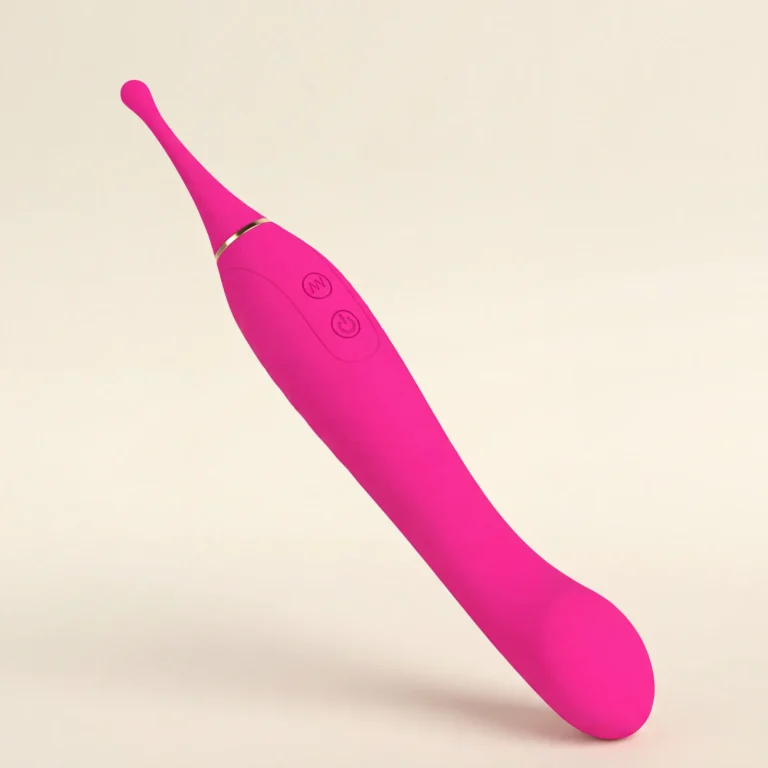
| Compact external vibrators | Small pieces for focused external contact | LUMI CANDY, LUMI Sex Lips, LUMI Hot Lips, LUMI Rose Pro 3 |
| Rose and flower-style vibrators | Sculptural, compact, or dual-form pieces with a softer visual presence | LUMI Rose Pro 3, LUMI Rose Pro 7, LUMI Twin Blossoms |
| G-spot and curved internal vibrators | Curved pieces made for internal fit, pressure, and placement | LUMI Soft Pulse, LUMI Cool Stick, LUMI KING-2, LUMI KING |
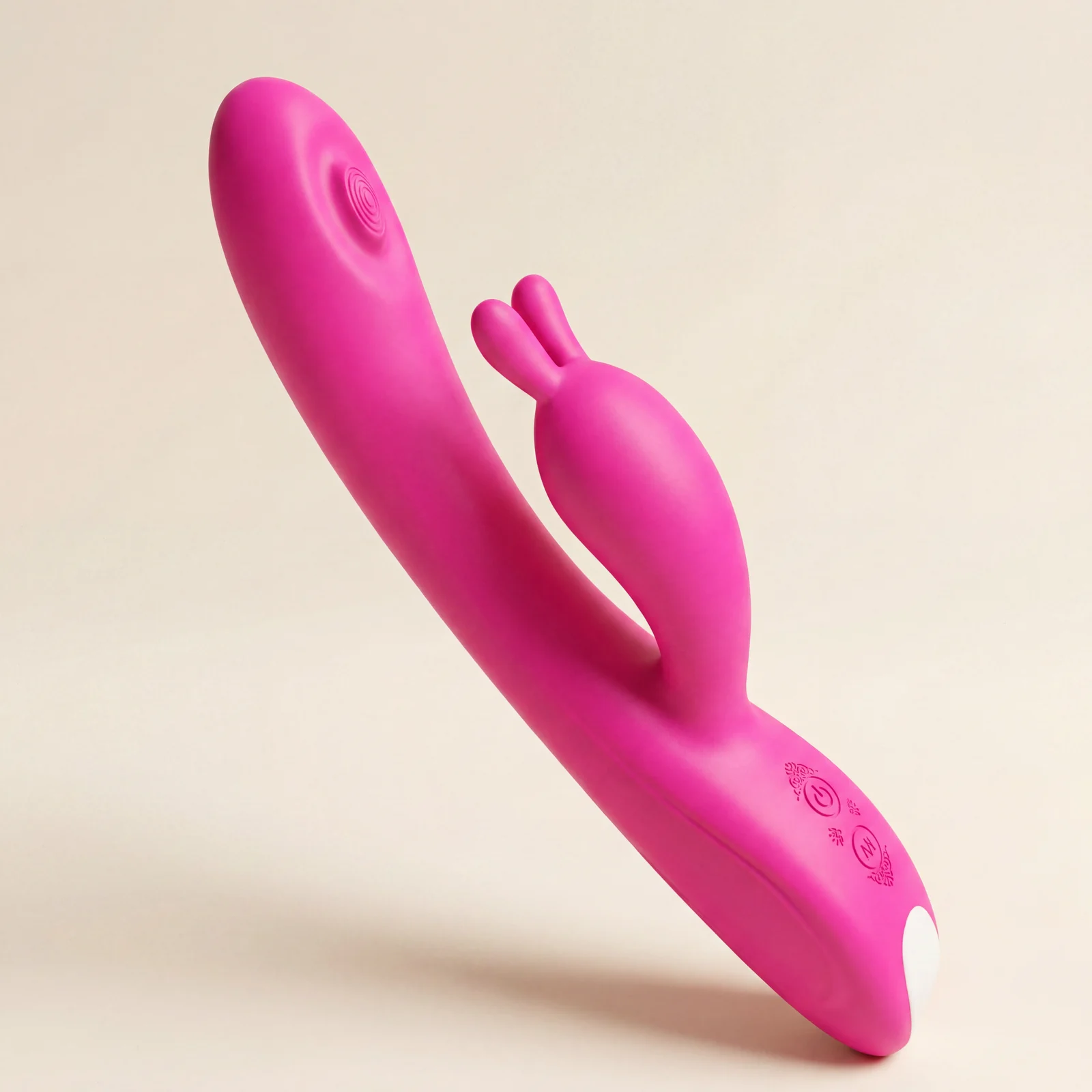
| Rabbit and dual-action vibrators | Designs that combine internal reach with a second contact point | LUMI Sandra, LUMI Sabrina, LUMI Rose Pro 7 |
| Wearable and hands-free vibrators | Low-profile shapes meant to stay closer to the body with less hand-holding | LUMI Heart, LUMI Popping |
| Remote-controlled vibrators | Pieces with separate control for easier adjustment or shared pacing | LUMI Adrian, LUMI Whirlwind Remote, LUMI RCT Ocean Wave |
| Anal vibrators | Products designed specifically for anal use, usually with an anchored base | LUMI Whirlwind Remote, LUMI RCT Ocean Wave |
| Pelvic wellness tools | Weighted or guided routine tools, not standard vibrators | LUMI Rose, LUMI Miracle, LUMI Secret Love |
1. Compact External Vibrators
Compact external vibrators are small, easy to place, and usually less visually demanding than larger internal pieces. They are often the simplest category to understand because the job is direct: focused contact, easy storage, and simple handling.
The main advantage is control. A smaller object can be easier to hold, easier to reposition, and easier to put away without turning the purchase into a whole event. For shoppers who do not want a large product, a broad wand shape, or a long internal form, this category is usually the cleanest starting point.
Lumisyla pieces to compare:
Focused tapping rhythm for shoppers who want precision rather than a broad vibration surface.
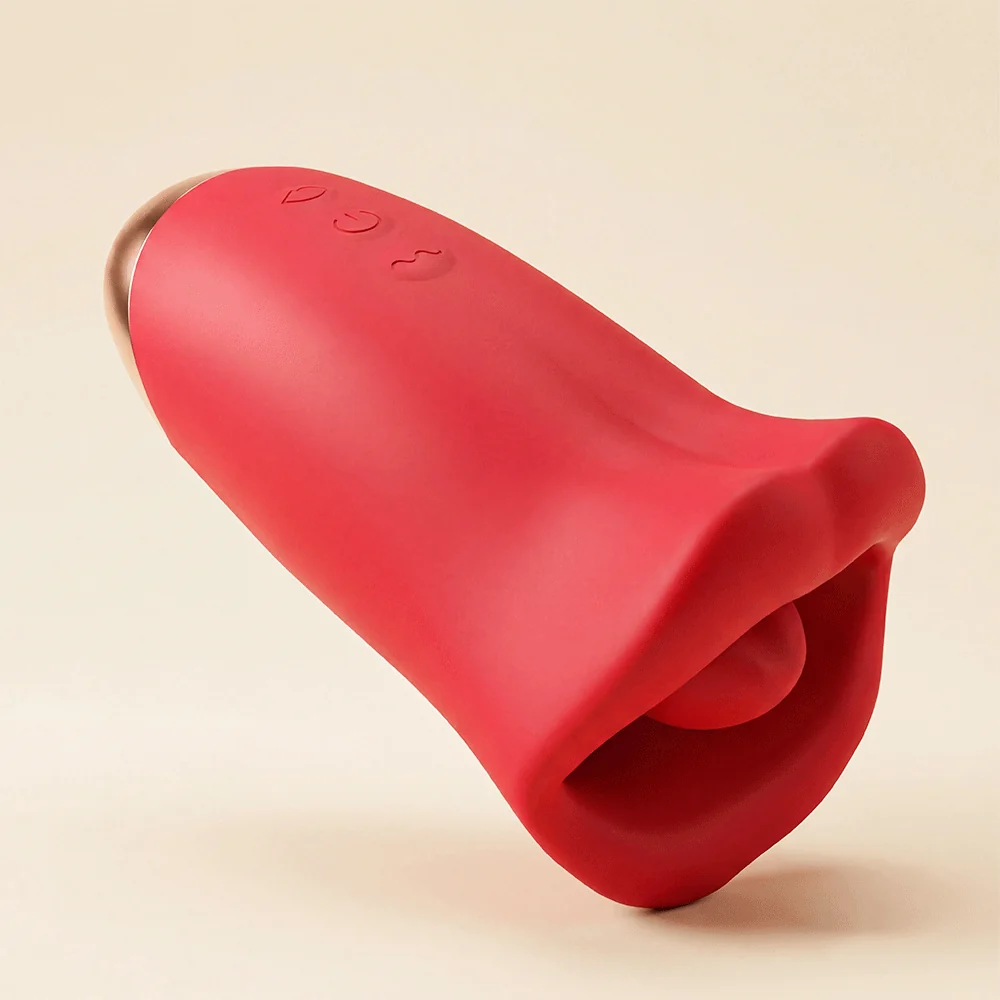
Palm-sized and pressure-led, with a close-contact shape and easy storage.
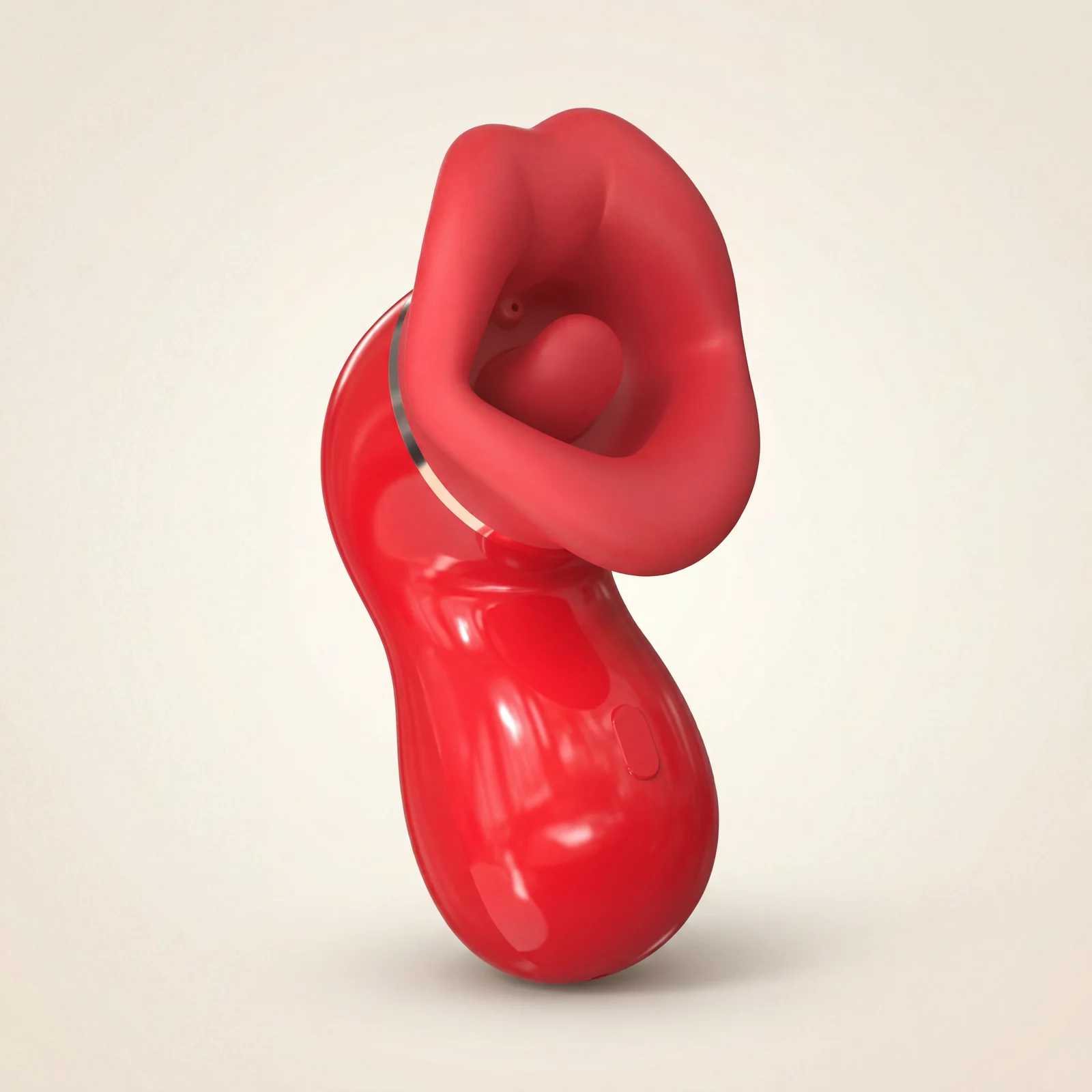
A small handheld piece framed around softness, warmth cue, and slower pacing.
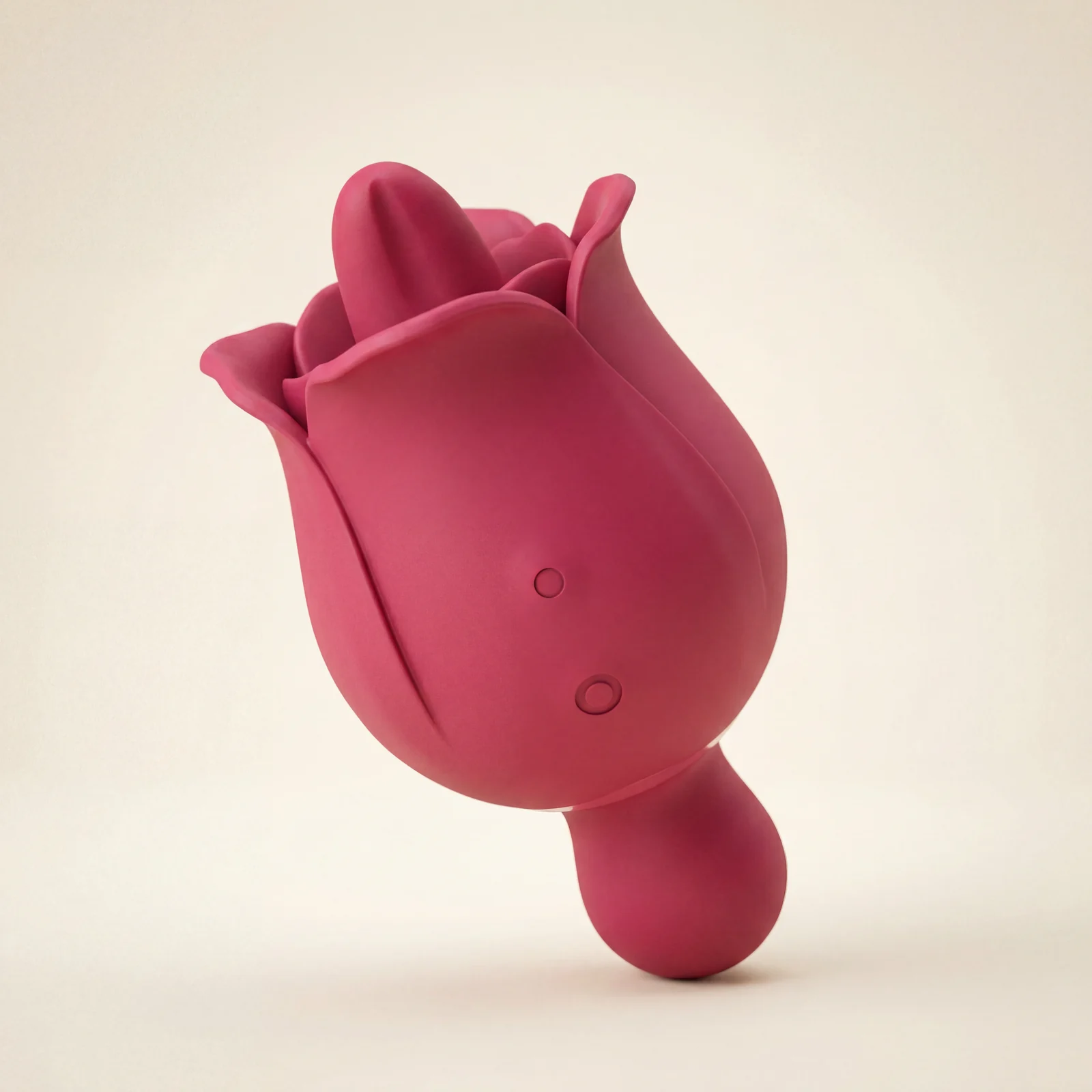
The smallest Rose Line piece for shoppers who want a compact rose-shaped form.
Who it may suit:
- Someone buying a first external piece.
- Someone who prefers focused placement over a large surface.
- Someone who wants a small object for quiet storage.
Who may prefer another type:
- Someone who wants internal reach.
- Someone who wants remote control.
- Someone who wants a fuller dual-action shape.
2. Rose and Flower-Style Vibrators
Rose and flower-style vibrators are popular because they feel less mechanical on the shelf. The shape matters: it changes how the product reads before it is ever used. For many shoppers, that softer presentation makes the first choice feel more approachable.
The category is broad. Some rose-style pieces are compact and focused. Some are larger and more layered. Some use a flower shape as part of a dual-ended design. The right question is not simply “Do I want a rose toy?” It is “Do I want the smallest rose form, the fullest rose form, or a piece with two contact styles?”
Lumisyla pieces to compare:
The compact Rose Line option and the easiest rose-shaped piece to store.
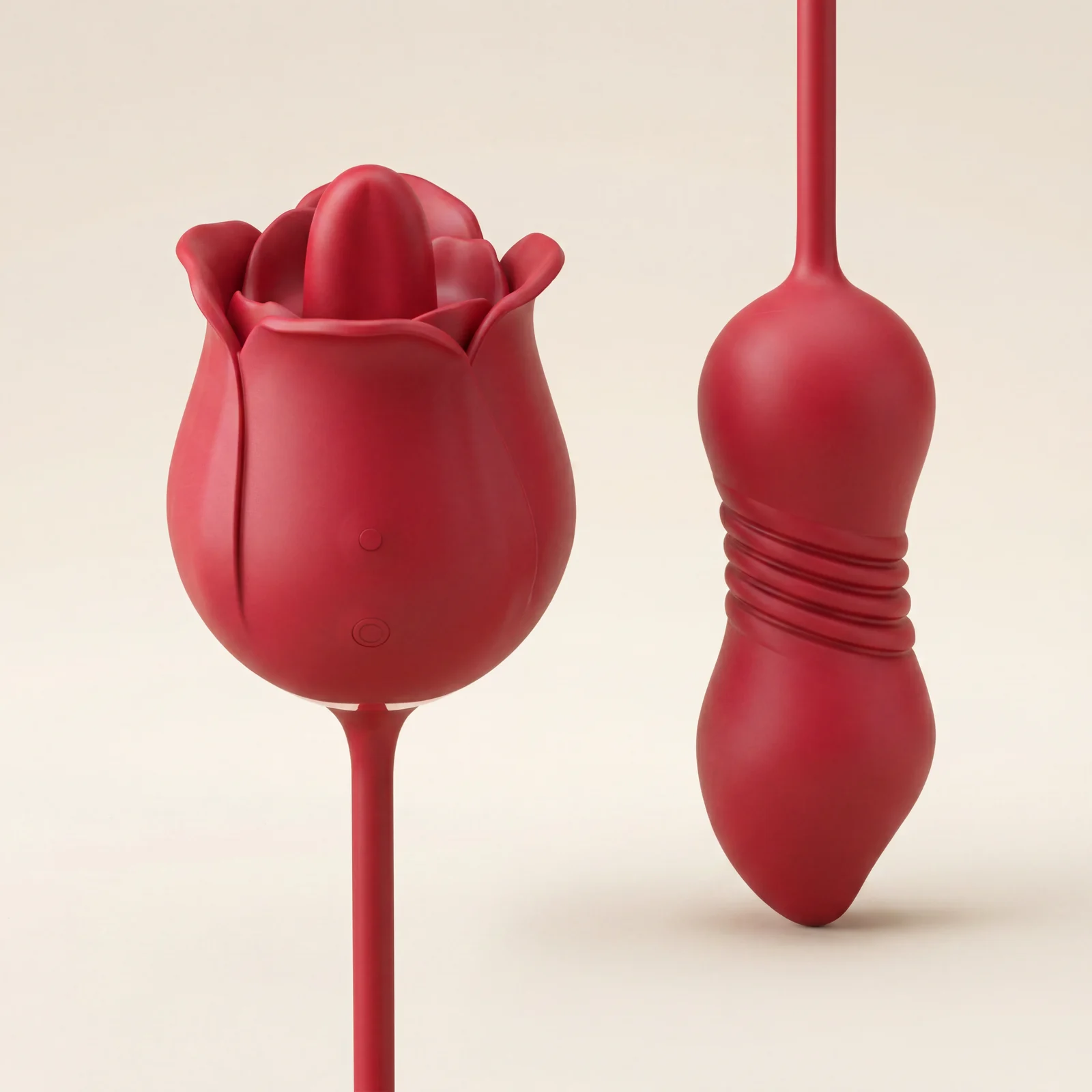
The fuller Rose Line piece for shoppers who already know they want more form and motion.
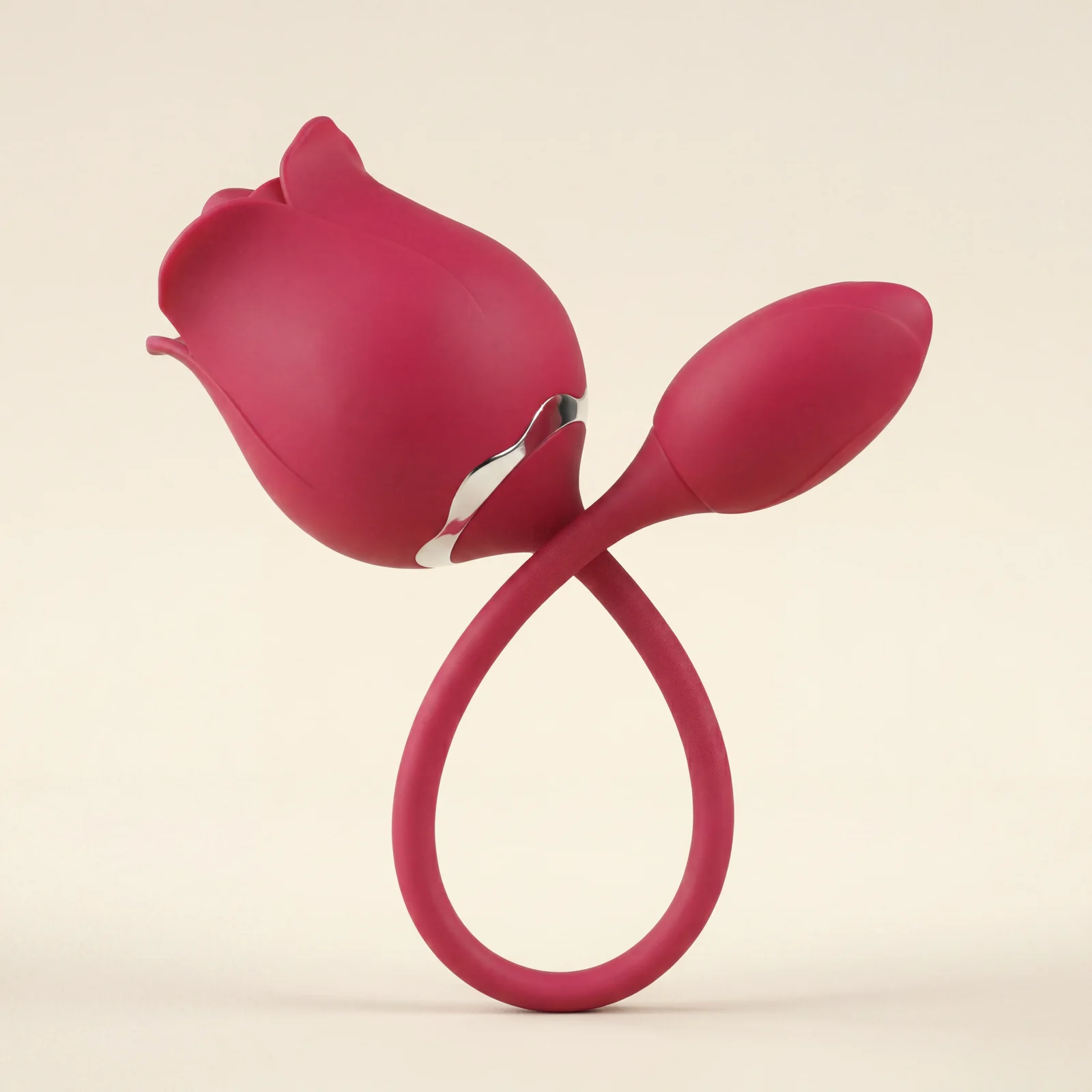
A two-ended, flower-shaped design for shoppers who want two contact styles in one softer-looking object.
Who it may suit:
- Someone who wants a piece that looks softer and less technical.
- Someone comparing compact versus fuller rose-shaped designs.
- Someone choosing a giftable object without loud packaging language.
Who may prefer another type:
- Someone who wants a classic handle.
- Someone who wants a remote-controlled piece.
- Someone who wants a pelvic routine tool rather than a vibrator.
3. G-Spot and Curved Internal Vibrators
G-spot and curved internal vibrators are shaped around fit and placement. The curve is the point. Instead of a straight form, these pieces are designed to create a more intentional internal angle and a slower, more controlled routine.
This category is useful when a shopper wants more than external contact but does not necessarily want a large dual-action product. Handle shape, curve, tip softness, and control path matter more than feature count.
Lumisyla pieces to compare:
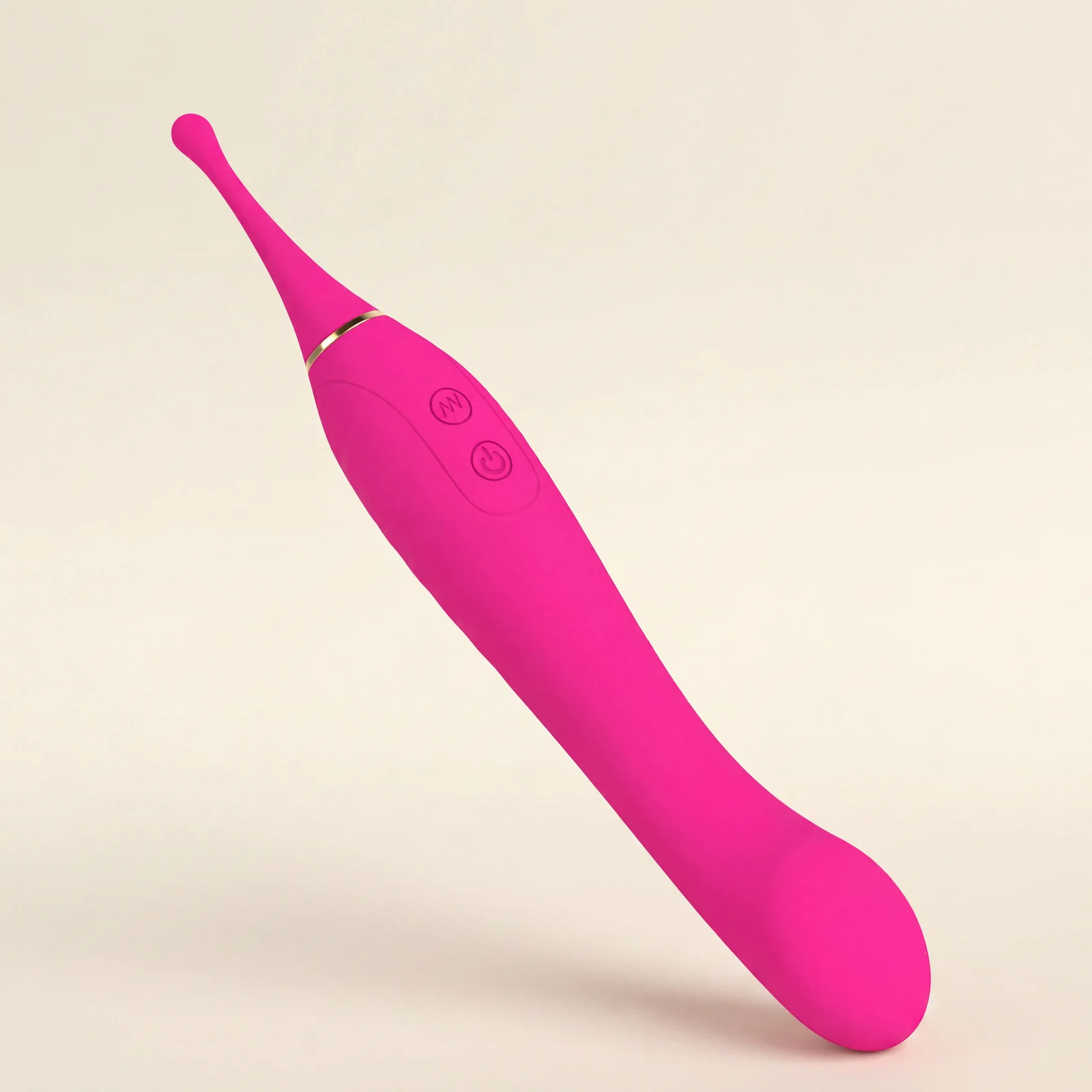
A beginner-aware internal option with one handle and two interchangeable tips.
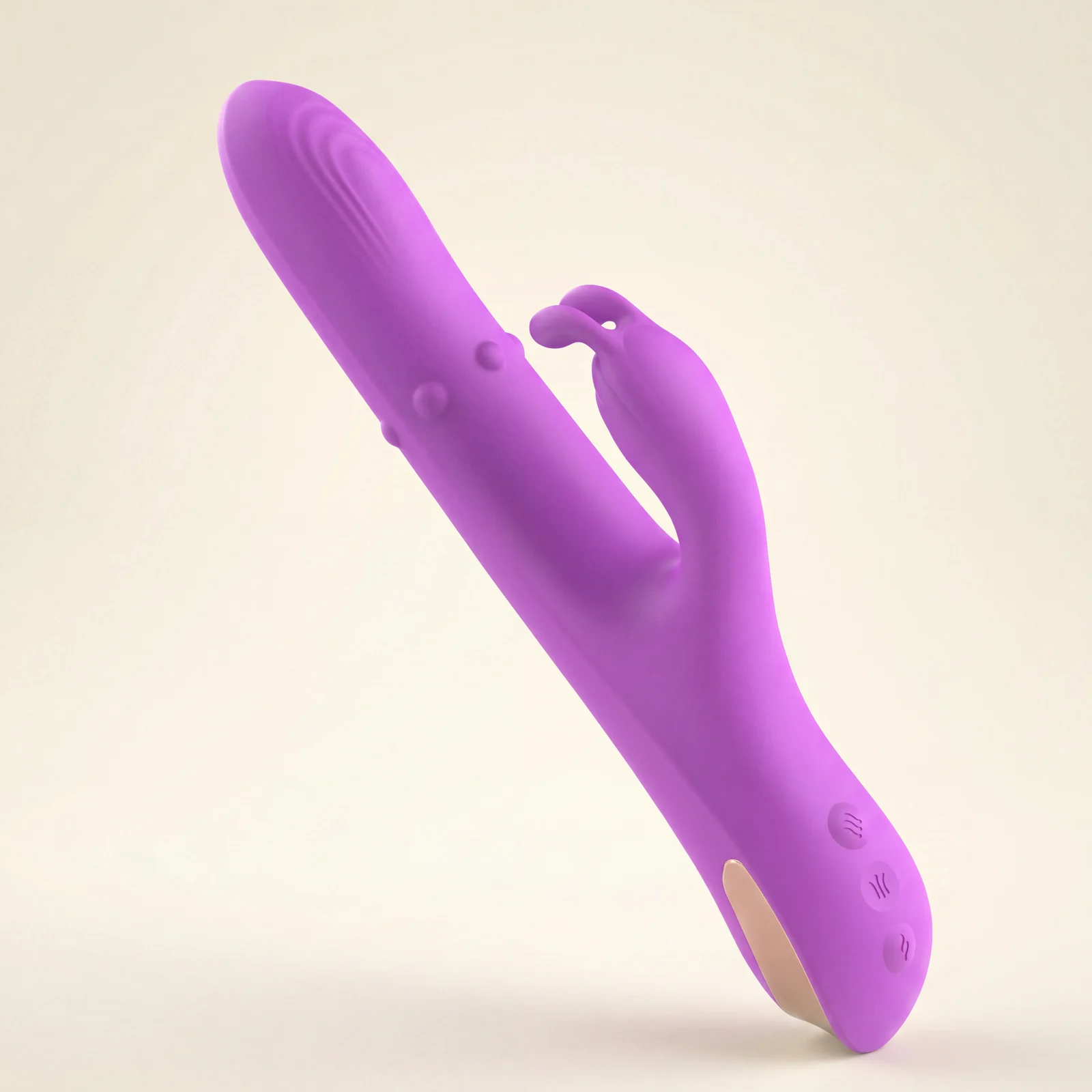
A straightforward curved internal piece with a soft tip, rotating beads, and one-hand control.
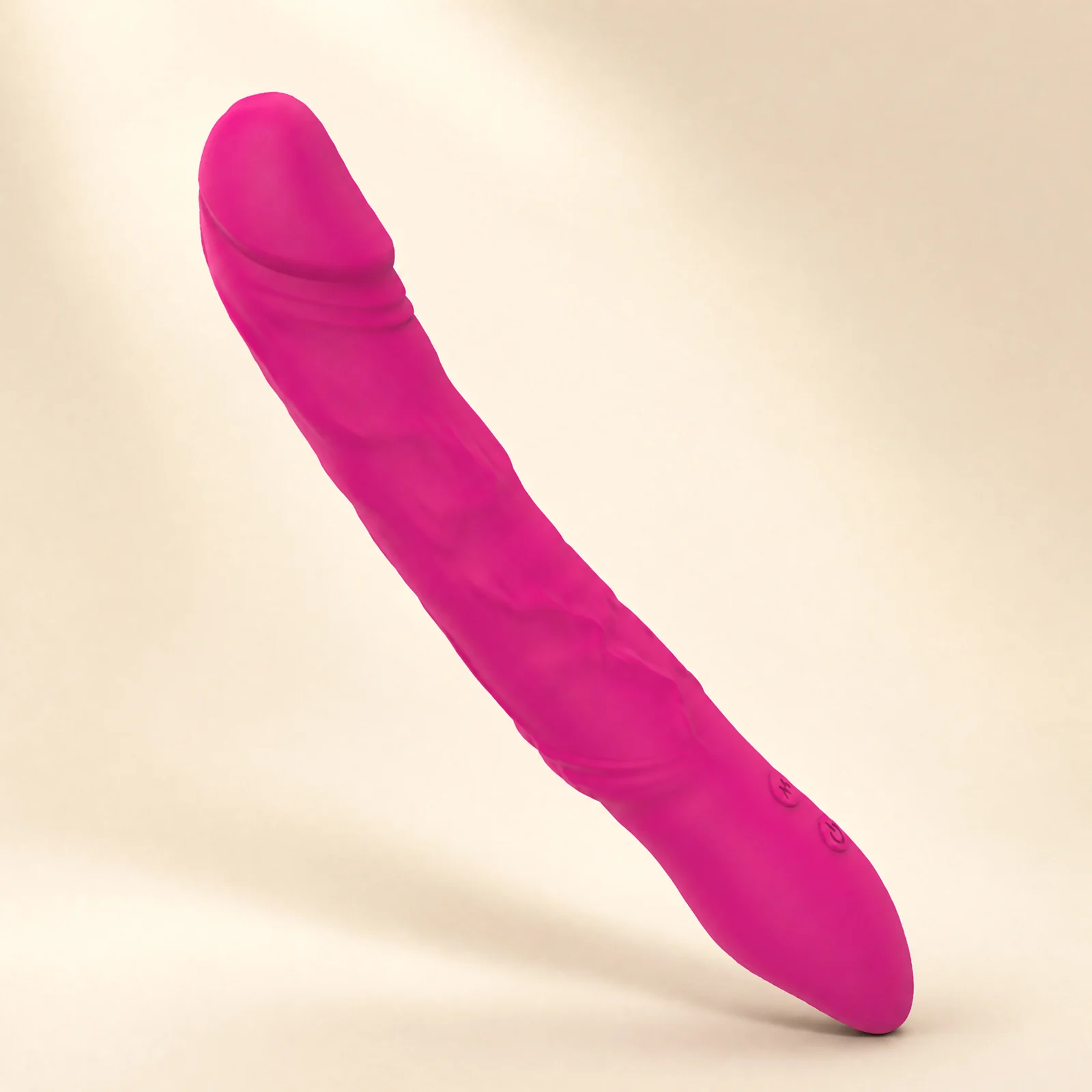
The slimmer internal core option for shoppers who want a lower-profile form than KING.
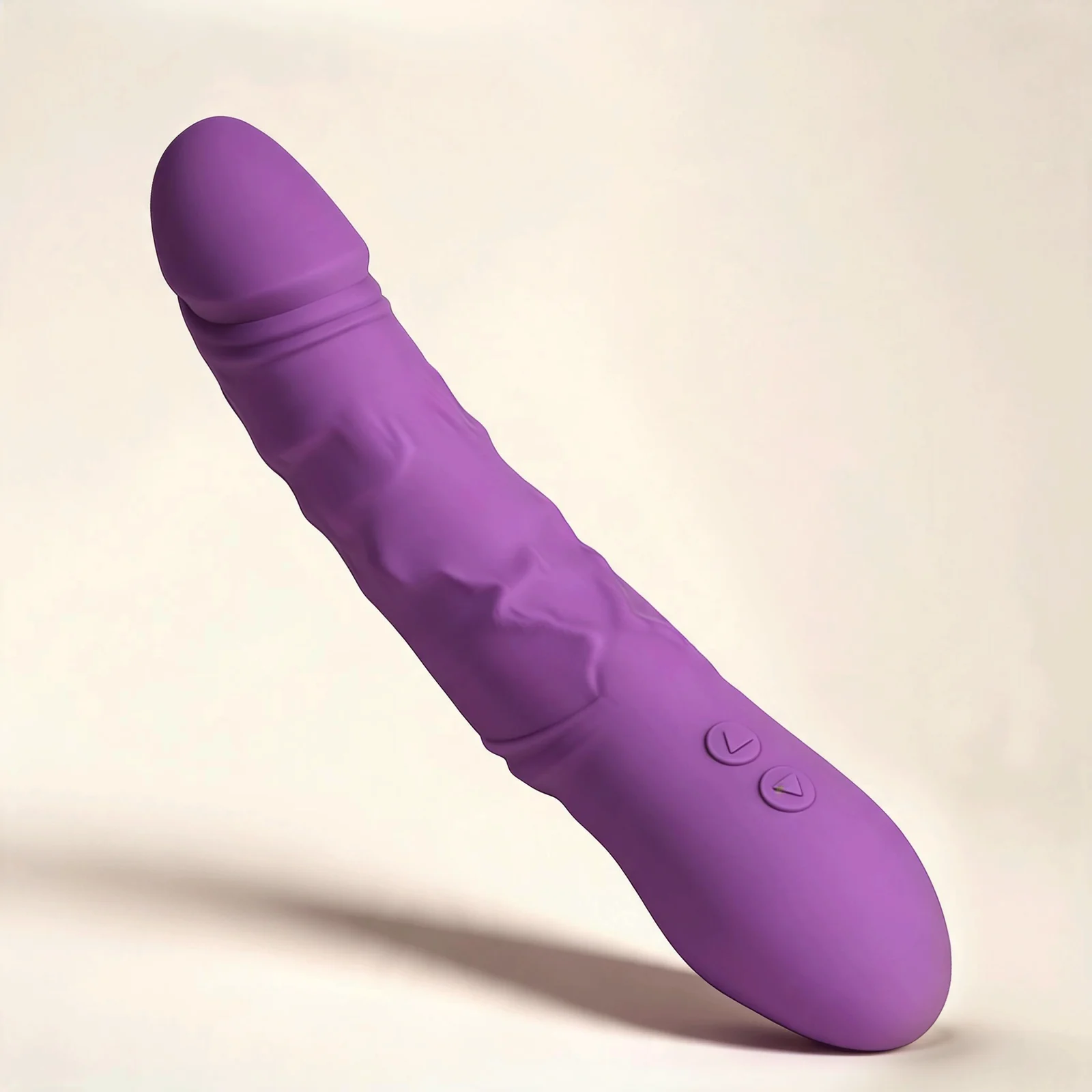
The fuller internal option for shoppers who want more physical presence and adjustable rotation.
Who it may suit:
- Someone who wants internal fit and a familiar handle.
- Someone comparing size, curve, and control style.
- Someone moving beyond compact external pieces.
Who may prefer another type:
- Someone buying the smallest possible first piece.
- Someone who wants hands-free wear.
- Someone who wants remote control from the beginning.
4. Rabbit and Dual-Action Vibrators
Rabbit and dual-action vibrators are built around two jobs in one product. One part is usually shaped for internal placement, while a second contact point sits outside the main shaft. The benefit is not just “more features.” It is a more layered design with less need to coordinate two separate products.
This category can be excellent for shoppers who already know they want a fuller form. It can also feel like too much for someone who wants the most minimal first choice. Fit matters here. Placement matters more than intensity.
Lumisyla pieces to compare:
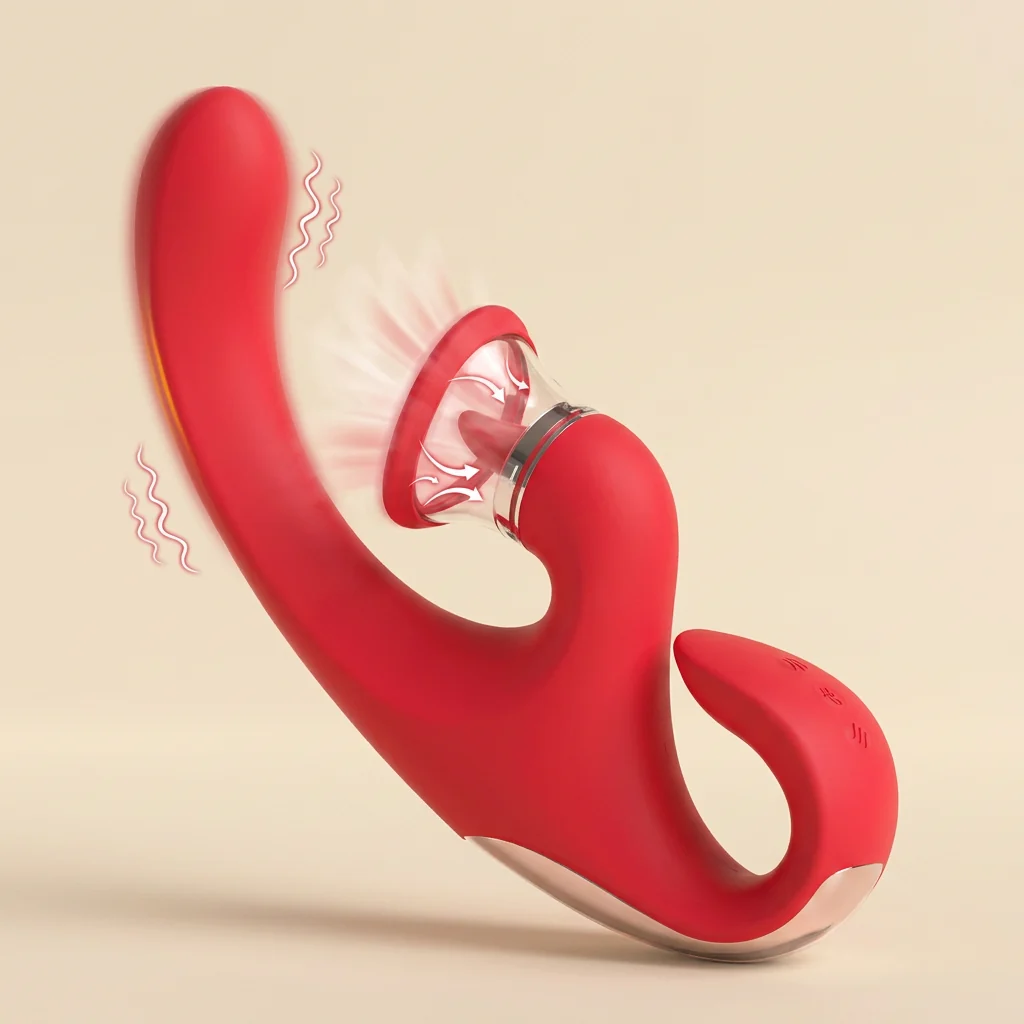
A premium internal-and-external style piece with a bendable form and deliberate rhythm profile.
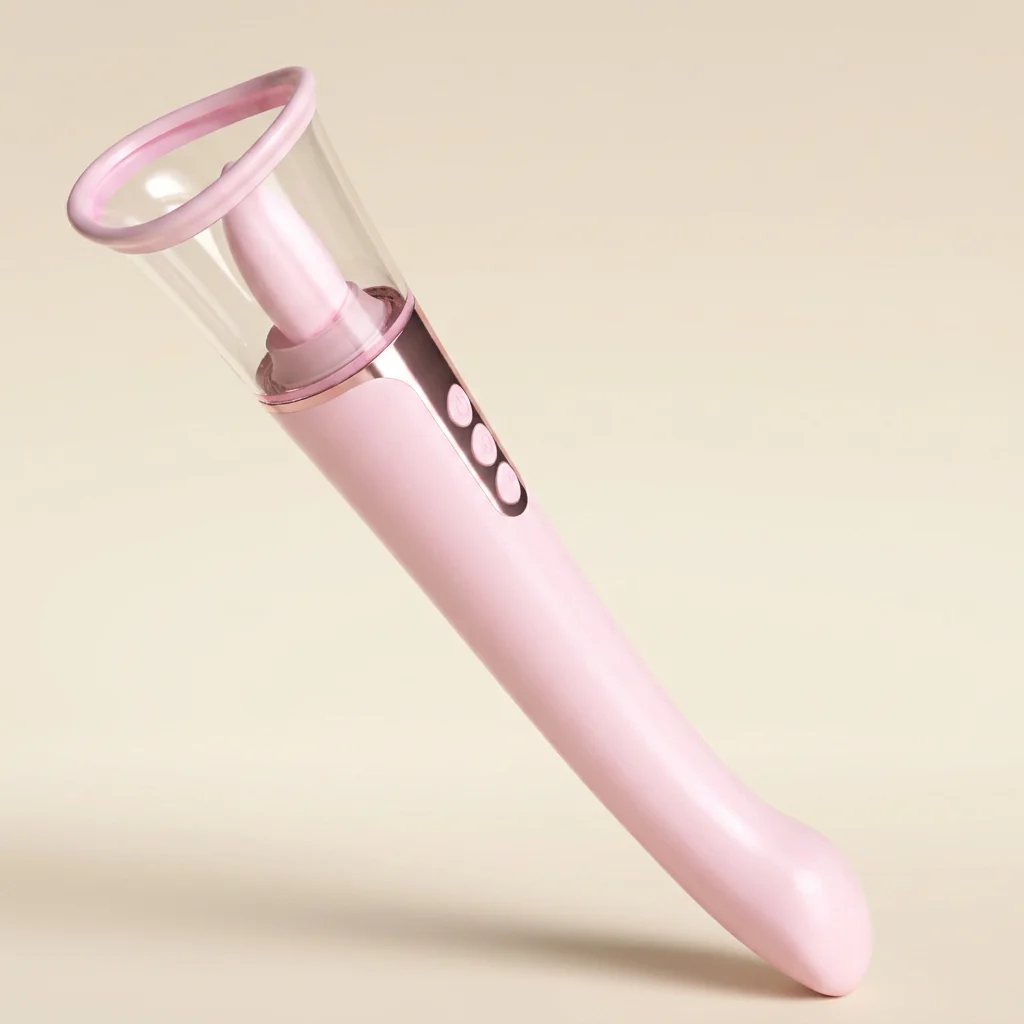
A layered dual-action option with multiple color choices and a more giftable presentation.
A fuller Rose Line product with dual motion and extended movement.
Who it may suit:
- Someone comfortable with a fuller product shape.
- Someone who wants internal fit plus a second contact point.
- Someone upgrading from a simpler first piece.
Who may prefer another type:
- Someone who wants the smallest travel piece.
- Someone who wants one-button simplicity.
- Someone who wants an external-only product.
5. Wearable and Hands-Free Vibrators
Wearable vibrators are designed to stay closer to the body with less hand-holding. Some are low-profile contact pieces. Some are flexible ring forms. The category overlaps with shared-use products because fit, comfort, and control tend to matter more than size.
Wearable does not mean one product works for every situation. It means the product is designed around placement and a lower-profile routine. A good wearable choice should feel comfortable before any mode or pattern becomes the focus.
Lumisyla pieces to compare:
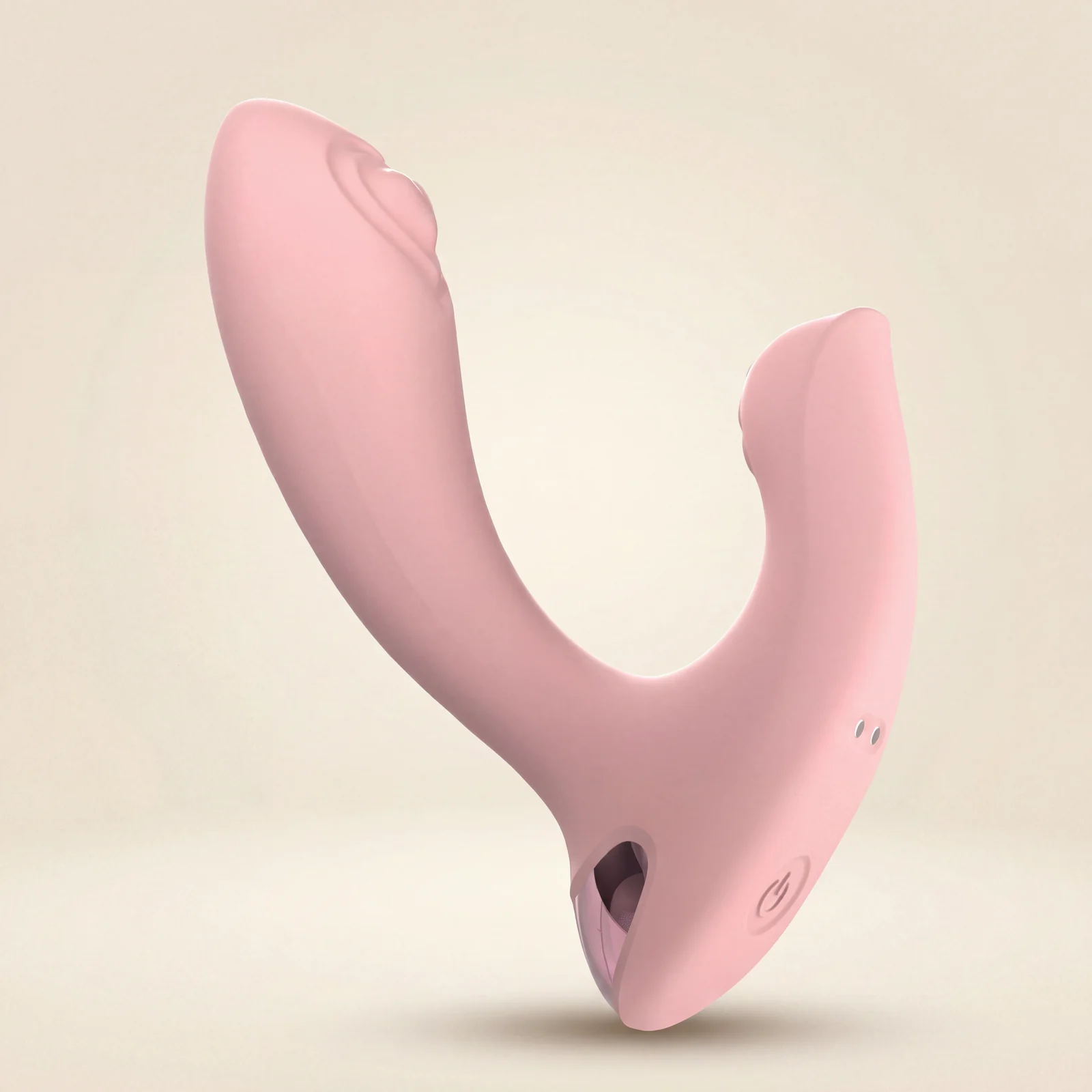
A low-profile wearable shape with a curved fit and quiet patterns.
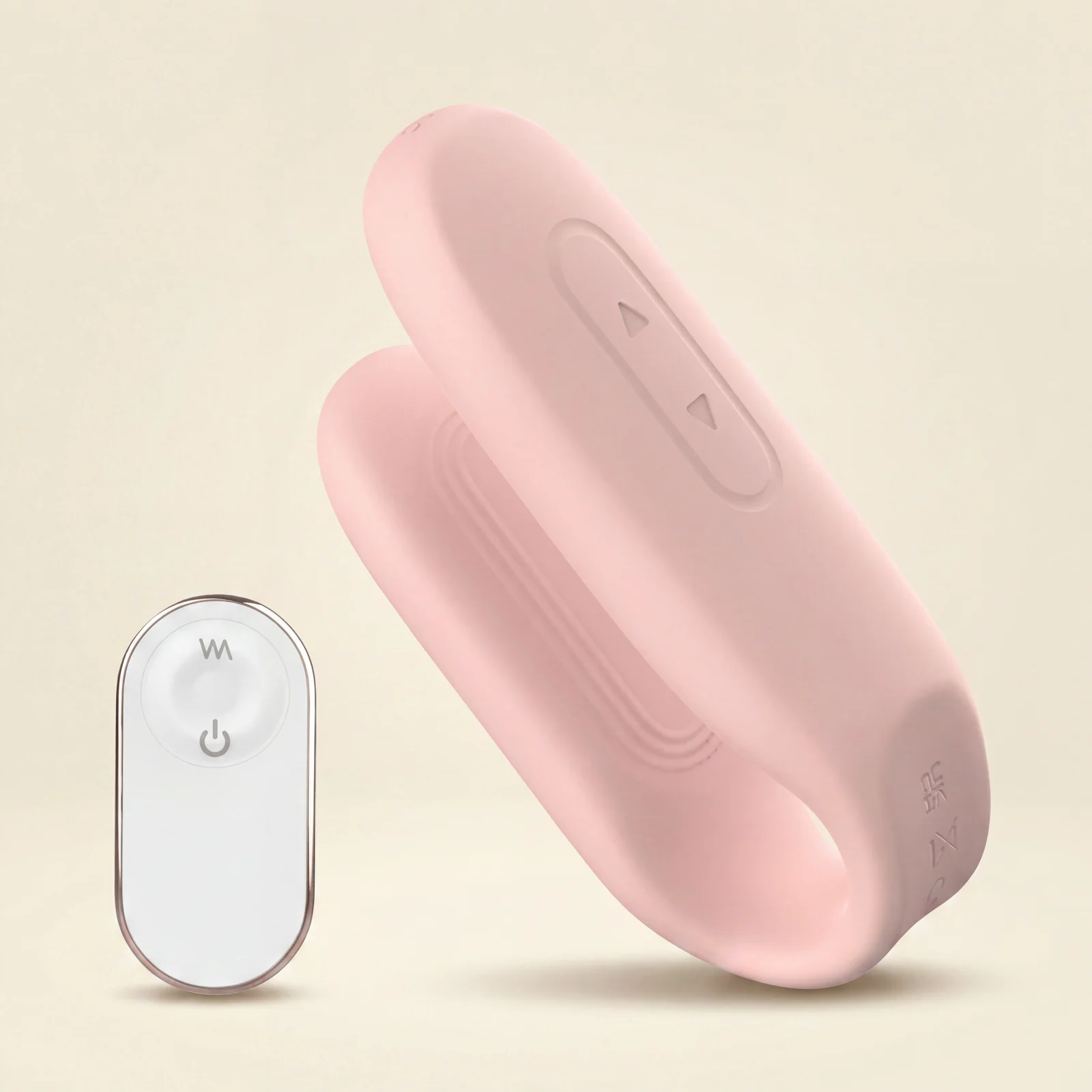
A flexible ring-form piece for adaptable solo or shared use.
Who it may suit:
- Someone who wants a smaller object with less hand-holding.
- Someone who values fit and placement over a large motor body.
- Someone who wants an option that can stay discreet in storage.
Who may prefer another type:
- Someone who wants internal reach.
- Someone who wants a rigid handle.
- Someone who wants a large surface area.
6. Remote-Controlled Vibrators
Remote-controlled vibrators are less about novelty and more about easier adjustment. A separate control can help when reaching for buttons would interrupt the pace, when a product is harder to access once placed, or when shared control is part of the routine.
Remote products vary widely. Some are advanced motion pieces. Some are internal pieces. Some are designed for anal use. The remote does not decide the category by itself; it changes how the product is controlled.
Lumisyla pieces to compare:
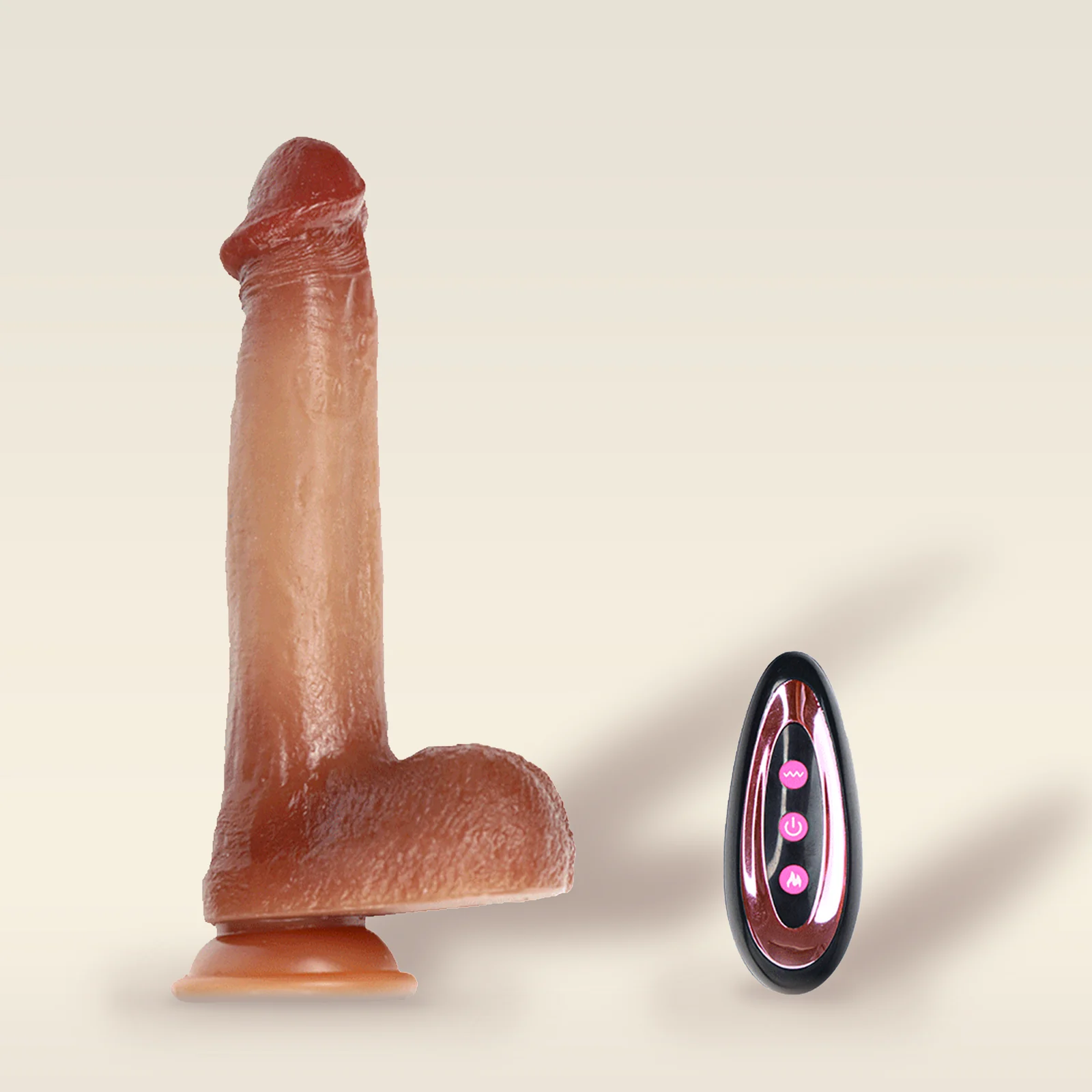
A sculpted, figure-like product with warming mode, layered movement, and remote control.
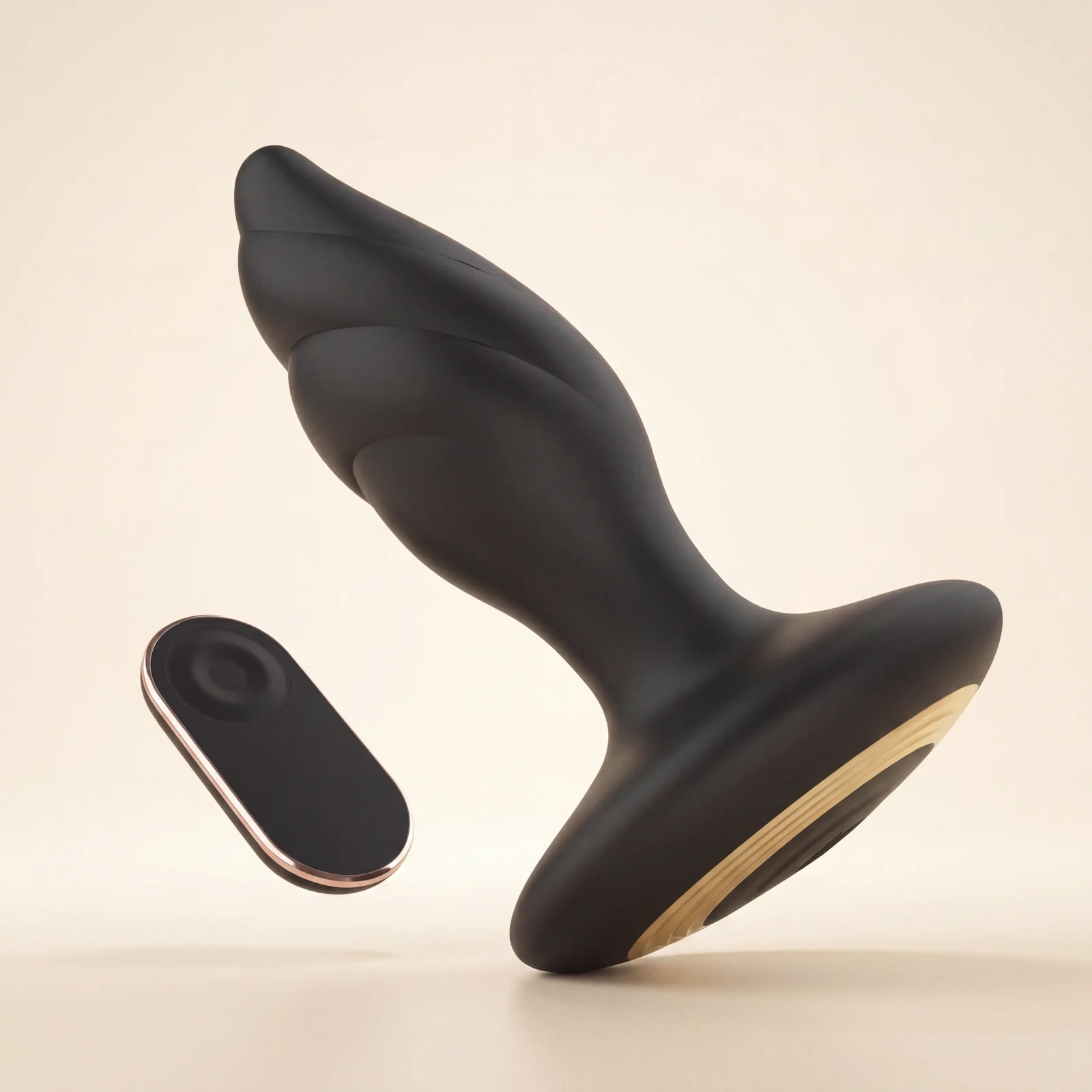
A textured internal remote-controlled piece currently tagged for anal / gender-neutral use.
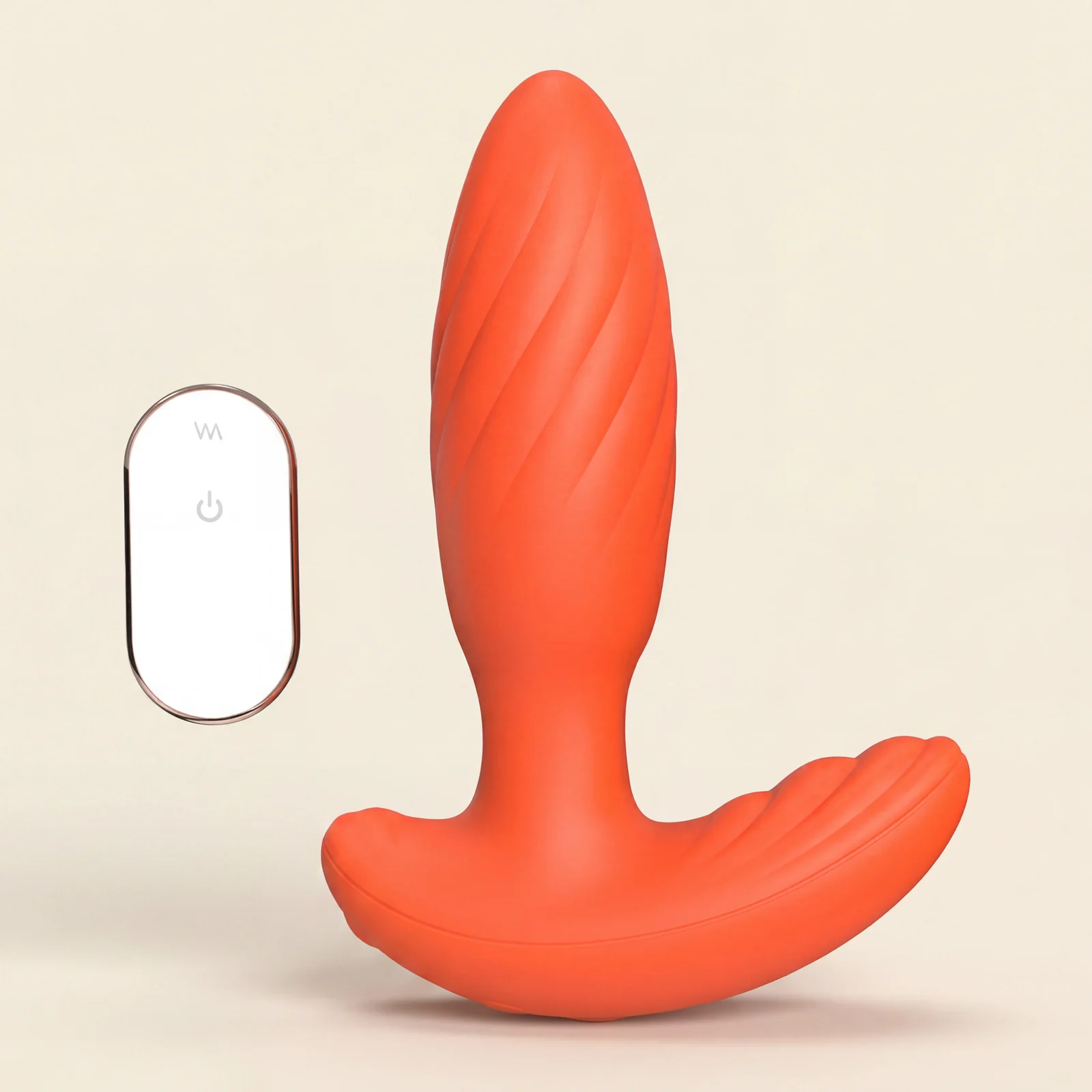
A remote-controlled internal product with rolling motion, also tagged for anal / gender-neutral use.
Who it may suit:
- Someone who wants easier adjustment.
- Someone who prefers slower sessions and more control options.
- Someone comparing solo and shared pacing.
Who may prefer another type:
- Someone who wants no setup.
- Someone who wants the simplest first purchase.
- Someone who wants a purely external compact piece.
7. Anal Vibrators
Anal vibrators are their own category and should be labeled honestly. They are not just standard internal vibrators used in a different way. The shape, base, taper, texture, and control path all matter because the product is designed for a different kind of fit and handling.
For this category, choose only products intended for anal use. Look for an anchored or flared-base design, start slowly, use water-based lubricant unless the product instructions say otherwise, and clean before and after use. Stop if anything feels uncomfortable. Comfort and control come before mode count.
Lumisyla pieces to compare:
The textured anal / gender-neutral remote option for shoppers who intentionally want tactile internal pacing.
The rolling-motion anal / gender-neutral remote option, with more presence than a first compact piece.
Who it may suit:
- Someone specifically looking for an anal vibrator or gender-neutral internal remote product.
- Someone who wants a product designed around a secure base and controlled pacing.
- Someone who already knows they want this category rather than a general curved internal vibrator.
Who may prefer another type:
- Someone buying their first compact external piece.
- Someone who wants a curved G-spot-style product.
- Someone who wants a pelvic wellness routine tool.
8. Pelvic Wellness Tools
Pelvic wellness tools are often placed near vibrators in a store, but they should not be confused with standard vibrators. They are routine tools, not fast-mode products. The focus is usually weight, progression, control, or guided practice.
This distinction matters for trust. A shopper looking for a vibrator may not want a weighted routine set. A shopper looking for a private pelvic routine may not want a pleasure-first massager. The product truth should stay clear.
Lumisyla pieces to compare:
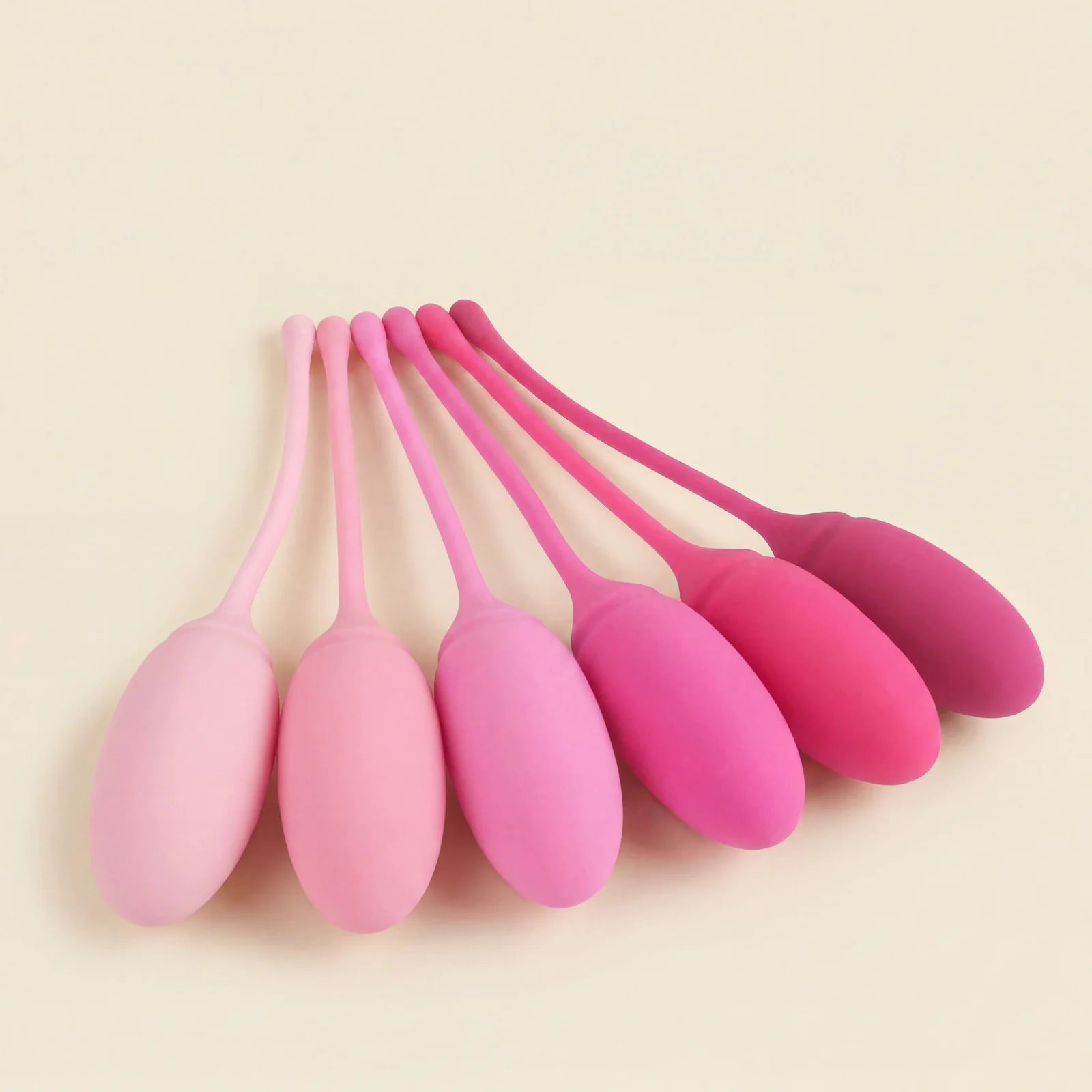
A six-piece graduated weight set for a quiet private routine.
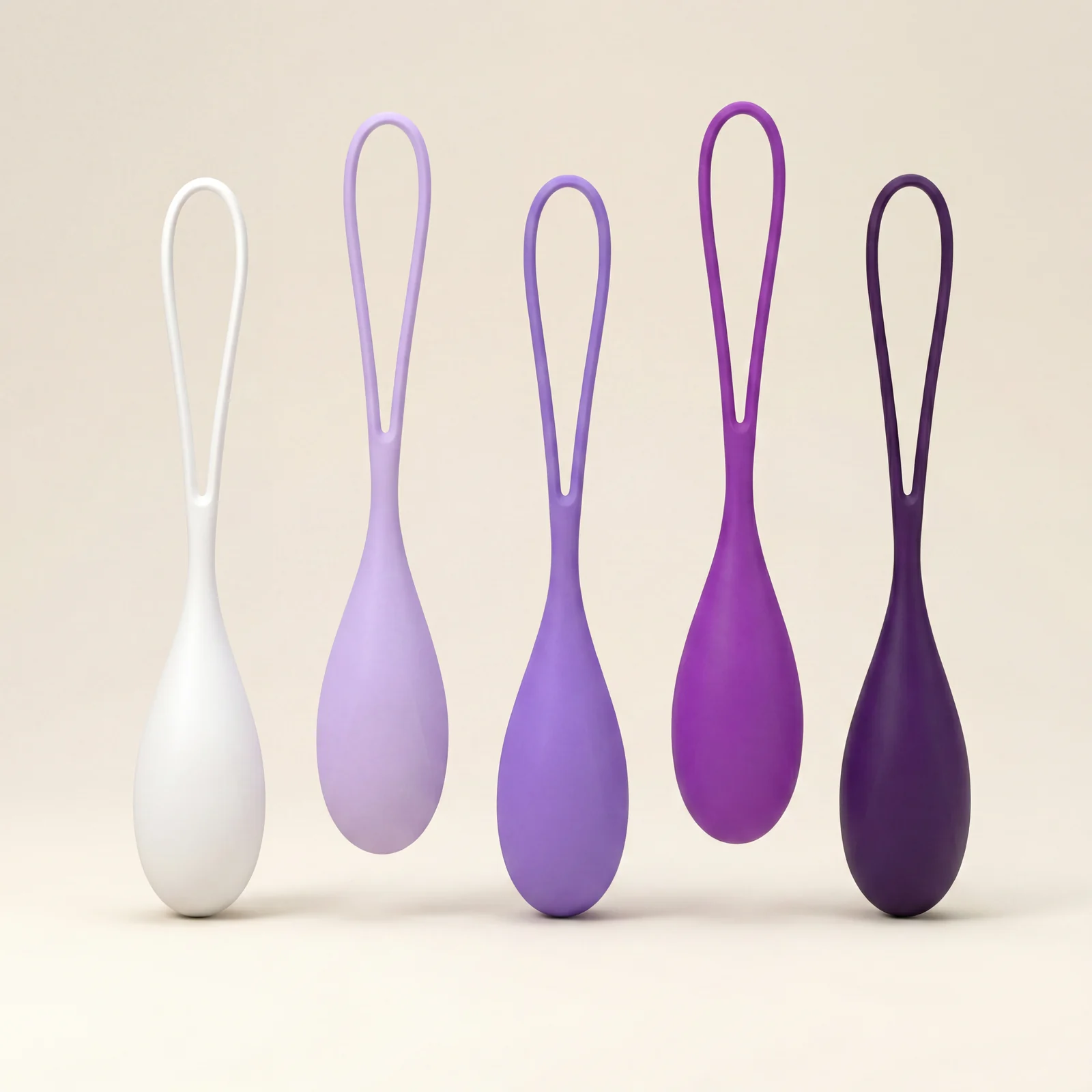
A five-piece graduated weight set with color cues and a compact case.
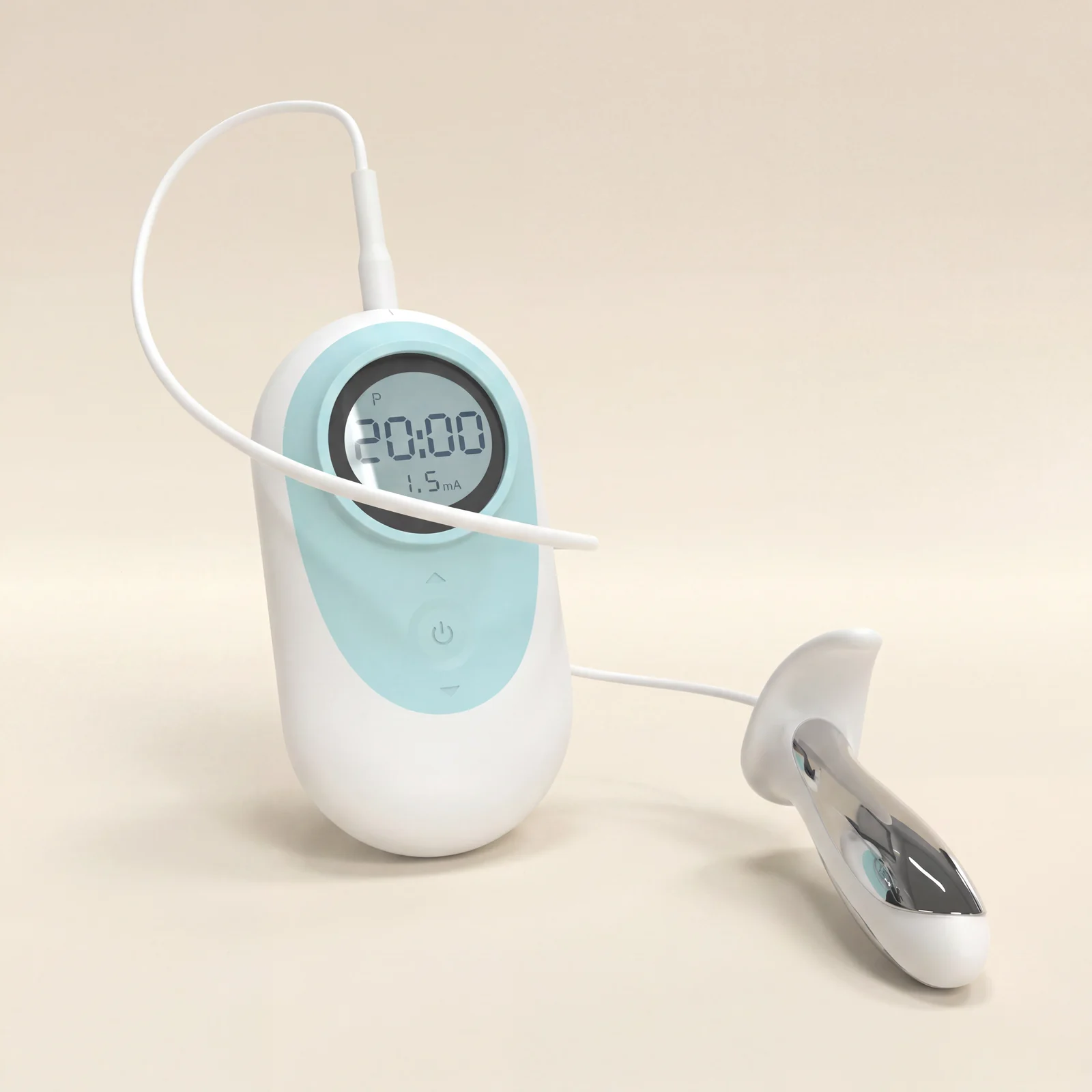
A compact adult wellness trainer with a small display and adjustable intensity.
Who it may suit:
- Someone who wants a structured private routine.
- Someone comparing weighted sets and guided tools.
- Someone who wants storage, cleaning, and progression to be easy to understand.
Who may prefer another type:
- Someone looking for a powered vibrator.
- Someone looking for external contact.
- Someone looking for remote control or dual-action motion.
9. How to Choose Your First Vibrator
Start with shape before features.
If the product looks too large, too complex, or too hard to explain to yourself, it is probably not the right first choice. A first product should be easy to understand before it is powerful. It should have a clear use case, a comfortable scale, and a care routine you are willing to follow.
A simple way to choose:
- If you want the least intimidating start, compare compact external pieces like LUMI CANDY, LUMI Sex Lips, or LUMI Rose Pro 3.
- If you want internal fit but still want a softer first choice, compare LUMI Soft Pulse and LUMI KING-2.
- If you already know you want layered internal-and-external contact, compare LUMI Sandra and LUMI Sabrina.
- If you want remote control, compare LUMI Adrian, LUMI Whirlwind Remote, and LUMI RCT Ocean Wave by intended use first.
- If you want anal use, choose only products designed for that category, such as LUMI Whirlwind Remote or LUMI RCT Ocean Wave.
- If you want a pelvic routine tool, compare LUMI Rose, LUMI Miracle, and LUMI Secret Love separately from vibrators.
The best first choice is not the loudest product on the page. It is the one whose shape, size, control, and care routine you can actually live with.
FAQ
What is the best type of vibrator for beginners?
For many shoppers, the easiest starting point is a compact external vibrator or a beginner-aware internal piece. LUMI CANDY, LUMI Rose Pro 3, and LUMI Soft Pulse are easier to understand than larger dual-action or remote-controlled products.
What is the difference between external and internal vibrators?
External vibrators are designed for outside contact and easy repositioning. Internal vibrators are shaped for fit, angle, and placement. Some products combine both in one dual-action design.
What is a rabbit vibrator?
A rabbit-style vibrator usually combines an internal shaft with a second external contact point. In Lumisyla’s line, LUMI Sandra and LUMI Sabrina are the clearest dual-action comparisons.
What is a rose vibrator?
A rose vibrator is usually a rose-shaped or flower-inspired design with a softer visual presence. Some are compact and focused, like LUMI Rose Pro 3. Others are fuller and more layered, like LUMI Rose Pro 7.
Are anal vibrators different from regular vibrators?
Yes. Anal vibrators should be designed for anal use, usually with an anchored or flared-base shape and a control path that makes pacing easier. LUMI Whirlwind Remote and LUMI RCT Ocean Wave are Lumisyla’s current anal / gender-neutral remote options.
Are pelvic wellness tools vibrators?
Not usually. LUMI Rose, LUMI Miracle, and LUMI Secret Love belong in pelvic wellness rather than the main vibrator-type list. They are routine tools, not standard vibrator choices.
How should intimate wellness products be cleaned?
Clean before and after use with mild soap and warm water unless the product instructions say otherwise. Let the surface dry completely before storage. Use only water-based lubricant with silicone pieces unless the product instructions say otherwise.
Which Lumisyla product should I compare first?
For a first compact choice, compare LUMI CANDY and LUMI Rose Pro 3. For a softer internal first choice, compare LUMI Soft Pulse. For a fuller upgrade, compare LUMI Sandra or LUMI Rose Pro 7. For anal / gender-neutral remote use, compare LUMI Whirlwind Remote and LUMI RCT Ocean Wave.
Final Note
Lumisyla products are adult intimate wellness products for adults 21+. They are personal massage products, personal wellness accessories, and novelty items. They are not medical devices and are not intended to diagnose, treat, cure, or prevent any condition. Always read the product page and instructions before use, and choose by comfort, fit, and routine rather than pressure to buy the most advanced-looking product.